As an Amazon Associate, we earn from qualifying purchases. Some links on this site are affiliate links at no extra cost to you. Our recommendations are based on thorough research and editorial judgment.


How to Choose Between Day and Night Creams

Choose day creams containing SPF 15 or higher, Vitamin C, antioxidants, and lightweight hydrators like hyaluronic acid for daytime UV protection and skin brightness. Select night creams with retinol (0.3% to 1%), peptides, and rich moisturizers for collagen production and deep nourishment during sleep. Match product textures and ingredients to individual skin types, avoiding allergens such as parabens for sensitive skin. Follow expert advice to balance protection and repair—further guidance clarifies application timing and ingredient benefits.
Key Takeaways
- Choose day creams with SPF 15+ and antioxidants for UV protection and environmental defense during daytime.
- Select night creams rich in retinol and hyaluronic acid to promote skin repair and deep hydration while you sleep.
- Match creams to your skin type: lightweight and hydrating for oily or combination skin, richer for dry or normal skin.
- Avoid irritants like parabens and fragrance, especially if you have sensitive skin, opting for hypoallergenic formulations.
- Use day creams with brightening ingredients like Vitamin C and night creams with peptides for collagen and firmness improvement.
Understanding the Purpose of Day Creams

You may be interested


A day cream serves a critical function in a skincare regimen by offering protection and hydration tailored for daytime conditions. Day creams must include SPF 15 or higher to shield skin from UV rays and minimize damage from environmental aggressors such as pollution. Experts mandate selecting products with a lightweight texture for ease in layering under makeup and sustained comfort throughout daily activities. Incorporate formulations containing Vitamin C and antioxidants, as these ingredients provide nourishing benefits, enhance skin brightness, and combat free radicals. Regular use promotes a healthy complexion by maintaining hydration levels essential for skin elasticity and resilience. Dermatologists emphasize starting anti-aging regimens with day creams in the mid to late 20s to delay visible signs of aging, making these products foundational for long-term skin health and protection during daylight hours. Additionally, choosing day creams with a non-greasy texture ensures quick absorption and seamless makeup application throughout the day.
Key Benefits of Night Creams

While day creams focus on protection and hydration suitable for active hours, night creams must provide deeper nourishment to support skin regeneration during sleep. Experts recommend applying a night cream with rejuvenating formulations rich in active ingredients like Retinol and Hyaluronic Acid to boost collagen production and enhance skin repair. Night creams typically offer thicker textures, promoting superior hydration and moisture retention, demonstrated to increase skin hydration by up to 223% after one use. Additionally, formulations containing Winter Daphne Stem Cell Extract strengthen skin barrier function, protecting against external aggressors and preventing moisture loss. For best results, apply night cream evenly post-cleansing to guarantee maximum absorption during the skin’s natural regeneration cycle. Neglecting this step may reduce efficacy and delay visible improvement in skin texture and resilience. Incorporating products with hydrolyzed collagen can further enhance skin firmness and elasticity during the night.
Essential Ingredients in Day Creams

Day creams must incorporate specific active ingredients to protect and hydrate skin effectively during daylight exposure. Experts recommend that day creams contain SPF 15 or higher to shield against harmful UV rays and prevent sun damage. Inclusion of Vitamin C enhances collagen production, promoting skin firmness and a radiant complexion. Antioxidants such as Vitamin E defend against environmental aggressors and free radicals, reducing premature aging signs. Formulations should be lightweight to allow comfortable wear beneath makeup without greasiness. Key hydrating components like Hyaluronic Acid and glycerin are essential for locking in moisture and keeping skin supple and hydrated throughout the day. Dermatologists advise selecting day creams that balance these ingredients precisely to guarantee peak protection, hydration, and long-term skin health during daily exposure. Additionally, using oils with high antioxidant potency, such as those containing 5,000-14,000 IU Vitamin E, can significantly enhance skin rejuvenation and repair.
Recommended Products

Our Unblemish Regimen offers a comprehensive 4-step skin care routine to combat adult acne. Includes acne wash, clarifying toner, dual intensive acne treatment, and invisible matte defense SPF 30.

Dual-Use Illuminating Formula: Expertly designed to visibly lift and even skin tone in both face and eye areas with immediate glowing results.

The serum is formulated with BIOEFFECT’s signature EGF, a skin-rejuvenating, moisture-binding growth factor. Clinical studies conducted by BIOEFFECT show that the new EGF Day Serum increases hydration, improves skin density and visibly reduces the appearance of fine lines and wrinkles.
Vital Components in Night Creams
Night creams must contain a precise combination of potent ingredients that maximize skin repair during sleep, enhancing hydration, cell renewal, and antioxidant protection. Include hyaluronic acid to guarantee moisture retention by attracting water molecules, maintaining skin plumpness overnight. Promote cell turnover and collagen production with retinol derivatives to reduce visible signs of aging; dermatologists recommend concentrations between 0.3% and 1% for nightly use. Niacinamide strengthens skin barrier function and reduces redness, improving tone and texture effectively. Incorporate antioxidants like Vitamin E to neutralize free radicals generated during daytime environmental exposure. Peptides stimulate skin repair mechanisms, accelerating healing and boosting firmness. Experts advise applying night cream to clean, dry skin to enhance absorption and efficacy while minimizing irritation. Select formulations with balanced ingredient ratios to support ideal overnight recovery without overwhelming sensitive skin. For sustained benefits, consistent use over extended periods is essential to promote long-term skin conditioning.
Recommended Products


5-PIECE SKINCARE SET: A complete day and night skin care set for hydration, treatment, cleansing and exfoliation. Includes Hydration Cream, Firming Serum, Overnight Repair, Gentle Cleanser and Micro Exfoliant+. Designed for all skin types including dry skin.

ADVANCED ANTI-AGING FORMULA: Combines hyaluronic acid, niacinamide, and 300 peptides for clinically significant results in as early as two weeks.
Choosing Creams Based on Your Skin Type
Skin type fundamentally determines the selection of appropriate creams, as formulations must address distinct physiological needs for ideal effectiveness. Dry skin requires a night cream rich in hydrating ingredients like hyaluronic acid and retinol to aid skin recovery, paired with a lightweight day cream containing ceramides and vitamin E that function as a moisturizer and provide protection. Oily skin benefits from non-comedogenic day creams with glycerin for hydration and night creams including resveratrol and niacinamide to regulate oil. Combination skin needs balanced, lightweight day creams and reparative, rich-textured night creams. Sensitive skin demands fragrance-free day creams with soothing ceramides and gentle night creams with vitamin E to minimize irritation. Normal skin type suits hydrating day creams with SPF and night formulas rich in peptides for texture improvement and repair. Select creams based on ingredient profiles matching individual skin types to optimize hydration, repair, and protection. For sensitive skin, choosing products that are fragrance-free and hypoallergenic can notably reduce redness and irritation.
Recommended Products

epicuren DISCOVERY Colostrum Luminous Glow Cream, Moisturizer for Healthy Looking Skin, Citrus, 8 oz
Moisturizing Benefits: Helps moisturize to promote healthy looking skin


CLINICALLY PROVEN REDNESS RESCUE CREAM: This is the first retinol clinically validated to reduce redness, a breakthrough for sensitive skin types long excluded from traditional retinol formulations. Experience instant ageless results without irritation
How to Incorporate Day and Night Creams Into Your Routine
Selecting creams tailored to individual skin types is only the initial step; proper application and timing determine their efficacy. Begin mornings by applying a day cream immediately after cleansing and serum use. Experts recommend choosing formulations that are lightweight and include SPF to enhance sun protection while hydrating and protecting your skin from environmental aggressors. At night, cleanse thoroughly before applying a night cream, formulated for intense nourishment and designed to help repair your skin during sleep. Dermatologists advise using richer textures containing retinol or hyaluronic acid to boost collagen production and moisture retention. Consistency is essential; applying day cream every morning and night cream nightly supports long-term skin health. Follow this regimen to leverage the distinct benefits of creams, aligning with the skin’s natural cycles for ideal skin care results. Additionally, incorporating moisturizers with SPF 30+ in your day routine is crucial to prevent sun damage and maintain skin vitality.
Recommended Products

【Expertly Engineered Sun Protection】 Experience unparalleled defense with 185GSM high-density fabric that filters 95% of ultraviolet rays. Meticulous details—from reinforced lock-stitching to corrosion-resistant D-rings—ensure enduring performance and elegance.

SPF MOISTURIZER - Inspired by 40 years of research, this moisturizer—infused with SPF 30—contains a luxurious anti-aging formula with a hydrating yet lightweight texture, defending against UV rays & external aggressors for smooth, plump skin.

Trust a scientifically advanced regimen to lift away the years and target advanced signs of aging including deep wrinkles and sagging skin.
Avoiding Common Ingredients for Sensitive and Acne-Prone Skin
Effective management of sensitive and acne-prone skin requires meticulous avoidance of specific ingredients that may provoke irritation or worsen breakouts. Experts emphasize avoiding heavy oils, waxes, and petrolatum, which clog pores and aggravate acne. Fragrances and perfumes are common irritants for sensitive skin; these should be excluded to prevent allergic reactions. Retinoic acid, stronger than retinol, often causes inflammation and irritation, especially in sensitive or acne-prone skin types. Additionally, methylparabens and parabens act as common allergens and may clog pores, warranting avoidance. While salicylic acid helps some, it can increase sensitivity and irritation in delicate skin. Dermatologists recommend selecting non-comedogenic, fragrance-free formulations, emphasizing gentle ingredients that do not disrupt the skin barrier or provoke inflammation in sensitive skin or acne-prone individuals. Consistent use of hypoallergenic products can significantly reduce redness and itching associated with sensitive skin.
Recommended Products

𝗔𝗗𝗩𝗔𝗡𝗖𝗘𝗗 𝗦𝗛𝗜𝗘𝗟𝗗𝗜𝗡𝗚 𝗙𝗢𝗥𝗠𝗨𝗟𝗔: Skin MD Shielding Lotion is specially formulated for sensitive skin. This body lotion helps relieve irritation associated with dry skin, eczema, and psoriasis. The unique formula helps protect the skin while ensuring it remains hydrated and comfortable.
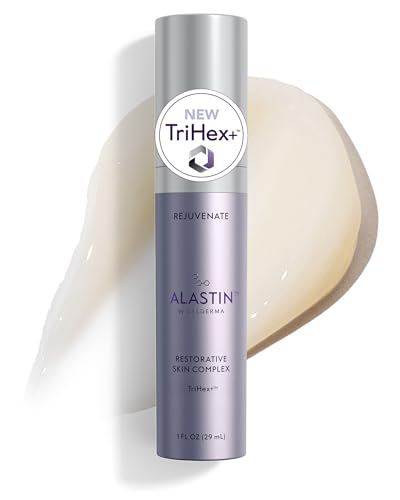
Powerful Peptide Serum helps visibly improve the appearance of collagen- and elastin-depleted skin with newly advanced technology. Targeting skin texture, tone, volume, hydration and elasticity.

REBALANCING CLEANSER: Our rosehip oil and geranium-infused cleanser gently dissolves excess oil, lifts impurities, and helps maintain skin’s natural balance while soothing redness and irritation.
Frequently Asked Questions
Is There Really a Difference Between Day and Night Cream?
Like dawn meeting dusk, day cream ingredients focus on UV protection factors and skin hydration differences, while night cream benefits include anti-aging properties and skin barrier repair. Formulation variations reflect product absorption rates and essential oils usage for skin type considerations.
Is It Okay to Wear Night Cream During the Day?
Wearing night cream during the day may disrupt routine simplification and moisturizer layering by omitting sun protection and day cream benefits. While nourishing night cream ingredients aid hydration, skin types with sun sensitivity require dedicated products for vitamin absorption and skin concerns. Budget considerations favor appropriate creams.
Which Is More Important, Day Cream or Night Cream?
Night cream advantages increase skin hydration and moisture retention by up to 223%, essential for overnight repair. However, day cream benefits like UV protection and aging effects defense, combined with skin type considerations and application times, make both equally important.
Do I Really Need an AM and PM Moisturizer?
Different moisturizer ingredients and formulation differences act according to skin types, hydration levels, and sun exposure needs. Using both AM and PM creams enhances skin benefits, supports product layering, adapts seasonal skincare, and fits personal routines and application techniques.


