As an Amazon Associate, we earn from qualifying purchases. Some links on this site are affiliate links at no extra cost to you. Our recommendations are based on thorough research and editorial judgment.


Understanding Chemical Peels: Types and Intensity Levels

Chemical peels use controlled concentrations of agents like glycolic acid, salicylic acid, and trichloroacetic acid (TCA) to exfoliate skin at varying depths. Superficial peels target the outermost layer with mild acids for minimal downtime, medium peels penetrate deeper requiring 3-7 days recovery, and deep peels remove multiple layers demanding extensive healing. Experts advise professional assessment to select appropriate intensity based on skin type and conditions, emphasizing strict aftercare to minimize risks. Further details reveal ideal frequency, benefits, and precautions.
Key Takeaways
- Chemical peels vary by depth: superficial (mild exfoliation), medium (target wrinkles/scars), and deep (extensive skin layer removal).
- Superficial peels use alpha-hydroxy acids for gentle exfoliation with minimal recovery time.
- Medium peels utilize trichloroacetic acid (TCA) to treat moderate skin concerns with 3-7 days’ recovery.
- Deep peels require general anesthesia, affect multiple skin layers, and need 2-3 weeks of recovery.
- Treatment intensity is customized by professionals based on skin type and specific concerns for safety and effectiveness.
What Are Chemical Peels?

You may be interested


Chemical peels are controlled skin resurfacing treatments that apply a chemical solution to exfoliate damaged outer layers and address various conditions such as fine lines, acne scars, and uneven pigmentation. These procedures improve skin concerns by accelerating cell turnover, stimulating the production of new skin cells, and enhancing overall texture. Employ active ingredients like glycolic acid, a common alpha-hydroxy acid, to dissolve dead skin cells efficiently. Licensed professionals recommend chemical peels to precisely target problem areas and adjust intensity accordingly. Chemical peels vary from superficial, treating minor discolorations and dullness, to medium and deep peels addressing more pronounced wrinkles and scars. Proper selection and professional application guarantee benefits while minimizing risks. Adherence to post-care instructions is imperative to optimize recovery and skin outcomes. Many chemical peels also support deep hydration, which promotes rejuvenated and healthier skin over time.
Different Levels of Chemical Peels

A thorough understanding of chemical peel intensities is essential for selecting the appropriate treatment based on specific skin concerns and desired recovery times. Chemical peels are categorized into four levels, each addressing varying depths of skin issues. Superficial peels use alpha-hydroxy acid (AHA) like glycolic acid to treat mild concerns with minimal recovery. Medium peels employ trichloroacetic acid (TCA) to penetrate deeper, effectively targeting fine lines and hyperpigmentation, requiring 3-7 days of recovery time. Deep chemical peels remove several layers of skin to address severe damage but necessitate general anesthesia and a recovery period of 2-3 weeks. Make decisions grounded in skin type and tolerance, as superficial peels suit dull complexions, while medium and deep peels demand careful expert evaluation before application. For ongoing skin improvements beyond peels, topical treatments like Adapalene gel are recommended to manage acne and improve skin texture.
Recommended Products

WHAT CONCENTRATION/STRENGTH? A 30% AHA chemical peel for face with Glycolic Acid that reveals a fresher looking complexion. Retinol supports a more even-looking skin tone and texture. Green Tea soothes skin's appearance for a refreshed look.

The Ordinary AHA 30% + BHA 2% Peeling Solution, Advanced Exfoliating Peel for Brighter Skin, 1 Fl Oz
ADVANCED EXFOLIATION: AHA 30% + BHA 2% Peeling Solution deeply exfoliates to reveal brighter, smoother skin.

Helps remove surface buildup and dead skin cells
Benefits of Chemical Peels for Your Skin

The benefits of chemical peels extend beyond surface exfoliation to include precise improvements in skin integrity through controlled acid application. Chemical peels effectively enhance skin texture by removing dead skin cells and promoting cell regeneration. Experts recommend superficial peels, containing mild acids like glycolic acid, for immediate gains in skin clarity and reduced hyperpigmentation. Medium peels penetrate deeper, stimulating collagen production to firm skin and improve elasticity, yielding rejuvenated skin over time. Additionally, chemical peels address acne scars by smoothing the skin’s surface, delivering a more uniform complexion. Dermatologists instruct patients to select peel types based on skin condition severity and desired outcomes. Overall, consistent use of appropriately chosen chemical peels guarantees measurable benefits including improved skin texture, diminished hyperpigmentation, enhanced collagen production, and visibly rejuvenated skin. For severe cases, combining chemical peels with professional treatments such as laser therapy or microneedling can further enhance scar healing and skin rejuvenation.
Chemical Peels Best Suited for Acne and Scars
Multiple types of acid peels target acne and scars with varying degrees of intensity and recovery time duration. Salicylic acid peels effectively treat active acne and mild scars by penetrating oil and unclogging pores during the exfoliation process. TCA peels, recommended for stubborn acne scars and hyperpigmentation, penetrate deeper, stimulating skin regeneration to improve skin texture. Experts advise customized peels tailored to individual skin types and conditions, combining acids for maximum results. Consistent treatments—superficial chemical peels every 2-4 weeks and deeper peels spaced by months—yield significant improvements. To prevent adverse effects, avoid chemical peels during active acne flare-ups without professional guidance. Medical professionals emphasize selecting the appropriate peel intensity based on scar severity and skin sensitivity, ensuring controlled exfoliation and regeneration while minimizing downtime and complications. It is also important to follow a patch testing protocol before using stronger acid peels to minimize irritation risks.
Recommended Products

Formulated with tea tree oil, green tea extract, cucumber, and chamomile to support a balanced-looking complexion while helping reduce the appearance of excess oil.

Pure Original Ingredients Salicylic Acid 20% Solution (30 mL)
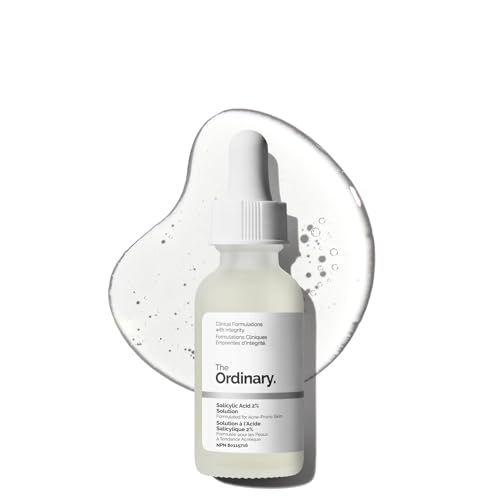
TARGETS ACNE & CONGESTION: Salicylic Acid 2% Solution treats acne by exfoliating the skin surface and penetrating pores to control blemishes.
Pain and Sensation During Chemical Peel Treatments
How much discomfort should patients expect during chemical peel treatments varies with peel depth and acid concentration. Superficial peels typically cause a mild tingling sensation during application, producing minimal discomfort afterward. Medium peels generate a stinging or burning feeling, which remains tolerable and dissipates quickly. Deep peels produce more intense sensations, requiring anesthesia or numbing agents to manage increased discomfort. Providers must adjust peel strength to guarantee a personalized experience aligning with patient tolerance levels. While some discomfort is inevitable, reports indicate most patients do not find chemical peels painful and prioritize treatment for skin benefits. Experts advise explaining sensations clearly and reassuring patients to optimize compliance. Monitor patient feedback closely during treatment, and apply anesthesia promptly for deep peels to maintain safety and comfort throughout the procedure. Consistent application and understanding individual skin type considerations are essential to ensure both effective results and patient comfort during treatment.
Recommended Frequency for Various Chemical Peel Types
Regular scheduling of chemical peel treatments is vital to maximizing skin rejuvenation and maintaining long-term results. Experts recommend a superficial chemical peel every 2-4 weeks to maintain skin texture and tone gently. Medium peels, which penetrate deeper, should be performed every 3-6 months, allowing skin sufficient recovery time. Deep peels, due to their intensity and prolonged healing periods, are typically done only once in a lifetime. The frequency of each peel type depends on individual skin types and specific skin concerns; as a result, consultation with a skincare professional is important before treatment. Consistent adherence to these intervals guarantees best skin rejuvenation. Dermatologists emphasize, “Adapting the schedule to each patient’s skin response and goals is vital for safety and effectiveness,” reinforcing the importance of personalized care. Additionally, following proper skin cleansing routines such as double cleansing can enhance peel effectiveness and improve overall skin clarity.
Essential Aftercare Tips Following a Chemical Peel
Following the recommended intervals for chemical peels, attention must shift to appropriate post-treatment care to guarantee ideal healing and results. Experts emphasize avoiding sun exposure entirely and applying broad-spectrum SPF 30 or higher every morning to protect healing skin from ultraviolet damage. Maintain hydration using gentle, fragrance-free moisturizers applied two to three times daily, reducing dryness and supporting skin recovery. Patients must avoid picking or peeling flaking skin, as this risks scarring and disrupts natural regeneration. During the initial week, refrain from retinol, exfoliants, and harsh cleansers to minimize irritation. Additionally, avoid hot showers and saunas to prevent discomfort. This aftercare regimen guarantees best healing and reduces complications. Dr. Smith, a dermatologist, states, “Strict adherence to these steps greatly improves outcomes after chemical peels.” Using antioxidant serums with fast absorption rates during the healing phase can also support skin repair and protect against oxidative stress.
Recommended Products

50 TOTAL CARDS printed premium front and back on a 2x3.5” inch Business Card!

50 TOTAL premium printed cards, front and back, 2 x 3.5" inches business card on 14 pt matte card stock!

Balanced Skin Vitality: Experience the synergy of nature and science with QRxLabs Chemical Peel Neutralizer Spray, expertly formulated to restore a balanced pH. This facial toner integrates seamlessly into any skincare routine, enhancing the efficacy of your facial skin care products
Factors to Consider When Choosing a Chemical Peel
What determines the best chemical peel for an individual depends primarily on their unique skin concerns and type. Experts advise evaluating specific skin concerns such as acne, hyperpigmentation, or aging signs to select appropriate chemical peel treatments. Evaluate skin type carefully; those with sensitive skin must choose mild formulations like lactic acid instead of stronger agents such as trichloroacetic acid (TCA). Prior treatment outcomes guide peel intensity decisions—reactive skin benefits from light peels rather than medium or deep options. Consider desired recovery time realistically: light peels involve minimal downtime, while medium or deep peels require up to 2–3 weeks of healing. Always emphasize consulting a qualified professional to evaluate skin condition and goals, ensuring a tailored, safe, and effective chemical peel choice aligned with the patient’s needs and medical history. Additionally, integrating exosome treatments post-peel can enhance skin regeneration and hydration, optimizing overall results.
Recommended Products

DUAL-ACTION AHA EXFOLIATION: Features a unique blend of 6% mandelic acid, an AHA with a larger molecular size for gentler exfoliation, and 2% lactic acid to efficiently loosen and remove dead skin cells. This combination offers powerful resurfacing benefits while minimizing the risk of irritation, making it ideal for those struggling with discoloration, uneven tone, and bumpy texture.
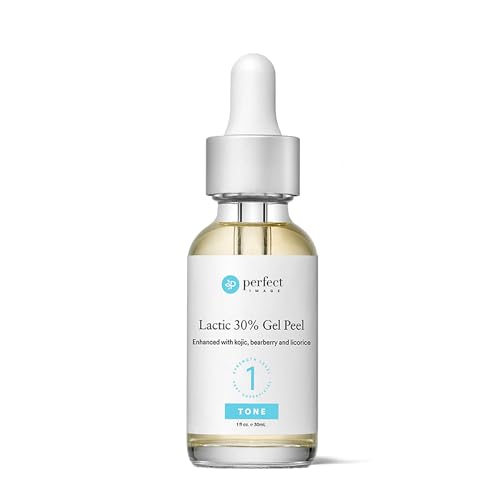
BOOSTS COLLAGEN – Perfect Image offers a Lactic acid peeling solution that promotes collagen and elastin fibroblast production. Using it regularly increases your skin’s elasticity, making you look younger.

POTENT EXFOLIATING COMPLEX: Advanced blend of 15% glycolic, phytic, malic, mandelic, and lactic acids along with enzymes work synergistically to optically resurface skin texture, improve the appearance of fine lines, and target uneven tone while supporting optimal hydration
Frequently Asked Questions
Can Chemical Peels Be Combined With Other Skincare Treatments Safely?
Chemical peels can be combined with other skincare treatments safely when guided by dermatologist advice. A personalized approach guarantees treatment safety, benefits combination, ideal timing, and manages skin sensitivity, supporting effective post peel care and the healing process.
How Do Chemical Peels Affect Different Skin Tones and Ethnicities?
Different skin tones require treatment tailoring, as ethnic skin reactions vary, impacting pigmentary changes and healing processes. Melanin response influences post peel care and results variability. Skin sensitivity and aesthetic goals guide safe procedures—truly, “one size does not fit all.”
Are There Any Long-Term Risks Associated With Repeated Chemical Peels?
Repeated chemical peels can lead to long term effects such as increased skin sensitivity, collagen depletion, hyperpigmentation risk, scarring potential, and compromised skin barrier. Allergic reactions and prolonged healing time highlight the importance of treatment frequency and professional guidance.
What Ingredients Should Be Avoided Before Getting a Chemical Peel?
Before a chemical peel, one should avoid chemical exfoliants, topical retinoids, and active ingredients that irritate sensitive skin. Reducing sun exposure, antibacterial products, and hydrating skin is essential. Skin allergies and prescription medications require dermatologist consultation.
How Soon Can Makeup Be Applied After a Chemical Peel Session?
Makeup application timing after a chemical peel varies with skin sensitivity levels and peel intensity; generally, waiting 3-7 days is advised. Professional advice is needed to avoid makeup products causing irritation; gentle foundation types suit recovery.


