As an Amazon Associate, we earn from qualifying purchases. Some links on this site are affiliate links at no extra cost to you. Our recommendations are based on thorough research and editorial judgment.


What Your Skin Really Needs: Separating Facts From Marketing

Effective skincare necessitates prioritizing clinically supported active ingredients at scientifically backed concentrations, such as 0.01%-1% retinoids for collagen boost and exfoliation, or 10%-20% Vitamin C antioxidants for radical neutralization. Avoid marketing claims favoring “natural” solely; safety depends on molecular properties, not origin. Examine labels for ingredient percentages and beware vague terms like “clean beauty.” Simplify routines with 3-4 synergistic products, emphasize daily SPF 30 use, and consult dermatologists for personalized, irritation-minimizing regimens. Advanced insights follow.
Key Takeaways
- Effective skincare relies on scientifically supported concentrations of active ingredients like retinoids, Vitamin C, and niacinamide for proven results.
- Ingredient origin (natural vs. synthetic) does not determine safety or efficacy; formulation quality and evidence-based choices matter most.
- Marketing terms like “natural,” “clean beauty,” and “clinically proven” often mislead; check ingredient concentrations and label order for true effectiveness.
- Simplified routines with 3-4 essential, synergistic products tailored to skin type prevent irritation and improve outcomes.
- Daily sunscreen with SPF 30+, hydration, and dermatologist guidance ensure skin health and debunk myths about high price or excessive product use.
The Science Behind Skincare Ingredients

You may be interested
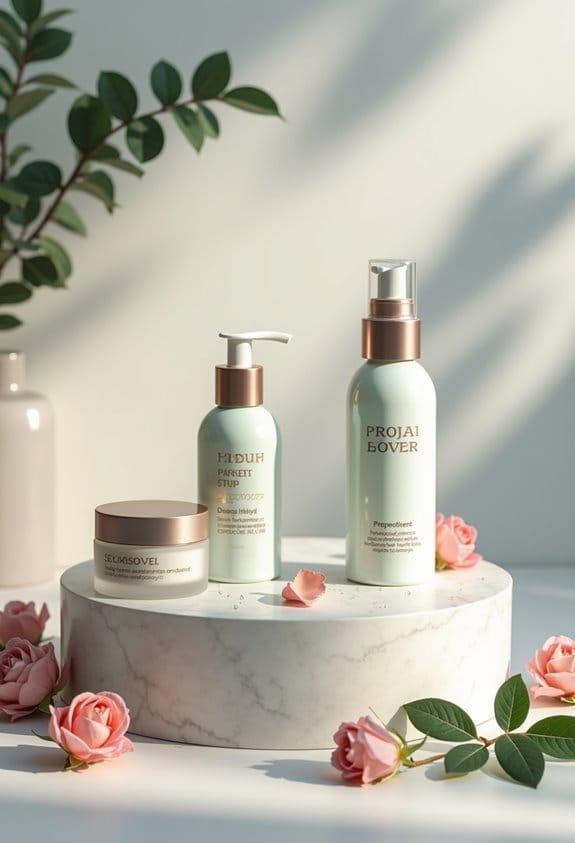


Although natural ingredients are popular, the efficacy of skincare formulations primarily depends on the molecular structure, concentration, and formulation context of active compounds. Experts emphasize an evidence-based approach, focusing on scientifically validated ingredients tailored to different skin types. Incorporate retinoids at concentrations ranging from 0.01% to 1% to accelerate cell turnover and boost collagen, improving texture and reducing aging signs. Use antioxidants like vitamins C (10-20%) and E (1-5%) to neutralize free radicals and protect against environmental damage. Include niacinamide between 2-5% to strengthen the skin barrier and reduce inflammation. Apply hydroxy acids (AHAs at 5-10%, BHAs at 1-2%) to exfoliate and clear acne. Always check ingredient lists, prioritizing active ingredients higher in concentration for maximum effectiveness in skincare routines. Retinol products are most effective when combined with hydrating and soothing ingredients such as hyaluronic acid and peptides to reduce irritation and enhance skin benefits.
Natural vs. Synthetic: Understanding the Differences

Why distinguish between natural and synthetic skincare ingredients when safety and effectiveness depend on molecular structure, concentration, and formulation? Experts emphasize that natural ingredients are not inherently safer; for example, botulinum toxin is natural yet hazardous. Conversely, synthetic ingredients like hyaluronic acid often provide consistent, stable benefits in skincare products. Examine the ingredient list carefully; ingredient origin alone does not predict safety and efficacy. Dermatologists advise evaluating formulation science, as molecular interactions affect outcomes more than source. Always scrutinize product details to guarantee safe application. Key instructions include: avoid assuming natural means non-toxic, recognize synthetic compounds can be both safe and effective, and prioritize evidence-based product choices over marketing claims. Proper assessment demands understanding each ingredient’s molecular behavior and role within the complete formulation. Additionally, incorporating peptide treatments can significantly enhance skin elasticity and hydration, making them a scientifically supported complement to both natural and synthetic ingredient regimens.
Recommended Products

Rapid Moisture Boost : Achieve plumping and glowing skin by improving moisture and elasticity. Intensive hydrating and soothing effect for dry and flaky skin

ULTRA-LIGHT, NON-STICKY FORMULA: A lightweight version of medicube’s hero PDRN ampoule, designed to deliver hydration and glow without any heavy or sticky feel—making it ideal for daily use, even in hot and humid weather.

AGE-SUPPORTING SERUM: Multi-Peptide + HA Serum targets early signs of aging, helping improve skin smoothness, elasticity, and firmness.
How Ingredient Concentration Affects Safety and Efficacy

Since ingredient concentration directly influences both safety and efficacy, skincare professionals insist on strict attention to dosage levels within formulations. The principle “the dose makes the poison” underscores that excessive amounts of even safe substances cause harm. Active ingredients must meet scientifically supported concentrations, typically ranging from 0.5% to 2% for common actives like retinol or niacinamide, to guarantee efficacy without toxicity. Low concentrations often render products ineffective, misleading consumers. Experts advise closely examining ingredient labels to assess concentrations and confirm clinical relevance. To make informed choices, prioritize products listing actives near the top of ingredient lists with specified percentages. Remember, natural origin does not guarantee efficacy; concentration and formulation context are decisive. Maintain vigilance for balanced formulations, as improper dosages compromise both safety and desired skincare outcomes. For example, sulfur ointments require consistent daily use as a spot treatment for optimal results, demonstrating how application frequency impacts treatment success.
Recommended Products

HIGH-STRENGTH RETINOL FORMULA: Retinol 1% in Squalane targets fine lines, wrinkles, and uneven skin texture with a potent 1% retinol concentration.
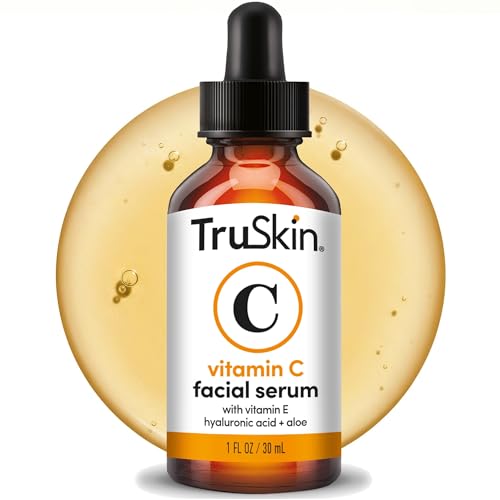
ADVANCED BRIGHTENING FORMULA: Vitamin C helps fight free radical damage and support natural collagen while improving the look of uneven tone, dark spots, and fine lines for a brighter-looking complexion

This concentrate is expertly formulated to harness the power of our highest strength retinol and clinically proven to deliver younger looking skin.
Common Marketing Tricks to Watch For
How can consumers discern truth from exaggeration in skincare marketing? Experts advise vigilance toward buzzwords like “natural skincare” and “clean beauty,” which lack strict regulation and may mislead about ingredient safety and efficacy. Dermatologist Dr. Lee states, “Don’t accept ‘clinically proven’ claims without reviewing peer-reviewed studies.” Be cautious of “hero ingredient” hype; verify if the product contains effective concentrations—often less than 1%. Beware of “free from” labels, which may highlight irrelevant omissions while harmful agents persist. Understand that terms such as “hypoallergenic” have no standardized meaning, hence do not guarantee safety for sensitive skin. For making informed choices, consult ingredient lists and select products with ingredients proven safe through scientific scrutiny. Avoid falling prey to common skincare myths by prioritizing transparency and evidence over marketing exaggerations. Additionally, understand how scalp treatment frequency can impact skin health to avoid irritation or under-treatment.
Decoding Skincare Labels for Better Choices
What should consumers focus on when examining skincare labels for informed purchasing decisions? Prioritize ingredient order, as higher concentrations appear first, directly impacting cellular repair and overall efficacy. Experts assert, “Identify actives’ percentages to verify effectiveness without provoking skin sensitivity.” Avoid reliance on vague claims like “hypoallergenic,” which lack regulatory standardization and may mislead. Carefully read the complete INCI list to detect allergens or irritants that worsen skin sensitivity. Assess pH indications when present; acids like AHAs function best at lower pH, enhancing exfoliation and promoting skin renewal. To make informed choices:
- Confirm active ingredient concentrations meet established therapeutic levels.
- Cross-check ingredients for allergens relative to personal sensitivities.
- Disregard ambiguous marketing terms unsupported by scientific definition.
Such rigorous label decoding verifies safe, effective skincare that supports cellular repair and long-term skin health. Additionally, understanding the ideal retinol concentration for your skin type can help maximize benefits while minimizing irritation.
Essential Ingredients Backed by Research
Essential ingredients supported by robust scientific studies must form the foundation of effective skincare formulations. Retinoids, proven to boost collagen and accelerate cell turnover, improve texture and diminish aging signs. Vitamin C, especially in its stable synthetic form, offers antioxidant protection against UV damage and brightens the complexion. Niacinamide strengthens the skin barrier, reduces inflammation, and addresses hyperpigmentation, as confirmed by clinical studies. Hydroxy acids (AHAs and BHAs) exfoliate deeply, unclog pores, and reduce acne, enhancing smoothness. Hyaluronic acid, recognized for its moisture retention, plumps skin and minimizes fine lines. Experts advise selecting products with these validated essential ingredients to guarantee real results. Both natural and synthetic compounds, when scientifically validated, deliver ideal skin benefits, ensuring effective, safe outcomes without reliance on marketing claims. Moreover, combining Vitamin C with Vitamin E and Ferulic Acid significantly amplifies its antioxidant efficacy and skin protection.
Recommended Products

CLARIFIES SKIN & MINIMIZES BLEMISHES: Infused with Vitamin C, Retinol, Salicylic Acid, and Niacinamide, this facial serum helps reduce excess oil, refine pores, and visibly improve skin clarity. It supports smoother, clearer skin without harsh additives, making it ideal for those with oily or acne-prone complexions. This multi-functional serum is a staple for any skincare routine targeting visible congestion, dull texture, and uneven tone.
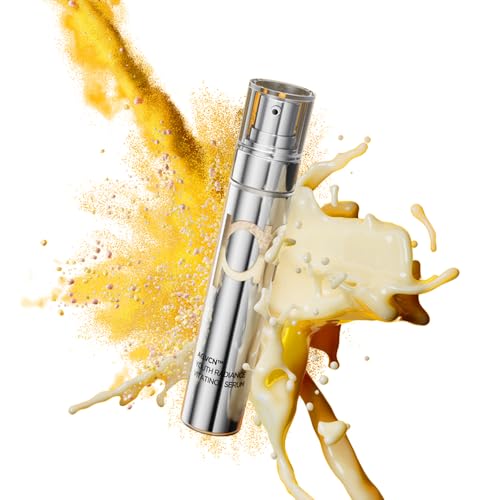
RETINOL & VITAMINC MIXOLOGY: PRIMERA's bestselling serum sold over 100,000 units in the shortest time. 4.8 average rating and 1st repurchase rate in PRIMERA brand. Explosive synergistic combination of retinol and vitamin C improving brightness, firmness, pore and wrinkles. Clear, bright, radiant and bouncy skin.

1. Advanced 4-Piece Skin Care Set: Transform your skincare routine with this powerful Vitamin C Serum set. Featuring Retinol, Hyaluronic Acid, and Niacinamide, this set offers complete anti-aging, skin-brightening, and hydration benefits. Ideal for anyone looking to reduce fine lines, wrinkles, and dark spots while achieving smoother, firmer, and more youthful skin.
The Role of Preservatives in Product Safety
Skincare formulations require more than active ingredients to maintain their effectiveness and safety throughout use. Preservatives are essential in cosmetic formulations for inhibiting harmful microorganisms, ensuring product safety, and protecting skin health. Experts state, “Inadequate preservation risks contamination, which directly threatens consumers’ well-being.” Regulatory agencies rigorously evaluate preservatives for safety and efficacy, supporting their vital role despite clean beauty trends often downplaying preservation. Formulators must include appropriate preservatives at concentrations typically ranging from 0.1% to 1%, selected based on product pH and intended use. Skincare products without effective preservatives can spoil quickly, increasing bacteria that cause irritation and infection. Always prioritize formulations proven to maintain stability and microbial safety. Disregard marketing claims that omit preservatives, as their presence directly correlates with safe, reliable cosmetic use. Moreover, choosing formulations that are hypoallergenic and fragrance-free can help reduce skin irritation while ensuring product safety.
The Impact of Environmental Factors on Skin Health
Although environmental factors are often overlooked, they exert profound effects on skin health and require strategic management to preserve skin integrity. Experts assert that maintaining ideal skin hydration demands routine adjustments, particularly when humidity levels fluctuate indoors or outdoors. Pollution exposure accelerates skin aging by causing inflammation and oxidative stress; thus, minimizing outdoor time during high pollution and cleansing thoroughly is essential. Dermatologists emphasize daily sunscreen application with at least SPF 30 to shield against ultraviolet radiation, a leading cause of premature aging and skin cancer. Additionally, dry indoor air from heating or air conditioning necessitates intensive moisturizing products containing humectants like glycerin or hyaluronic acid. Consistent adherence to these expert recommendations effectively mitigates environmental damage and preserves youthful, resilient skin. Incorporating antioxidant treatments into your skincare routine can further protect the skin by neutralizing free radicals generated from environmental stressors.
Debunking Popular Skincare Myths
A critical step in optimizing skin health involves discarding persistent skincare myths that distort consumer understanding and practices. Experts emphasize that “natural” products often lack reliable evidence supporting their safety or efficacy; some natural ingredients trigger allergic reactions, so verify ingredient lists carefully. Do not equate higher price with superior results; prioritize active ingredient efficacy over brand reputation. Dermatologists advise against excessive use of potent actives like retinoids, as overapplication provokes irritation, undermining skin healthy goals. Validate daily sunscreen use regardless of mineral or chemical formulation, since both provide robust UV protection. Dismiss claims vilifying all preservatives; synthetic preservatives are essential for preventing microbial growth and maintaining product safety. An effective skincare routine demands evidence-based selections rather than marketing influence to guarantee genuine benefits endorsed by the beauty industry. Additionally, incorporating medical-grade silicone gels can effectively reduce scar redness and improve skin texture with consistent application.
The Importance of Formulation and Routine Simplicity
When optimizing skin care, prioritize formulation quality and routine simplicity, as experts firmly assert these factors determine product efficacy and skin tolerance. Select products with clinically proven active ingredients—such as retinoids, niacinamide, and broad-spectrum sunscreen—tailored to your skin type. Consider the formulation context; a balanced formula enhances ingredient absorption better than simply increasing active concentrations. Simplify skincare routine by limiting to 3-4 essential products, avoiding unnecessary layering which can cause irritation and reduce effectiveness. Dermatology researchers recommend focusing on product synergy rather than quantity. Follow these instructions:
- Identify your skin type accurately before product selection.
- Choose formulations with moderate active ingredient levels proven for efficacy.
- Apply products in order of texture, from thinnest to thickest.
- Monitor skin response to prevent irritation.
Adopting simplicity and formulation quality optimizes long-term skin health efficiently. Additionally, incorporating cruelty-free serums with key ingredients like hyaluronic acid and peptides can enhance skin hydration and reduce fine lines without compromising ethical standards.
Recommended Products

REFINE TEXTURE & MINIMIZE PORES: 10% niacinamide serum that refines the look of skin texture and improves the appearance of enlarged pores.

BOOSTS BRIGHTNESS & SMOOTHNESS: Niacinamide 10% + Zinc 1% visibly improves skin radiance and smooths texture in one week.

CLINICALLY SHOWN RESULTS: Our concentrated niacinamide serum is high-quality, formulated with pure 12% niacinamide and 2% zinc PCA, clinically shown to reduce the appearance of dark spots, pores, fines lines & wrinkles
Why Consulting a Dermatologist Matters
Expert consultation with a dermatologist guarantees individualized skincare guidance tailored precisely to unique skin types, conditions, and sensitivities, ensuring safer and more effective treatment outcomes than generic regimens. Dermatologists assess the science behind products, identifying safe active ingredients like retinoids to prevent irritation. They monitor changes in individuals skin, enabling early intervention for issues such as acne, eczema, or skin cancer. “Regular evaluations promote healthy skin by adjusting treatments based on evolving conditions,” states Dr. Lee, a board-certified dermatologist. Follow these directives: disclose all skincare products used, report new symptoms promptly, and adhere strictly to prescribed routines. Avoid self-prescribing potent actives without professional advice. Trusting a dermatologist aligns consumer efforts with evidence-based practices, optimizing treatment effectiveness and long-term skin health.
Building a Sustainable and Transparent Skincare Routine
How can a skincare routine remain both effective and responsible over time? To make a real impact on the skin’s needs, prioritize evidence-based ingredients such as 5% niacinamide, 0.5% retinoids, and 1-2% hyaluronic acid, all proven to support healthy skin. Experts recommend demanding transparency by examining product labels for active ingredient concentrations and preservative types to prevent contamination. Avoid unverified “clean” claims by verifying ingredient lists, focusing equally on active and inactive components. Incorporate brands committed to eco-friendly packaging and ethically sourced ingredients for genuine sustainability. Dermatologist Dr. Lee states, “Transparency is essential; it allows consumers to choose formulas tailored to their skin type and environmental values.” Following these steps builds a sustainable, transparent skincare routine aligned with both skin health and environmental responsibility.
Recommended Products

[BEGINNER-FRIENDLY DAILY RETINAL] Skip the painful 'retinol purge' and irritation. With a verified skin irritation Index of 0.00, this ultra-gentle formula is meant for daily, day-and-night use. It safely delivers powerful youth-boosting care for all skin types, including sensitive skin.

[ POST ACNE RETINOL SERUM FOR FACE ] With encapsulated retinol, this facial serum helps skin look smoother and more even-toned. Pore minimizer helps refine skin’s texture & helps visibly reduce the appearance of post-acne marks and blemishes.

[ RETINOL FOR FACE ] This anti aging serum leverages encapsulated retinol with MVE Technology to ensure efficient delivery within for slow release over time, supporting your protective skin barrier long after you’ve finished applying
Frequently Asked Questions
What Is the 4 2 4 Rule in Skincare?
The 4-2-4 rule in skincare involves cleansing four minutes, applying emulsion two minutes, then rinsing four minutes. This routine highlights double cleansing benefits, skin barrier importance, cleansing oil options, toner effectiveness analysis, and essential skincare routine tips.
What Is the 1% Rule in Skincare?
The 1% rule in skincare states that ingredient concentration above 1% may cause irritation. This rule highlights the ingredient importance for skincare effectiveness, especially in facial moisturizers, where balanced product concentration guarantees ideal results without harm.
What Are 5 Facts About Your Skin?
Five facts about skin include its moisture retention relying on the skin barrier, the necessity of sun protection to slow the aging process, the importance of maintaining pH balance for overall health, and continuous cellular renewal.
What Skincare Do You Actually Need?
Basic skincare essentials include cleanser, moisturizer, and sunscreen. Daily routine importance varies by skin type differences, emphasizing ingredient effectiveness. Product layering tips enhance absorption, ensuring tailored care that addresses individual concerns without irritation or diminished results.

