As an Amazon Associate, we earn from qualifying purchases. Some links on this site are affiliate links at no extra cost to you. Our recommendations are based on thorough research and editorial judgment.


When to Apply Serums in Your Skincare Routine

Apply serums immediately after cleansing and toning to guarantee maximum absorption of active ingredients. Use a pea-sized amount of serum and gently pat it evenly onto the face until fully absorbed. Layer lighter, water-based serums before heavier oils or moisturizers to preserve ingredient integrity. Avoid skipping cleansing to prevent makeup and pollutants from blocking serum efficacy. For sustained results, apply serums twice daily but adjust frequency for sensitive skin. Detailed guidance on optimizing serum use follows below.
Key Takeaways
- Apply serums after cleansing and toning to ensure maximum absorption of active ingredients.
- Use serums before moisturizing to allow deeper penetration into the skin.
- Apply serums twice daily, in the morning and night, for continuous skin benefits.
- For layered treatments, apply concentrates first, followed by lighter serums, then facial oils last.
- Adjust frequency based on skin sensitivity, starting gradually to monitor tolerance.
The Importance of Cleansing Before Serum Application

You may be interested


Because proper cleansing removes dirt, oil, and impurities, it is essential to prepare the skin before serum application, guaranteeing ideal absorption of active ingredients. Experts emphasize that cleansing twice daily with a gentle, pH-balanced formula improves skin’s ability to absorb serums effectively. To cleanse properly, use a dime-sized amount of cleanser, apply it with fingertips in circular motions, and rinse with lukewarm water. This removes surface impurities that block active compounds in serums from penetrating deeply. Skipping cleansing leaves makeup or environmental pollutants on the skin, considerably reducing serum effectiveness. Incorporate cleansing as the foundational step in your skincare routine, optimizing serum application and enhancing product performance. Dermatologists warn: “Never apply serum on unclean skin if maximum benefits are desired.” Cleanse first; absorb last—this sequence guarantees the best skincare results. Using a non-stripping cleanser helps maintain the skin’s natural moisture barrier, ensuring it stays healthy and receptive to serum ingredients.
Recommended Products

MBR Enzyme Cleansing Booster is Face cleansing Powder that is a Deep Pore Cleanser, Detoxifying and Regenerating. Recommended as a second cleanse or mix into your milky cleanser 1-3 times a week as an enzymatic cleansing booster. Can be used to smooth the neck and decollete.

MILD HYDRATING CLEANSER – Gently removes pore-clogging lipids and surface build-up, leaving both your face and body soft and supple. All Sebamed products are 100% soap and alkali free, with a unique vitamin blend, and moisturizing complex Allantoin and Pentavitin. Cleans, moisturizes, and washes away completely to support skin’s natural healing process.

Bulk 1.05-Gallon Kit with Cards & Pump: Includes 3.98L (1.05 gallon) of lash shampoo, 50 aftercare cards, and a professional-grade pump—ideal for salons looking to maximize client care and operational efficiency.
The Role of Toners in Preparing Skin for Serum

When cleansing is complete, apply toner immediately to restore the skin’s natural pH, which typically ranges between 4.5 and 5.5. Toners eliminate residual impurities, ensuring truly clean skin and enhancing serum absorption. Experts recommend using toners with hydrating ingredients, such as glycerin or hyaluronic acid, to add moisture that primes the skin for treatment. Additionally, toners help minimize the appearance of pores and smooth skin texture, which improves serum effectiveness. Consistent toner use supports balanced skin tone and texture, reinforcing the benefits of subsequent serums. Dermatologist Dr. Langdon advises, “Incorporate toners as a critical step to optimize your skincare routine; skip this and you risk reducing your serum’s efficacy.” Apply toner with a cotton pad or by patting lightly with hands for thorough coverage before serum application. Using an alcohol-free formulation with soothing ingredients like aloe and chamomile can also minimize irritation, especially for sensitive skin types.
Recommended Products

Cleanse & Refresh for Brighter Skin: Gently remove impurities for a visibly brighter complexion. This face wash preps your skin for the next steps in your brightening routine – toner and SPF moisturizer.
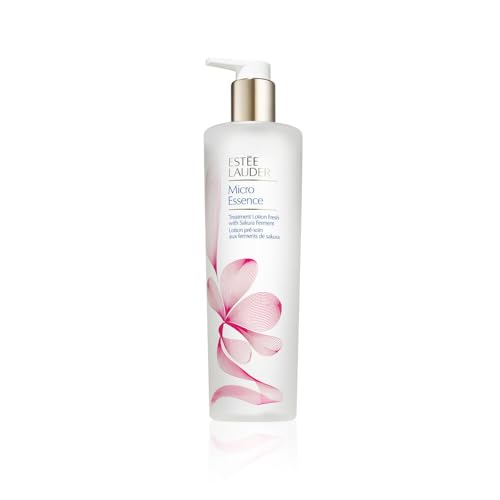
DOUBLE BARRIER POWER: Micro Essence optimizes skin's barrier—its inherent strength and stability. Helps significantly boost skin's first line of resistance to external aggressors. Locks in moisture and soothes to minimize the look of redness

DOUBLE BARRIER POWER: Micro Essence optimizes skin's barrier—its inherent strength and stability. Helps significantly boost skin's first line of resistance to external aggressors. Locks in moisture and soothes to minimize the look of redness
Proper Order: Serum and Moisturizer Application
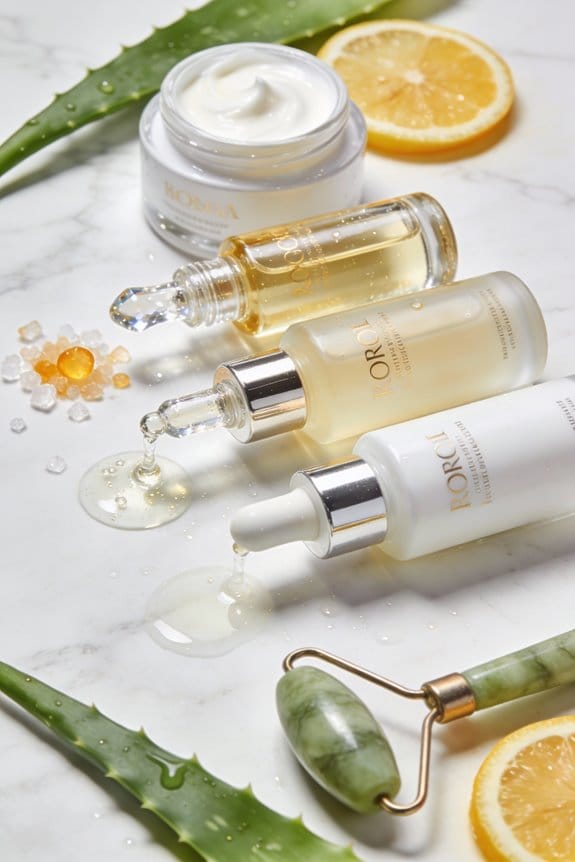
Following toner application, apply serums before moisturizers to optimize active ingredient delivery and skin absorption. Experts advise that the lightweight, water-based serum penetrates deeper into the skin than thicker, oil-based moisturizers. Apply a pea-sized amount of serum evenly over the face, gently patting until fully absorbed, typically within 30 seconds. Next, apply moisturizer to lock in the serum’s benefits and prevent moisture loss, efficiently sealing hydration. Proper application involves addressing individual skin concerns by selecting suitable serums and respecting the best order to maximize efficacy. Avoid skipping serum or reversing order, as this impedes absorption. Remember, layering multiple serums requires brief absorption times before moisturizer. This method preserves serum potency and maintains the integrity of the skincare routine for effective, targeted results. Additionally, using lightweight, non-comedogenic cleansing oils prior to serum application can enhance skin clarity and improve serum absorption.
Recommended Products

Next-Level Glow Set – Includes glow.m Cryo Sonic Pro + Moisture Booster Gel, combining cooling cryo care with deep hydration for radiant glass skin.

🌟 ADVANCED ANTI-AGING FORMULA. Experience real, long-lasting results with InfiniteAloe Gold, a breakthrough all-in-one anti-aging solution. Powered by nano delivery technology, this revolutionary formula penetrates deep into the skin to deliver powerful nutrients for 18-24 hours—unlike ordinary water-based creams that sit on the surface.

CAN ONE DEVICE SUPPORT MULTIPLE SKINCARE STEPS? SURGIA PRO combines four facial care modes in one handheld device, making it easy to personalize your routine for serum application, facial massage, warming care, and a refreshed-looking finish.
Layering Serums With Oils and Concentrates
Although serums typically feature lightweight, water-based formulas ideal for penetrating skin, proper layering with heavier facial oils and potent concentrates is essential for maintaining ingredient potency and absorption. Apply concentrates first, as these contain highly active ingredients that must not be diluted by subsequent products. Wait two minutes to allow concentrates to initiate effects. Next, apply the serum to clean skin for maximum absorption; its lighter consistency facilitates deep penetration of active ingredients. Finally, layer facial oils to form a protective layer, locking in serum benefits and preventing moisture loss. This order maximizes skin benefits within a skincare routine by preserving ingredient integrity and enhancing effectiveness. Experts emphasize that correct layering guarantees active ingredients remain stable and fully potent throughout application, boosting overall treatment results. Incorporating renewing cleansers with key ingredients before serums can prepare the skin by removing impurities and promoting hydration, thus enhancing serum efficacy.
Recommended Products


COMPREHENSIVE ANTI-AGING SOLUTION: The Turnover Ampoule is meticulously crafted to address a variety of skin concerns, such as fine lines, loss of firmness, and uneven skin tone, utilizing an advanced formula that not only promotes a youthful and radiant complexion but also works at a deeper level to rejuvenate and strengthen the skin’s natural barrier for long-lasting results.

Even Tone Made Simple: Improve the look of uneven tone and dark spots and all your skin concerns with a single step without a complicated routine
Recommended Frequency for Serum Use
Consistently apply serums twice daily—morning and evening—to maintain continuous delivery of active ingredients and maximize skin benefits, as dermatologists recommend. The recommended frequency of serum use depends on skin type and product potency. For sensitive skin, begin by applying serum every other day to reduce the risk of irritation. Monitor skin reactions closely and make adjustments to the routine accordingly. Stronger serums with high concentrations of active compounds should be used fewer times weekly rather than daily. Consistent application guarantees measurable improvements in skin texture and specific concerns over time. To establish the ideal routine, gradually increase frequency while observing skin tolerance. Always base adjustments on how your skin responds to avoid adverse effects and guarantee lasting benefits from serum use. Additionally, incorporating serums with ingredients such as salicylic acid can help control oil and improve skin clarity when used correctly.
Recommended Products

Instant Firming Facial Oil - Natural essential oils power this potent skin firming & tightening solution

Vitamin E, a potent antioxidant, helps protect your skin from environmental damage, reducing the signs of aging and promoting a youthful glow.

REFRESHING OXYGEN CARE - Provides a gentle and refreshing oxygen flow that enhances skin hydration and boosts the look of radiance for a revitalized complexion.
Tips for Maximizing Serum Effectiveness
To maximize serum effectiveness, apply serums on clean, dry skin immediately after cleansing and toning to guarantee ideal absorption of active ingredients. Experts emphasize serum application before moisturizers to optimize absorption, allowing active ingredients to penetrate deeper while moisturizers lock in benefits. Tailor your skin care routine by selecting serums compatible with your skin type; for example, avoid applying retinoids alongside AHAs or BHAs to prevent irritation. Target the Eye Area separately with gentle formulas, as this skin is delicate and requires specialized treatment. During your morning routine, follow these instructions: cleanse thoroughly, apply toner, then a pea-sized amount of serum, and finish with moisturizer. Avoid layering products with conflicting ingredients to maintain efficacy and minimize adverse reactions. Consistency and precise layering are critical for maximizing serum benefits. It is also important to be aware of common side effects such as redness or mild irritation when introducing new active ingredients like retinol.
Frequently Asked Questions
When to Use Serums in Skincare Routine?
Serums are used in both morning and evening routines, applying after cleansing to maximize serum benefits. Proper application techniques, considering skin types and seasonal changes, avoid common mistakes like improper layering or mixing serums, enhancing absorption and effectiveness.
What Is the 4 2 4 Rule in Skincare?
The 4-2-4 rule in a skincare routine involves oil-based cleansing for 4 minutes, water-based cleansing for 2, and rinsing for 4. This optimizes serum benefits, especially for vitamin C or hyaluronic acid, enhancing layering techniques and moisture barrier support.
In What Order Do You Put Serums On?
Like a symphony, layering techniques require harmony; start with thin serums like hydration boosters, progress to targeted treatments, respecting absorption rates and ingredient compatibility. Morning and evening routines differ, often mixing combination products based on skin concerns.
Do I Put Serums on Before or After Moisturiser?
Serums should be applied before moisturizer, optimizing serum benefits by allowing active serum ingredients to penetrate deeply. Proper layering techniques prevent common mistakes, suit various skin types, and enhance hydration levels in both morning routines and evening routines.