As an Amazon Associate, we earn from qualifying purchases. Some links on this site are affiliate links at no extra cost to you. Our recommendations are based on thorough research and editorial judgment.


Why Less Is Sometimes More in Skincare

Excessive skincare product use stresses the skin barrier, causing inflammation, irritation, and sensitivity. Dermatologists advise limiting routines to a gentle cleanser, a moisturizer rich in ceramides or hyaluronic acid, and a zinc-based sunscreen of SPF 30 or higher. Avoid combining multiple actives simultaneously; introduce new treatments gradually over 4–6 weeks for accurate skin response assessment. Simplify by skipping redundant items like toners or separate eye creams. Continue exploring expert strategies for integrating effective minimalism tailored to various skin types.
Key Takeaways
- Overusing skincare products can cause irritation, inflammation, and weaken the skin barrier, so simpler routines help maintain healthy skin.
- Minimalist routines typically include just a gentle cleanser, moisturizer, sunscreen, and one targeted treatment to avoid overwhelming the skin.
- Skipping non-essential items like toners, eye creams, and separate day/night moisturizers streamlines care and reduces the risk of adverse reactions.
- Multi-functional, fragrance-free products that combine hydration, sun protection, and treatment benefits support skin health efficiently and safely.
- Customizing routines for your skin type and alternating active ingredients prevent irritation and promote long-term skin resilience and balance.
The Risks of Overusing Skincare Products

You may be interested


Avoid combining multiple active ingredients such as retinol and alpha hydroxy acids (AHAs) within the same skincare routine to prevent inflammation and compromise of the skin barrier, which protects against environmental damage. Experts warn that overusing skincare products increases the risk of skin irritation, causing redness, flaking, or sensitivity. Dermatologists recommend a minimalist routine featuring one or two targeted products to protect the skin barrier from disruption. A simplified routine guarantees balanced hydration without overwhelming the skin’s natural defenses. Follow these guidelines: use retinol no more than twice weekly, avoid concurrent AHA application, and apply gentle moisturizers daily to support barrier repair. Prioritize high-quality ingredients and limit product layering to reduce adverse reactions. Remember, effective skincare results from moderation, not accumulation, emphasizing quality over quantity for best skin health. Choosing hypoallergenic moisturizers can further reduce allergic reactions and inflammation, making them ideal for sensitive skin.
Common Skincare Items You Can Skip

Recognizing that overuse of multiple skincare products can damage the skin barrier, experts advise streamlining routines by eliminating non-essential items proven to offer minimal benefit. Common skincare items like eye creams and neck creams are often unnecessary, as a well-formulated moisturizer efficiently hydrates these areas. Toners, although popular, frequently add no value if cleansing and moisturizing are performed correctly. Separate day and night moisturizers are redundant—one quality moisturizer suffices for both. Specialists recommend avoiding individual ingredient serums that complicate the routine; instead, choose multi-functional products addressing multiple concerns simultaneously. Adopting a minimalist approach emphasizes quality over quantity, reducing skin irritation risks while optimizing effectiveness. Follow these guidelines to maintain an efficient skincare routine that supports barrier health and delivers measurable improvements without overcomplication. Moisturizers containing hyaluronic acid provide effective hydration and can simplify your routine by acting as a multifunctional product suitable for various skin types.
Recommended Products

Nourishing Face Moisturizer - Enhance your anti-aging skincare routine with this moisturizing face cream and facial moisturizer, designed to help your skin feel smooth and refreshed. Collagen supports the look of skin's flexibility while promoting a visibly firmer texture for both face and neck. Enjoy a youthful glow with a gentle solution that provides enduring hydration and care, ideal as a hydrating face moisturizer.
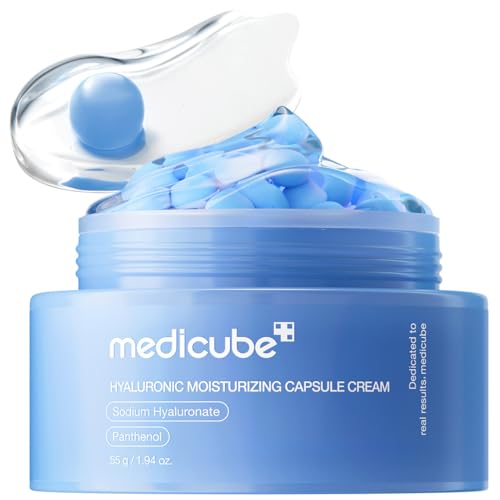
[Long Lasting Hydration Up To 120 Hours] Powered by ultra-low molecular Hyaluronic Acid capsules to deliver deep hydration to the skin, providing long-lasting moisture and visibly plump skin.

ALL-DAY HYDRATION SOOTHING CREAM : This hydrating cream deeply soothes and moisturizes the skin from within. Its bouncy and elastic gel-like texture absorbs quickly into your skin without stickiness. Achieve plump skin with this Korean Hyaluronic Acid soothing cream.
Building a Minimalist Skincare Routine

A minimalist skincare routine should include no more than four essential products chosen for their efficacy and compatibility with the skin’s needs. Prioritize a gentle cleanser that removes impurities without disrupting the skin barrier. Add a moisturizer rich in key ingredients like ceramides and hyaluronic acid to support skin health. Incorporate sunscreen daily to protect against UVA and UVB rays. Experts advise using multifunctional products, such as moisturizers with SPF or antioxidant serums, to streamline your routine while addressing various concerns. Avoid over-layering actives, which increases irritation risk. Dermatologist Dr. Lee emphasizes, “Wait 4-6 weeks after starting your minimalist regimen to assess skin response before adding new products.” By focusing on quality, simplicity, and targeted ingredients, individuals optimize skin health efficiently and minimize unnecessary product use. Applying serums on slightly damp skin can improve absorption and enhance hydration, making each product more effective.
Recommended Products

3.4-fluid ounces of Neutrogena Ultra Gentle Daily Facial Moisturizer with SPF 30 Sunscreen helps protect normal to sensitive skin from the sun & to strengthen skin's dynamic barrier in just one use

Cetaphil Daily Facial Moisturizer SPF 35: Three-in-one facial moisturizer hydrates, nourishes and protects sensitive, combination skin

Designed for Sensitive Skin: Vanicream is the #1 Dermatologist-Recommended Brand for Sensitive Skin*. This moisturizer with mineral SPF shields you from UVA and UVB rays. When used with other sun protection measures, it helps reduce the risk of skin cancer and aging
Five Essential Products for Healthy Skin
Five essential products form the foundation of an effective skincare regimen designed to maintain healthy, resilient skin. Experts emphasize less is more by selecting specific essential products: a gentle cleanser, a quality moisturizer, zinc-based sunscreen, a vitamin C antioxidant, and a night treatment with retinol or glycolic acid. Cleanse with a product that removes dirt without stripping oils, preserving the skin barrier. Prioritize moisturizing with formulas containing niacinamide to hydrate and reduce redness. Apply sun protection liberally using an SPF 30 or higher daily to prevent UV damage and premature aging. Finally, incorporate antioxidant treatments in the morning and retinol-based products at night for cell renewal. Selecting a dermatologist-tested moisturizer ensures effective hydration and skin barrier support. Following these precise steps optimizes healthy skin while avoiding unnecessary product overload.
Recommended Products
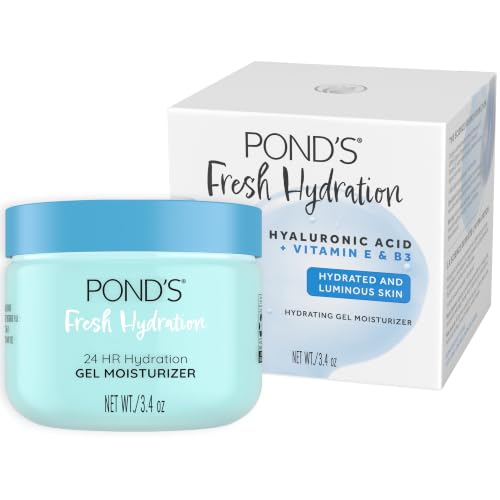
POND’S GEL MOISTURIZER – Loved for generations, this refreshing POND’S Hydrating Gel delivers 24-hour hydration and leaves skin looking dewy, soft, and luminous—so you can feel confident, from early mornings to winding down at night.

[ CERAVE SA CREAM ] Body moisturizer that gently exfoliates to help soften and smooth dry, scaly, or rough and bumpy skin on legs and upper arms. Rich, velvety texture leaves skin feeling smooth. Absorbed quickly and has a non-greasy feel

[ CERAVE SA CREAM ] Body moisturizer that gently exfoliates to help soften and smooth dry, scaly, or rough and bumpy skin on legs and upper arms. Rich, velvety texture leaves skin feeling smooth. Absorbed quickly and has a non-greasy feel
How to Choose Multi-Functional Skincare
Frequently, selecting multi-functional skincare products streamlines routines and minimizes skin irritation caused by layering incompatible ingredients. Experts recommend choosing formulas that combine key benefits—such as hydration, sun protection, and anti-aging—into a single product. Prioritize ingredients like niacinamide, which balances skin and minimizes pores, or hyaluronic acid to effectively hydrate while addressing multiple skin concerns. Incorporate antioxidants like vitamin C within moisturizers to eliminate the need for separate serums. Experts emphasize using creams that provide both treatment and hydration, such as night creams containing retinol for enhanced cell turnover. Follow these steps:
- Identify your primary skin concerns
- Select products with multiple active ingredients addressing these issues
- Verify products hydrate sufficiently without causing irritation
- Streamline the skincare regimen by substituting multiple products with one multi-functional formula
This approach reduces complexity and improves skin health outcomes efficiently. Additionally, choosing fragrance-free formulas is recommended to further reduce the risk of irritation, especially for sensitive skin.
Recommended Products

MOISTURIZING & SMOOTHING: Our Multi-Peptide Moisturizer works to moisturize, leaving skin feeling soft and supple, helps improve the appearance of texture for smoother feeling skin, and absorbs quickly leaving skin nourished and conditioned

CETAPHIL VITAMIN C SERUM: Hydrates the skin for 24 hours and helps maintain the skin’s moisture barrier while boosting luminosity

RADIANCE BOOSTING MOISTURIZER: A lightweight, vegan, fragrance free, radiance boosting moisturizer infused with Vitamin C and Niacinamide to help improve the appearance of skin tone. Made for all skin types and for daily use in both the AM and PM
Understanding Key Ingredients for Skin Health
Effective skincare depends on understanding key active ingredients that target specific skin concerns while maintaining overall health. Retinols stimulate collagen production and accelerate skin renewal but require gradual introduction to minimize irritation. Vitamin C serums provide antioxidant protection, brighten complexion, and promote collagen synthesis; however, do not combine them directly with retinols to avoid inactivation. Niacinamide strengthens the skin barrier, reduces redness, controls oil, and shrinks pores, making it versatile across skin types. Hyaluronic Acid retains moisture effectively, sustaining skin plumpness and elasticity, suitable for all users. Experts mandate daily application of broad-spectrum sunscreen with SPF 30 or higher to guard against UVA and UVB rays, preventing premature aging and skin cancer. Prioritize these ingredients in minimal, well-formulated products to guarantee efficacy without overwhelming the skin. Additionally, pairing retinol with hydrating and soothing ingredients can reduce irritation and enhance skin benefits.
Tips for Integrating Actives Safely
How should active ingredients be introduced to minimize skin irritation and maximize benefits? Experts recommend starting with one product at a time, evaluating skin type and tolerance over 4-6 weeks. Use low concentrations initially, such as retinol applied once weekly, increasing frequency as acclimation occurs. Alternate potent actives like retinol and exfoliants on different days or times to protect the skin barrier. Avoid layering incompatible ingredients, for example, vitamin C and retinol, since this can inactivate ingredients and cause irritation. Maintain a skincare journal to track reactions, adjustments, and improvements. A methodical approach to skincare, guided by good scientific data and individualized assessment, is essential. Integrating actives safely into a skincare routine prevents adverse effects and maximizes efficacy, acknowledging that ingredients can lead to complications if misused. Additionally, using gradual introduction techniques for retinol is important for minimizing irritation during the acclimation period.
Simplifying Your Routine Without Sacrificing Results
A skincare routine should consist of no more than three to four essential products, including a gentle cleanser, a hydrating moisturizer, broad-spectrum sunscreen with an SPF of at least 30, and one targeted treatment addressing specific concerns such as acne or hyperpigmentation. Experts assert that limiting products reduces irritation and promotes consistent skin health. Incorporate multi-functional moisturizers that provide hydration and antioxidants to minimize steps. Follow these guidelines:
- Choose high-quality, basic skincare products with proven efficacy.
- Apply cleanser and moisturizer twice daily, ensuring hydration without overloading skin.
- Use sunscreen every morning to prevent UV damage.
- Introduce targeted treatments gradually, monitoring skin reactions closely.
This simplified routine, endorsed by dermatologists, achieves ideal results and sustained skin health without unnecessary product layering or complexity. Starting with lower concentrations and gradually increasing the frequency of active treatment applications can minimize irritation risks effectively.
Addressing Different Skin Types With Minimalism
Customizing minimal skincare routines according to skin type guarantees targeted effectiveness while preventing irritation or imbalance. Experts advise oily skin types choose lightweight, non-comedogenic moisturizers that hydrate without clogging pores, maintaining skin balance with fewer products. For dry skin, select a single, rich moisturizer containing hyaluronic acid and niacinamide to optimize hydration without layering multiple lotions. Combination skin benefits from a gentle cleanser paired with a multifunctional moisturizer, addressing diverse needs simply. Sensitive skin demands minimalism; use a pH-balanced cleanser and a hydrating moisturizer exclusively to reduce reaction risk. Dermatologist Dr. Lee states, “Choosing products tailored to skin type reduces overuse and irritation.” In all cases, discard unnecessary items to uphold minimalism, emphasizing skin care that is efficient, straightforward, and protective. Incorporating products with fragrance-free formulas can further minimize irritation and is highly recommended for sensitive skin types.
Recommended Products

Amazon Basics Daily Facial Cleanser, Face Wash, Fragrance Free, For Gentle Skin, Unscented, 16 fl oz
GENTLE FACE CLEANSER: Our Amazon Basics Gentle Face Cleanser effectively removes impurities without stripping your skin, ideal for sensitive skin types

CETAPHIL GENTLE SKIN CLEANSER: Clinically proven to cleanse while hydrating, providing 48 hours of hydration when wiped off versus rinsing

Fragrance-free gentle face cleanser: Ultra gentle foaming formula cleanses sensitive skin without fragrance, soaps, or dyes; dermatologist developed and hypoallergenic for daily use with no irritation or residue. Non-comedogenic and rinses clean.
Maintaining Long-Term Skin Health Through Simplicity
Simplicity serves as a cornerstone in maintaining long-term skin health by minimizing irritation and promoting balanced skin function. Experts advise limiting skincare products to a gentle cleanser, a fragrance-free moisturizer, and a broad-spectrum sunscreen with SPF 30 or higher. Avoid combining multiple active ingredients simultaneously to reduce redness and inflammation. Dermatologist Dr. Lee emphasizes, “Alternate retinol and vitamin C on different days to prevent adverse reactions and improve signs of aging.” Follow these steps:
- Use a pea-sized amount of moisturizer twice daily.
- Apply sunscreen liberally—at least one teaspoon for the face—every morning.
- Cleanse with lukewarm water to preserve the skin’s natural barrier.
This minimalist regimen supports skin adaptability within 4-6 weeks, promoting healthier, more resilient skin without overexposure to beauty products. Incorporating salicylic acid treatments carefully into your routine can enhance skin clarity while maintaining this simplicity.
Frequently Asked Questions
Is Less Is More When It Comes to Skincare?
Less is more in skincare; a minimalist routine contrasts with excessive product layering, reducing skin sensitivity. Dermatological advice favors simplicity over complex skincare ingredients, highlighting that fewer, targeted products enhance skin health while minimizing irritation and improving overall care.
What Is the 4 2 4 Rule in Skincare?
The 4 2 4 rule in skincare involves cleansing techniques with 4 minutes applying oil, 2 minutes gentle cleanser, and 4 minutes rinsing. It supports routine consistency, respects skin sensitivity, enhances ingredient selection, and complements moisturizer layering effectively.
Why Is Less More With Skincare?
Like a delicate dance, a minimalist routine avoids product overload and excessive ingredient layering, reducing skin sensitivity and irritation. Effective cleansing with fewer products preserves the skin’s balance, enhancing overall health and minimizing adverse reactions.
What Is the 1% Rule in Skincare?
The 1% rule in skincare emphasizes minimalist skincare by limiting active ingredients to 1%, reducing product layering. It encourages routine simplification, focusing on essential skincare essentials to maximize effectiveness while minimizing irritation and complexity.