As an Amazon Associate, we earn from qualifying purchases. Some links on this site are affiliate links at no extra cost to you. Our recommendations are based on thorough research and editorial judgment.


Why Your Skin Changes With Age and How to Adapt

Skin changes with age due to a 1% annual collagen loss from mid-20s, reduced hyaluronic acid, epidermal thinning, and UV-induced damage, leading to wrinkles and dryness. Experts mandate daily cleansing, moisturizing with hyaluronic acid, and broad-spectrum SPF 30 use for protection and hydration. Incorporate retinoids to boost collagen and antioxidants like vitamins C and E for oxidative defense. Avoid smoking and excessive sun to sustain skin health. Further insights explain advanced treatments and lifestyle adjustments essential for maintaining youthful skin.
Key Takeaways
- Aging reduces collagen and hyaluronic acid, causing wrinkles, dryness, and thinner, fragile skin.
- UV exposure accelerates skin aging, leading to wrinkles, pigmentation, and increased cancer risk.
- Daily skincare with moisturizers, sunscreen, and antioxidants supports hydration and protects against oxidative damage.
- Healthy lifestyle choices like hydration, nutrition, stress management, and avoiding smoking improve skin health.
- Consult dermatologists for personalized treatments like retinoids, laser therapy, or fillers to address evolving skin needs.
The Science Behind Skin Aging

You may be interested


The aging of skin involves several progressive biological changes that begin as early as the mid-20s, when collagen production decreases by approximately 1% per year, causing wrinkles and sagging. Collagen, essential for skin health, provides structural support; its reduction weakens the skin’s firmness. Experts emphasize avoiding excessive sun damage since ultraviolet rays degrade collagen and elastin fibers, accelerating visible aging and increasing skin cancer risk. Additionally, hyaluronic acid levels decline with age, diminishing the skin’s ability to retain moisture, which leads to dryness and rough texture. To maintain skin integrity, dermatologists recommend daily broad-spectrum sunscreen use, hydration with hyaluronic acid-enriched formulations, and collagen-stimulating treatments, such as retinoids or peptides, to mitigate these fundamental aging mechanisms effectively. Incorporating retinol treatments into a skincare routine can improve skin texture and firmness by promoting collagen production and cell turnover.
Common Signs of Aging Skin

Five primary signs indicate skin aging that requires targeted intervention to maintain health and appearance. Decreased collagen production reduces skin’s firmness, causing lines and wrinkles to form gradually, starting in the mid-20s with a 1% annual decline. The epidermis thins, increasing fragility and pallor. Age spots, or lentigines, manifest primarily after age 50 due to prolonged sun exposure; experts recommend prescription retinol or hydroquinone creams to lighten pigmentation safely. Skin texture dulls and unevenness arises from slower cell turnover and diminished hydration. Additionally, dryness and itchiness develop as sweat and sebum production decline. Dermatologists advise consistent use of moisturizers containing humectants and occlusives, alongside gentle exfoliation, to restore barrier function and mitigate these visible skin changes effectively. Incorporating sulfur cleansers with low concentrations can help manage oily and acne-prone aging skin while reducing irritation.
How Lifestyle Impacts Skin Health

Age-related skin conditions can worsen or improve depending on daily habits and environmental factors, making lifestyle choices a powerful modifier of skin health. Experts emphasize strict sun exposure control; apply SPF 30+ sunscreen every morning without exception to prevent collagen breakdown and age spots. Consistent hydration is crucial—consume at least eight 8-ounce glasses of water daily to reduce dry skin and maintain skin elasticity. Limit smoking, as it impairs blood flow, diminishing oxygen and nutrients essential for healthy skin fat and collagen retention. Include antioxidant-rich foods, such as those high in vitamins C and E, to combat oxidative stress. Manage stress through mindfulness techniques to regulate oil production and avoid exacerbating skin conditions. For maintaining skin softness and suppleness, regular use of moisturizers with shea and cocoa butter is highly beneficial. Adhere to these practices for effective daily skin care and a resilient complexion.
Essential Skincare Practices for Aging Skin
Because skin undergoes continuous changes with age, maintaining an intentional daily skincare routine becomes crucial to mitigate visible signs of aging and preserve function. Essential skincare practices for aging skin include cleansing twice daily and moisturizing with hyaluronic acid to retain hydration and support skin barrier repair. Apply broad-spectrum sunscreen with an SPF of at least 30 daily, even indoors, to prevent photoaging. Experts advise incorporating retinol or retinoid creams gradually, enhancing skin collagen production, and reducing fine lines by promoting cell turnover. Use antioxidant serums containing vitamins C and E to neutralize oxidative damage and maintain skin vitality. After bathing, apply barrier creams to counteract dryness common in mature skin. Schedule regular dermatological evaluations to detect and manage emerging issues promptly, ensuring long-term skin health. Consistent nightly application of treatments containing low molecular weight collagen can significantly improve skin texture and elasticity over time.
Recommended Products

Retinol ACE combats the appearance of wrinkles and fine lines.

Morning and evening skincare routine: Apply to cleansed, dry face, neck, and eye area

✔ 𝐋𝐮𝐱𝐮𝐫𝐲 𝐀𝐧𝐭𝐢-𝐀𝐠𝐢𝐧𝐠 𝐓𝐫𝐢𝐨 𝐟𝐨𝐫 𝐑𝐚𝐝𝐢𝐚𝐧𝐭 𝐒𝐤𝐢𝐧: Elevate your skincare routine with Caviar of Switzerland's Advanced Repair Serum, Revitalizing Eye Cream, and 24H Regeneration Cream. The Advanced Repair Serum is a rich, concentrated formula that nourishes aging skin. The Revitalizing Eye Cream, infused with luxurious Caviar, regenerates and revitalizes the delicate eye area. The 24H Regeneration Cream provides long-lasting hydration and anti-aging benefits, revealing your skin's natural glow day and night.
Effective Sun Protection Strategies
A thorough sun protection regimen is essential to prevent premature skin aging and reduce skin cancer risk among aging populations. Experts recommend applying a broad-spectrum sunscreen with an SPF of at least 30 every two hours, especially after swimming or sweating. Effective sun protection strategies include wearing protective clothing such as long-sleeved shirts, wide-brimmed hats, and UV-blocking sunglasses to shield vulnerable skin from direct sunlight. Seeking shade between 10 AM and 4 PM decreases harmful UV exposure, reducing risks of sagging skin and premature aging. Regular self-examinations and dermatological visits help maintain Healthy Skin by enabling early detection of skin abnormalities. Dermatologist Dr. Lee emphasizes, “Consistent protection is key to slowing visible aging and preserving skin integrity.” These steps collectively form a robust defense against UV damage in older adults. Additionally, choosing a sunscreen moisturizer with broad-spectrum UVA/UVB protection ensures comprehensive defense against harmful rays while keeping the skin hydrated.
Recommended Products

Value Pack – These bulk sunscreen packs comes in 1000 individual packets, offering a practical solution, cost-effective, and convenient way to ensure sun protection for yourself, your family, and for business use.


Trusted sun care from Rocky Mountain Sunscreen since 1992: A family-developed formula trusted for over 30 years, delivering consistent SPF 30 sun protection in schools, camps, and professional settings
Treatment Options for Skin Aging
Following diligent sun protection, addressing visible signs of skin aging requires targeted treatment options tailored to restore skin integrity and appearance. Experts recommend retinoid creams to boost collagen production and accelerate cell turnover, enhancing skin texture gradually with consistent twice-daily application. Incorporate laser treatments, such as non-ablative options, to reduce pigmentation and tighten skin, noting treatments typically require multiple sessions spaced 4–6 weeks apart. Botulinum toxin injections remain a gold standard for diminishing fine lines by temporarily paralyzing muscles, with effects lasting three to four months per treatment. Employ dermal fillers for volume restoration in sagging areas, administered by trained clinicians. Maintain hydration and protection by pairing these interventions with broad-spectrum sunscreen and moisturizers. Prioritize professional consultation to customize treatment modalities based on skin type, aging severity, and health history. Additionally, integrating products with encapsulated retinol can enhance sustained delivery and improve treatment outcomes.
Recommended Products

YOUR FAVORITE CELEBRITY’S SKINCARE SECRET : EVER WONDERED why your favorite celebrity look 20 years younger with Glowing, Gorgeous, Touchable skin even in their 40's, 50's, and even 60's? It's not because they are Born Special - it's because they use the PROVEN Ingredients in Provence Retinol Night Oil to keep their skin looking healthier, Vibrant, and Flawless year after year after year.
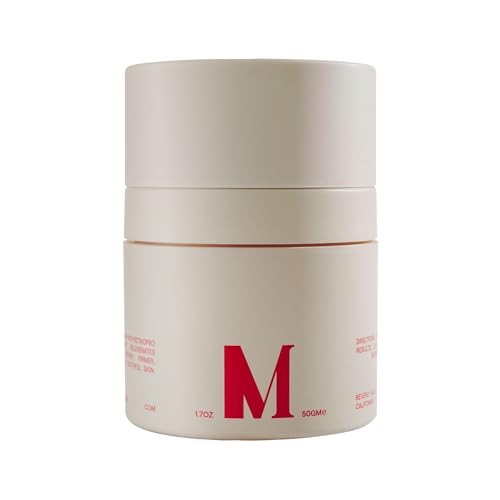
Clinical Grade, Multi-Modal Night Cream: The InstaFacial Emulsion is a nourishing night treatment formulated with potent retinoids and bioengineered growth factor. Retinoids accelerate cell turnover and stimulate collagen production, while growth factors signal skin repair cells (fibroblasts) to enhance collagen production and renewal. Together, they promote firmer, smoother, and healthier-looking skin more effectively than using either ingredient alone.

Smoother, More Refined Under Eye Look: Crafted to help refine the look of the delicate under eye area, this lightweight formula supports a smoother, lifted & refreshed appearance; helps visibly refine texture & promote a more energized look
Avoiding Skincare Mistakes in Later Years
How can older adults avoid common skincare errors that accelerate skin damage and discomfort? Experts emphasize limiting exfoliation to no more than once or twice weekly using mild products to prevent skin barrier disruption and heightened sensitivity. Consistently apply broad-spectrum sunscreen of at least SPF 30 every day, regardless of weather, to protect skin tone from UV-induced aging. Increase moisturizer richness, favoring formulations with hyaluronic acid and ceramides, to effectively combat dryness and reinforce the skin barrier. Adjust the care of your skin seasonally by switching products to meet fluctuating hydration needs. Dermatologist Dr. Smith advises, “Always avoid harsh treatments without professional guidance,” reinforcing that medical advice remains vital for safe skincare adaptation in later years. Using fragrance-free and non-comedogenic moisturizers can also minimize irritation while providing deep hydration. These steps safeguard older skin against premature deterioration and preserve a more even complexion.
Recommended Products

Clinically-Proven At-Home Treatment - The TRINITY+ microcurrent device with Red Light Wrinkle Reducer and Effective Lip & Eye Attachment uses the clinically proven benefits of microcurrent technology to provide a low-level electrical current, sending soft, gentle waves through the skin and down to the facial muscles. This customizable treatment tones, lifts & tightens for instant & long-term results anytime, anywhere.
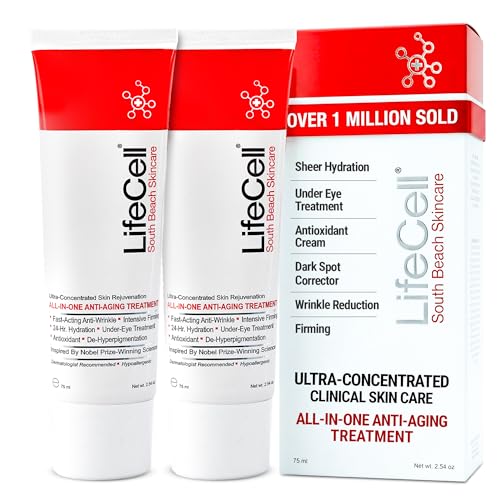
ANTI AGING CREAM - Lifecell All in One Anti Aging Treatment is dermatologist tested and proven to reduce the appearance of wrinkles, fine lines, skin discoloration, and other signs of aging
ANTI AGING CREAM - Lifecell All in One Anti Aging Treatment is dermatologist tested and proven to reduce the appearance of wrinkles, fine lines, skin discoloration, and other signs of aging
When to Seek Professional Dermatological Advice
When should older adults seek professional dermatological advice to maintain skin health? Experts recommend consulting a dermatologist whenever new spots appear, especially if they differ in color, shape, or size. Since skin becomes thinner with age, blood vessels become more visible and fragile, increasing the risk of bleeding or bruising. Immediate evaluation is necessary if any skin growths rapidly enlarge, bleed, or fail to heal. Persistent issues such as severe dryness or itchiness unresponsive to over-the-counter treatments also warrant professional assessment. Regular dermatological screenings help detect early skin cancer. Experts advise scheduling skin evaluations at least annually. Dermatologists provide personalized management plans by understanding its changing needs, including anti-aging treatments like retinoids and laser therapies, which require professional supervision for efficacy and safety. Additionally, some skin conditions, such as seborrheic dermatitis, may require ongoing treatment with effective active ingredients to manage symptoms in aging skin.
Recommended Products

Powerful Retinol Serum for Anti-Aging: Dynamic Skin Retinol Serum is a high-dose facial serum that reduces fine lines, wrinkles, and pores. With a 3.5% Retinoid Complex + Squalane, it smooths texture and evens skin tone while supporting the skin barrier.

Dull Skin, Uneven Tone, Fine Lines? Your skin may be running low on collagen, clarity, and energy. This formula targets aging signs at the root — while you sleep — with peptides, retinol, and antioxidant power.

ADVANCED RETINALDEHYDE FORMULA FOR ANTI-AGING CARE: DermAvance anti-aging face moisturizer with 0.15% Retinaldehyde is a powerful face wrinkle cream that helps reduce the look of fine lines, deep wrinkles, and uneven skin tone for youthful radiance.
Frequently Asked Questions
How to Improve Your Skin as You Age?
Improving skin as one ages involves consistent skincare routines with retinoids, diligent sun protection using broad-spectrum SPF, hydration habits incorporating moisturizers, and nourishing diets rich in antioxidants, vitamins, and healthy fats to enhance skin health and appearance.
What Are Three Ways People Can Adapt to the Changes That Occur During Aging?
People can adapt to aging by updating skincare routines with hydrating products, implementing dietary adjustments rich in antioxidants, and prioritizing sun protection to prevent further damage, thereby supporting healthier, more resilient skin over time.
How Do I Accept My Aging Face?
Like a weathered tree standing tall through seasons, one accepts an aging face by practicing self-love, embracing natural beauty, maintaining skincare routines, and cultivating a positive mindset, nurturing inner strength reflected in outward grace and confidence.
How to Reverse Skin Aging?
Reversing skin aging involves a consistent skincare routine combining anti-aging treatments like retinoids and professional therapies. Effective hydration strategies and healthy lifestyle choices, including sunscreen use and nutrition, further enhance skin renewal and reduce aging signs.