As an Amazon Associate, we earn from qualifying purchases. Some links on this site are affiliate links at no extra cost to you. Our recommendations are based on thorough research and editorial judgment.


How Hormones Affect Skin Throughout the Month

Hormonal cycles cause distinct skin changes; from days 1-6, reduced estrogen and progesterone cause dryness and dullness, necessitating fragrance-free moisturizers twice daily and avoiding abrasive treatments. Between days 7-11, rising estrogen boosts hydration and cell renewal, justifying gentle exfoliation twice weekly and hyaluronic acid serums. Days 17-28 see increased progesterone and testosterone, which raise oil production and acne risk, requiring 1%-2% salicylic acid serums and non-comedogenic moisturizers. Proper timing optimizes skin health effectively. Further insights clarify these adaptations.
Key Takeaways
- Estrogen rises in the follicular phase, improving skin hydration, texture, and collagen production for a glowing, youthful appearance.
- During ovulation, peak estrogen and testosterone levels typically clear the skin and reduce acne.
- The luteal phase’s progesterone surge increases oil production, raising the risk of hormonal acne, especially around the chin and jawline.
- Menstrual phase hormonal drops cause skin dryness and dullness, requiring extra moisturization and avoidance of abrasive skincare.
- Stress-induced cortisol spikes worsen oiliness and acne; managing stress and diet supports hormonal balance and healthier skin.
Hormonal Fluctuations and Their Impact on Skin

You may be interested
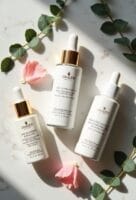


Although hormonal fluctuations during the menstrual cycle are natural, they greatly influence skin condition and require targeted skincare adjustments. Estrogen levels rising before ovulation increase cell turnover and hydration, suggesting this period is ideal for skincare treatments such as chemical peels and facials to enhance radiance. Conversely, during the luteal phase, elevated progesterone and testosterone boost oil production, frequently causing hormonal acne concentrated on the chin and jawline. Experts recommend oil-free, non-comedogenic moisturizers and gentle cleansers to manage excess oil effectively. Address these skin changes by applying salicylic acid treatments to unclog pores and reduce inflammation. Maintain consistency by adjusting routines throughout the cycle: amplify moisturizing during low estrogen phases and intensify acne-targeted therapies in the luteal phase to optimize skin health. Introducing retinoid treatments gradually during acne-prone phases can also improve skin texture and reduce breakouts with minimal irritation, especially when paired with hydrating ingredients.
Overview of the Menstrual Cycle Phases

Because each phase of the menstrual cycle involves specific hormonal changes, understanding these fluctuations is critical for effective skincare management. The menstrual cycle is divided into four phases: menstrual, follicular, ovulation, and luteal. During the follicular phase, rising estrogen enhances facial hydration and promotes ideal skin health through increased cell renewal. At ovulation, estrogen and testosterone peak, often leading to clearer skin and a more youthful appearance. The luteal phase brings increased progesterone and testosterone, causing oily skin and potential hormonal acne, particularly along the jawline. Experts recommend adjusting skincare routines accordingly: increase moisturizing products during low estrogen phases and introduce oil-controlling, non-comedogenic formulations during the luteal phase. Tracking these hormonal changes supports targeted interventions that maintain balanced skin throughout the menstrual cycle. Additionally, incorporating products with retinol treatments can help improve skin texture and manage acne triggered by hormonal fluctuations.
Skin Changes During Days 1-6 of the Cycle

Hormonal fluctuations during Days 1-6 of the menstrual cycle cause significant declines in estrogen and progesterone, resulting in skin dryness and a dull complexion. During this time, reduced hormone levels lower oil production, increasing dryness and sensitivity. Experts recommend to moisturize skin twice daily using a fragrance-free, hypoallergenic cream containing ceramides to restore the skin barrier effectively. Avoid abrasive treatments such as waxing or shaving to prevent irritation, which heightened prostaglandin levels may worsen. Dermatologist Dr. Lee advises, “Use gentle cleansers free from sulfates to minimize sensitivity and irritation.” Monitor skin closely for signs of redness or discomfort. These changes require increased hydration and protective measures, ensuring the skin remains balanced throughout this hormonally active phase. Proper care during Days 1-6 mitigates dryness and supports overall skin health. Incorporating products with ceramides and niacinamide can further strengthen the skin barrier and reduce inflammation during this time.
Skin Transformation From Days 7-11
As estrogen levels rise between Days 7 and 11 of the menstrual cycle, skin experiences increased hydration, improved texture, and enhanced clarity. Elevated estrogen levels stimulate accelerated cell turnover, which removes dead skin cells and promotes a youthful glow. Experts recommend scheduling professional facials or chemical peels during this phase to maximize rejuvenation, as the skin is more receptive. Hydration boosts skin elasticity, making the skin feel plump and resilient. Additionally, rising hormones reduce inflammation and irritation, resulting in fewer blemishes and a visibly healthier appearance. To maintain ideal skin texture, apply hydrating serums with hyaluronic acid daily, and use gentle exfoliants no more than twice a week. This approach supports the natural hormonal cycle, enhancing overall skin quality efficiently and safely during Days 7-11. Incorporating a barrier repair serum can further protect and strengthen the skin’s moisture barrier during this receptive phase.
Effects on Skin Between Days 12-16
During Days 12 to 16 of the menstrual cycle, increasing estrogen levels enhance skin hydration, elasticity, and cell renewal, creating an ideal window for targeted treatments. Estrogen levels peak, improving moisture retention and accelerating cell turnover to promote clearer, healthier skin. Experts recommend scheduling facials or chemical peels in this phase to maximize benefits. Apply gentle exfoliation to assist the natural renewal process without triggering irritation. The hormonal changes reduce inflammation and result in less breakouts; consequently, avoid heavy, comedogenic products that could disturb this balance. Follow these steps: cleanse twice daily with a mild, pH-balanced cleanser; use a hydrating serum containing hyaluronic acid; and finish with a non-comedogenic moisturizer. Prioritize SPF protection during skin treatments to prevent photo-damage in this sensitive phase. For optimal hydration and barrier support during this period, consider incorporating a hyaluronic acid serum known for deep moisture retention and skin barrier strengthening.
Hormonal Influence on Skin From Days 17-24
Following the estrogen-driven phase of Days 12 to 16, the period between Days 17 and 24 features decreasing estrogen coupled with rising progesterone and testosterone levels. These hormonal changes increase oil production, causing excess sebum buildup in pores. Consequently, hormonal acne frequently appears around the chin and jawline. Elevated progesterone levels also heighten skin sensitivity and can exacerbate existing acne. Experts advise incorporating targeted treatments such as masks with 2% salicylic acid or beta hydroxy acid to clear pores and reduce inflammation. Adjust skincare routines to emphasize gentle cleansing twice daily and oil control with non-comedogenic moisturizers. Avoid harsh scrubs to prevent irritation. Dermatologists stress tracking hormonal cycles to anticipate flare-ups and tailor treatments accordingly, ensuring skin maintains balance during this volatile phase. Using a non-comedogenic moisturizer can help maintain hydration without aggravating acne during this time.
Skin Condition in the Final Days: Days 25-28
Hormonal fluctuations during Days 25 to 28 trigger a rise in progesterone and testosterone while estrogen declines, causing increased sebum production and a higher risk of breakouts. Experts advise recognizing this phase as a peak time for skin oiliness and hormonal acne, especially around the chin and jawline. Skincare must prioritize gentle cleansers with low pH to avoid irritation. A twice-daily wash using a mild, non-comedogenic formula supports pore clarity without disrupting hydration. Incorporate topical treatments containing 1-2% salicylic acid or beta hydroxy acid to reduce clogged pores and breakouts efficiently. Maintain consistent hydration with lightweight, water-based moisturizers that reinforce the skin barrier. “Adjust your routine now to control excess oil and prevent persistent inflammation,” dermatologists recommend. Avoid abrasive scrubs or harsh ingredients that worsen sensitivity during this hormonal stage. For best results, select serums within the recommended salicylic acid concentration range of 1%-2% to minimize irritation while maximizing exfoliation benefits.
Key Hormones Affecting Skin Health Monthly
The monthly fluctuations of estrogen, progesterone, and testosterone distinctly influence skin health, requiring targeted skincare adjustments for each hormone’s effects. Estrogen levels rise during the follicular phase, enhancing collagen production and strengthening the skin barrier, which demands hydrating and antioxidant-rich skin care products. Post-ovulation, progesterone increases sebum secretion, often causing oily skin; experts advise switching to non-comedogenic, oil-controlling formulations. Testosterone, peaking intermittently, also stimulates sebum production, exacerbating hormonal imbalances and acne risks. Dermatologist Dr. Lee recommends:
- Monitor menstrual cycles closely to anticipate skin changes.
- Use gentle exfoliants to prevent clogged pores during high testosterone phases.
- Reinforce the skin barrier with ceramide-containing moisturizers to combat dryness after progesterone peaks. Tailored regimes guarantee the best skin condition despite fluctuating hormone levels. For persistent hormonal acne, De La Cruz Sulfur Ointment offers effective spot treatment to reduce cystic breakouts.
Common Skin Issues Linked to Hormonal Changes
Although hormonal fluctuations are natural, they trigger distinct skin issues that must be addressed through precise interventions. During the menstrual cycle, shifts in estrogen and progesterone cause changes such as dryness early on, due to reduced sebum, followed by increased oiliness of the skin in the luteal phase. Elevated testosterone stimulates sebaceous glands, producing excess oil and acne lesions, especially around the chin and jawline. Experts advise recognizing these hormonal skin patterns to manage outbreaks efficiently. Note increased oiliness and clogged pores require non-comedogenic cleansers and targeted treatments. Address dryness with hydrating products rich in humectants when estrogen declines. Monitor overall skin condition daily to adjust care as hormones fluctuate. “Treatments must adapt to cyclical skin alterations,” dermatologists emphasize, underscoring the importance of timing in skincare routines tied to the menstrual cycle. Additionally, maintaining proper skin hydration and using products with clinically validated ingredients can significantly support skin health during these hormonal changes.
Effective Skincare Strategies for Each Cycle Phase
When skin care aligns with menstrual cycle phases, treatment efficacy improves considerably by addressing specific hormonal impacts on skin texture and sensitivity. Experts advise focusing on hydration during the menstrual phase (Days 1-6) to combat dryness and avoid harsh actions like waxing due to increased sensitivity. The follicular phase (Days 7-16) benefits from using gentle exfoliants or scheduling facials, leveraging rising estrogen to improve skin glow. Post-ovulation (Days 17-28) calls for incorporating salicylic acid or beta hydroxy acid products to help reduce hormonal acne caused by progesterone and testosterone fluctuations. Throughout the luteal phase, maintain skin by adopting gentler routines with minimal heavy makeup use. Tracking changes in the skin enables timely adjustments; if issues persist, consult a dermatologist to tailor a healthy lifestyle and skincare plan aligned with hormonal cycles. Additionally, choosing rich moisturizers containing ingredients like ceramides and hyaluronic acid can help maintain optimal hydration during phases when the skin tends to be drier.
Role of Stress and Lifestyle on Hormonal Skin Health
Because elevated cortisol levels from chronic stress directly impact skin health, managing stress must become a priority in hormonal skincare regimens. Increased cortisol elevates oil production, causing oilier skin and worsening acne while impairing barrier function, which leads to dryness and irritation. Experts recommend daily stress management techniques such as yoga or meditation for at least 15 minutes to stabilize hormones. Incorporate regular exercise—30 minutes, five times weekly—to improve circulation and hormonal balance. Dietary habits matter; avoid excess sugars and processed foods that disrupt hormonal skin health and promote breakouts. Include antioxidant-rich foods like berries and leafy greens to reduce oxidative stress. Dermatologist Dr. Patel advises, “Consistent lifestyle adjustments can prevent hormonal fluctuations from triggering severe skin reactions,” underscoring the need to manage stress alongside topical treatments for ideal results.
Frequently Asked Questions
Can Hormonal Skin Changes Affect Hair Growth or Loss?
Hormonal skin changes can influence hormone hair growth cycles and loss patterns. Androgen effects often promote hair loss, while estrogen influence supports growth. Scalp health fluctuates accordingly; hormonal treatments may help regulate these variations.
Do Hormonal Fluctuations Impact Skin Aging Speed?
Hormonal fluctuations do influence skin aging speed by altering skin elasticity, reducing collagen production, and affecting moisture retention. These changes can intensify wrinkle formation, pigmentation changes, acne flare-ups, and inflammation response, collectively accelerating visible aging signs.
How Do Hormonal Contraceptives Alter Monthly Skin Cycles?
Hormonal contraceptives alter skin cycles by stabilizing oil production, reducing acne, and minimizing pigmentation changes. They can also regulate mood fluctuations, leading to more consistent breakout patterns and overall improvement in skin condition throughout the month.
Are There Foods That Mitigate Hormone-Related Skin Issues?
Much like a well-tuned engine runs smoothly, nutrient-dense foods rich in omega fatty acids, antioxidants, and probiotics support skin balance. Anti-inflammatory spices, hydration, and a whole foods diet collectively mitigate hormone-related skin issues effectively.
Can Hormonal Imbalances Cause Permanent Skin Damage?
Hormonal imbalance can cause permanent damage through acne scarring and disrupted skin barrier. Chronic inflammation response reduces skin elasticity, leading to long-term effects that may not fully reverse even after hormonal levels stabilize.


