As an Amazon Associate, we earn from qualifying purchases. Some links on this site are affiliate links at no extra cost to you. Our recommendations are based on thorough research and editorial judgment.


Understanding Redness: Causes and Management

Skin redness results from causes such as rosacea, broken capillaries, inflammatory conditions, or sunburn, each requiring targeted identification and treatment. Experts advise applying broad-spectrum SPF 30 sunscreen every two hours and avoiding irritants like harsh soaps. Prescription options include topical metronidazole or azelaic acid, while intense pulsed light therapy can reduce visible vessels. Monitor symptoms closely and consult a healthcare provider if redness persists beyond weeks or worsens. Continued guidance includes advanced diagnostic and therapeutic strategies.
Key Takeaways
- Skin redness can arise from rosacea, broken capillaries, inflammatory conditions, or sunburn, each requiring distinct diagnosis and treatment.
- Persistent or worsening redness, especially with discomfort, should prompt medical consultation for accurate assessment and management.
- Diagnosis involves physical exams, patient history, and sometimes allergy tests or biopsies to identify underlying causes precisely.
- Treatment options include topical medications, oral antibiotics, IPL or laser therapy, tailored to the redness type and severity.
- Consistent use of sunscreen, protective clothing, and gentle skincare with soothing ingredients helps prevent and reduce skin redness.
Common Causes of Skin Redness

You may be interested


Skin redness, medically known as erythema, arises from a range of causes that experts have identified as essential to understand for accurate diagnosis and treatment. Facial redness commonly results from rosacea, an inflammatory skin condition marked by persistent flushing and visible blood vessels, affecting over 16 million Americans. Broken capillaries, appearing as thin red or purple lines, frequently develop due to sun exposure, aging, or genetics. Inflammatory skin conditions such as psoriasis and eczema cause red, scaly patches, necessitating targeted treatment to reduce inflammation and restore skin barrier function. Experts emphasize limiting sun exposure to prevent sunburn, a painful redness with swelling that may cause long-term damage. Manage skin redness by avoiding harsh products, protecting the skin, and consulting a dermatologist for tailored treatment plans. Additionally, using hypoallergenic formulations can minimize irritation and redness in sensitive skin.
Identifying Symptoms and When to Seek Help

How can one distinguish harmless facial redness from symptoms indicating a serious condition? Experts advise closely monitoring skin redness, focusing on identifying symptoms such as red patches, visible blood vessels, and persistent redness lasting over several weeks. Note any sensation of warmth or irritation, especially if triggered by new skincare products or changes in environment. Dermatologists emphasize seeking medical advice promptly if redness causes discomfort, worsens over time, or if skin sensitivity appears unusually high. Immediate consultation is critical when redness is accompanied by severe pain, difficulty breathing, or vision changes. Patients should document recent use of topical agents and medications before appointments to aid diagnosis. Follow these steps: track symptom duration, avoid known irritants, and consult healthcare providers for any unexplained or persistent facial redness to guarantee appropriate evaluation and treatment. Incorporating calming ingredients like niacinamide and licorice extract in skincare routines may help soothe irritation and strengthen the skin barrier during management.
Differentiating Between Redness-Related Conditions
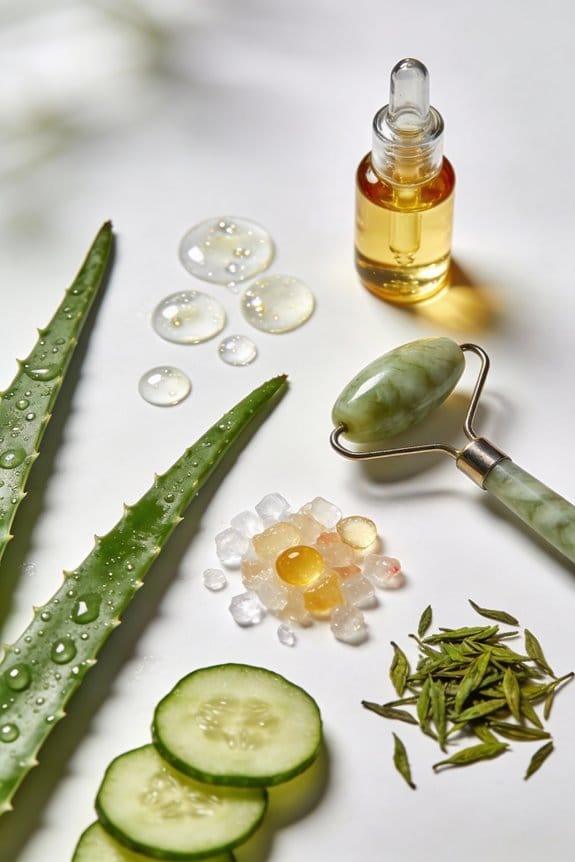
When evaluating facial redness, distinguish between similarly presenting conditions by carefully noting patterns, accompanying symptoms, and response to interventions. Differentiate rosacea by persistent redness with flushing and visible blood vessels, affecting over 16 million Americans. Identify seborrheic dermatitis via red, oily patches with scaly rashes on oily facial areas like the nose and eyebrows. Recognize contact dermatitis through localized redness that resolves once irritants are removed, confirming its allergic or irritant nature. Note that broken capillaries appear as thin red or purple lines and worsen due to sun exposure or genetics. Tailor the treatment plan based on understanding the underlying cause, focusing on symptom management. Experts advise clinicians prioritize accurate identification of redness to guarantee effective interventions for this common skin condition. Incorporating treatments containing sulfur and aloe vera can effectively reduce inflammation and soothe irritation associated with rosacea.
Diagnostic Approaches for Accurate Assessment
Effective evaluation of facial redness demands a thorough physical examination coupled with a detailed patient history. Dermatologists must inquire about recent skin care products, medications, or environmental exposures that might trigger allergic reactions or irritations. Employ tools such as the Redness Register to objectively quantify the severity of redness, assisting in distinguishing conditions like rosacea. When initial assessments remain inconclusive, conduct diagnostic tests including allergy panels or skin biopsies to identify hidden causes. Document symptom progression and possible triggers meticulously, as consistent records provide critical insights for diagnosis and future management. Experts emphasize, “Do not overlook subtle signs in patient history; they often reveal the condition’s root.” Detailed diagnostic approaches guarantee a precise understanding of redness, equipping healthcare providers to develop effective strategies while avoiding misdiagnosis or unnecessary treatments. Using azelaic acid treatments can aid in confirming the diagnosis by observing the skin’s response to targeted therapy.
Targeted Treatments for Various Redness Causes
Targeted treatments for facial redness should always address the underlying cause with appropriate interventions to control inflammation and vascular changes effectively. For rosacea, prescription topical treatments containing metronidazole or azelaic acid reduce inflammation and redness by modulating skin immune responses. Experts recommend oral antibiotics like doxycycline, 40 mg once daily, for severe cases to further reduce inflammation and prevent flare-ups. Intense Pulsed Light (IPL) therapy targets visible blood vessels by delivering light absorbed by hemoglobin, diminishing redness in 3–5 sessions spaced four weeks apart. Combination therapy, integrating topical agents, oral antibiotics, and IPL, achieves superior control of persistent redness. Topical treatments, including green-tinted moisturizers, provide immediate, cosmetic surface redness neutralization but do not replace medical management. Clinicians insist on tailored approaches to optimize efficacy and prevent symptom recurrence. Additionally, incorporating silicone-based treatments can support skin repair and reduce redness associated with scar healing.
Home Care and Lifestyle Adjustments
Although medical treatments play a critical role in managing facial redness, daily home care and lifestyle adjustments are essential to maintain skin barrier integrity and reduce flare-ups. Redness depend on skin type; consequently, establish consistent skincare routines using gentle, non-irritating cleansers suited for sensitive skin. Apply hydrating moisturizers and calming serums containing aloe or chamomile twice daily to soothe irritation effectively. Prioritize sun protection by applying broad-spectrum sunscreen of at least SPF 30 every morning and reapplying every two hours outdoors. Experts emphasize the importance of identifying and avoiding specific triggers such as extreme weather, spicy foods, or emotional stress, as these exacerbate redness. Incorporate stress-reducing activities like meditation to improve skin resilience. Incorporating moisturizers with oat seed water or panthenol can visibly soothe redness and support skin barrier health. Adhering to these guidelines mitigates flare-ups and supports overall skin health for individuals experiencing redness.
Managing Chronic Skin Redness
Managing chronic skin redness requires identifying underlying causes such as rosacea, broken capillaries, or heightened skin sensitivity, conditions that demand accurate professional diagnosis. Dermatologists emphasize avoiding irritating skincare products containing alcohol, fragrances, or harsh exfoliants, which worsen inflammation. Maintain a gentle routine with mild cleansers and moisturizers formulated for sensitive skin types. Professional treatments like IPL Photofacial therapy effectively reduce redness by targeting blood vessels, improving skin tone over multiple sessions spaced 3-4 weeks apart. Experts recommend regular dermatologist consultations to monitor symptom progression and adjust care plans accordingly. Consistent use of prescribed topical medications alongside professional treatments enhances outcomes. Note that over-the-counter remedies often exacerbate chronic skin redness due to unchecked ingredients. Prioritize skin sensitivity by selecting products tested for hypoallergenicity and stability. Applying Emergency Burn Gels can provide rapid relief in cases of acute skin irritation or minor burns that might worsen redness.
Preventing Redness Through Skin Protection
How can skin redness be effectively prevented through daily protection measures? Experts recommend applying a broad-spectrum sunscreen with an SPF of at least 30 every morning, reapplying every two hours to protect against sun damage, a common skin redness trigger. Wearing protective clothing, such as wide-brimmed hats and long-sleeved shirts, further reduces ultraviolet exposure that causes a red face. Establishing a consistent skincare routine is critical; use gentle, hydrating products that strengthen the skin barrier and reduce sensitivity. Avoid irritants like harsh soaps and alcohol-based products, which exacerbate inflammation. For preventing flare-ups, identify personal triggers such as extreme temperatures or allergens. Dermatologists emphasize, “Routine protection coupled with hydration creates a resilient skin surface, essential for minimizing redness and maintaining long-term skin health.” Incorporating serums with soothing ingredients like niacinamide and ceramides can further enhance barrier repair and reduce visible redness.
When to Consult a Dermatologist
Several signs indicate the necessity of consulting a dermatologist when facial redness persists or worsens despite standard care. A dermatologist will help determine the cause of your skin redness by examining the skin’s surface and evaluating symptoms. Seek professional advice if redness appears with severe cases, including pain, swelling, or vision changes, which suggest urgent evaluation. Other signs include itching, flaking, oozing, or redness after starting new medications or skincare products. These may indicate a condition that causes allergic reactions or infections requiring treatment. Experts recommend timely consultation to diagnose different conditions such as rosacea or broken capillaries. Early intervention can encourage healing through tailored treatments like topical medications or laser therapy, preventing complications and improving skin health. It is also advisable to discuss the use of fragrance-free serums with your dermatologist, as they can help soothe sensitive skin without causing further irritation.
Frequently Asked Questions
Can Dietary Changes Reduce Facial Redness Effectively?
Dietary changes can reduce facial redness by avoiding dietary triggers like sugar and caffeine, incorporating anti-inflammatory foods and omega-3s, emphasizing hydration, addressing food sensitivities, and supporting gut health, thereby mitigating inflammation and skin irritation effectively.
How Does Stress Influence Persistent Facial Redness?
Stress triggers an emotional response that elevates cortisol levels, causing skin inflammation and dilation of blood vessels, which intensifies persistent facial redness. Effective treatment options include coping strategies and relaxation techniques to manage stress-induced flare-ups.
Are There Specific Skincare Ingredients to Avoid With Redness?
Specific skincare ingredients to avoid with redness include harsh exfoliants, fragrance irritants, alcohol-based products, synthetic dyes, sulfates due to sensitivity, essential oils, retinoids with caution, and strong acid treatments that can exacerbate irritation.
Can Makeup Worsen or Help Camouflage Facial Redness?
Nearly 60% of individuals with facial redness find makeup beneficial. Proper makeup types, color theory, and application techniques provide coverage options and temporary relief, but skin sensitivity and ingredient knowledge determine whether makeup worsens redness or offers long-term effects.
Is Facial Redness Hereditary or Linked to Genetics?
Facial redness often involves a genetic predisposition supported by dermatological studies and twin studies, indicating familial connections. Inherited conditions, gene mutations, ethnic factors, and skin sensitivities also contribute, emphasizing the complex genetic influence on redness expression.


