As an Amazon Associate, we earn from qualifying purchases. Some links on this site are affiliate links at no extra cost to you. Our recommendations are based on thorough research and editorial judgment.


The Correct Order for Applying Skincare Products

The correct skincare application begins with cleansing using a gentle, pH-balanced cleanser to remove impurities. Follow with an alcohol-free, hydrating toner applied gently with a cotton pad to restore pH balance. Layer lightweight serums from thinnest to thickest, allowing full absorption before adding thicker products. Target spot treatments go directly on blemishes pre-moisturizer. Finish morning routines with a broad-spectrum, SPF 30+ sunscreen, applying a nickel-sized amount. Evening care includes restorative treatments and moisturizers. Further guidance refines customization by skin type and step timing.
Key Takeaways
- Start with cleansing to remove impurities, ensuring better absorption of all subsequent skincare products.
- Apply toner or astringent next to restore pH balance and prepare skin for moisturizers.
- Use lightweight serums first, layering from thinnest to thickest consistency to maximize efficacy.
- Spot treatments should be applied after cleansing or toning, avoiding layering other products on treated areas until absorbed.
- Finish morning routines with a broad-spectrum sunscreen to protect against UV damage and environmental stressors.
The Importance of Product Application Order

You may be interested



Why is the order of skincare product application essential for ideal results? Experts emphasize following the correct order in your skincare routine to maximize product efficacy. Apply your skin care starting with thinner products—like water-based serums containing active ingredients—before moving to thicker products such as creams or oils. This sequence guarantees better absorption and penetration, especially for targeted treatments acting on sensitive skin. Dermatologists recommend applying serums immediately after cleansing or toning to allow active ingredients to work effectively without barriers. Incorrect layering may disrupt the skin’s pH balance, reducing treatment effectiveness. Additionally, always finish with sunscreen during morning routines to shield skin from UV damage. Adherence to this regimen prevents exacerbating aging signs and maintains skin health with scientifically supported practices. Including occlusives and emollients like those found in balm moisturizers at the end of your routine helps lock in moisture for all-day hydration.
Step 1: Cleansing Your Skin

Following the correct order of product application begins with cleansing, which removes makeup, dirt, and excess oil to create a clean surface. Experts mandate cleansing twice a day—morning and evening—to prevent clogged pores and maintain skin health. Use a gentle, hydrating cleanser, preferably soy pH-balanced, to avoid irritation while effectively removing impurities. Apply a generous amount, then massage gently in circular motions ensuring all makeup and excess oils dissolve fully. Rinse thoroughly with lukewarm water or wipe with a damp cloth. Significantly, patting the skin dry with a soft, clean towel preserves the skin barrier and prevents irritation. Do not rub. Proper cleansing primes the skin for ideal absorption of subsequent skin care products, enhancing their efficacy and supporting overall skin hydration and balance.
Step 2: Applying Toner or Astringent
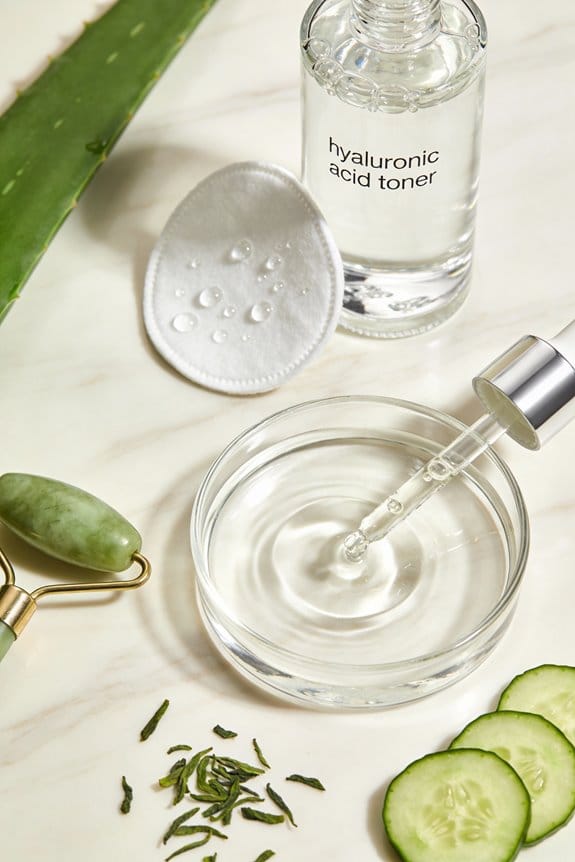
Although applying toner or astringent is an optional step after cleansing, experts recommend it to complete the removal of residual impurities and restore the skin’s natural pH balance. Select alcohol-free toners especially suited for sensitive skin types, as alcohol can worsen dryness and irritation. Toners enriched with hydrating agents like hyaluronic acid help replenish moisture for dry skin, while astringents with salicylic acid or witch hazel target oily or acne-prone skin. To apply, soak one cotton pad with 2-3 mL of product, then gently pat the face, avoiding rubbing that can cause irritation. Dermatologist Dr. Lee advises, “Ensuring the skin’s pH balance optimizes its barrier function and preps the skin for subsequent moisturizing steps.” This step improves toner efficacy and enhances the skin’s overall condition. Using a toner with hydrating ingredients such as hyaluronic acid and ceramides can further support and restore the skin barrier.
Step 3: Using Serums and Treatments
When applying serums and treatments, prioritize lightweight, water-based formulations that deliver concentrated active ingredients directly after cleansing and toning to maximize absorption. Use a pea-sized amount and gently pat onto face and neck to enhance penetration. Begin layering serums in order of consistency, applying thinner formulations—like vitamin C serums—before thicker ones for improved efficacy. Include ingredients such as niacinamide for oil control or AHAs for exfoliation, but exercise caution with sensitive skin to avoid irritation. Allow each serum to absorb fully before applying moisturizers to prevent dilution of active compounds. Experts warn that improper layering disrupts absorption, reducing benefits. “Serums should never replace moisturizers or sunscreen,” dermatologists assert. Always finish routine with applying sunscreen during daytime to protect treated skin and maintain overall efficacy. It is also recommended to perform a patch test before introducing new niacinamide serums to avoid adverse reactions.
Step 4: Targeted Spot Treatments
Apply targeted spot treatments immediately after cleansing or toning to guarantee maximal absorption of active ingredients. Experts recommend using products containing benzoyl peroxide or salicylic acid for acne-prone areas, applying a small amount—roughly grain-of-rice size—directly on blemishes. Use clean fingers to prevent contamination and promote precise application without spreading to surrounding skin, which reduces the risk of irritation. To enhance effectiveness, avoid layering serums or heavier creams over treated spots until the product fully absorbs, promoting ideal absorption. Consistent use is critical; integrate spot treatments into the routine as needed while monitoring for any adverse reactions. Follow these guidelines strictly to achieve the desired results, maintaining skin health and treatment efficacy over time, as dermatologists widely affirm. For ongoing management of acne, many dermatologists also recommend applying a pea-sized amount of adapalene gel once nightly as part of a comprehensive skincare regimen.
Step 5: Eye Cream Application Techniques
Several precise steps must be followed when applying eye cream to protect the surrounding delicate skin and enhance absorption. Use your ring finger to apply a pea-sized amount of eye cream, as it exerts minimal pressure, reducing irritation risk. Gently dab along the orbital bone, avoiding the eyeball itself, to target puffiness and dark circles effectively. Experts emphasize patting rather than rubbing to absorb the product fully and stimulate circulation without stretching the skin. After application, allow the eye cream to completely absorb before proceeding with other skincare products or makeup, preventing pilling or product interference. Consistent twice-daily application, morning and evening, optimizes benefits. These application techniques guarantee effective treatment of aging signs while safeguarding the fragile tissue around the eyes. Choosing a fast-absorbing, non-greasy formula helps ensure the eye cream blends well with makeup and provides immediate hydration.
Step 6: Layering Face Oils and Moisturizers
Following thorough eye cream application, focus shifts to the strategic layering of face oils and moisturizers, a critical step for ideal skin hydration and barrier support. Experts recommend applying lighter, water-based moisturizers first to guarantee swift absorption and effective hydration. Follow with a compatible face oil, containing hypoallergenic ingredients such as jojoba or squalane, to lock in moisture and enhance nourishment. Select products based on skin type to avoid irritation; oily skin benefits from lighter formulations, while dry skin may require cream-based moisturizers at night. Wait three to five minutes between applications to allow full absorption. Avoid mixing incompatible products that may cause breakouts. Proper layering supports a balanced skin barrier, optimizing hydration without pore clogging, essential for maintaining healthy, resilient skin. Incorporating key hydration ingredients like hyaluronic acid and pro-vitamin B5 in your moisturizer can significantly enhance skin moisture retention.
Step 7: The Critical Role of Sunscreen
Why is sunscreen the indispensable final step in a morning skincare routine? Sunscreen must be applied last to create an effective barrier protecting skin from harmful UV rays. Experts recommend using a broad-spectrum SPF 30 or higher to shield against both UVA and UVB radiation. To guarantee adequate coverage, apply approximately a nickel-sized amount per square centimeter of skin. Reapplication is critical every two hours, especially after sweating or swimming, to maintain continuous protection. Note that chemical sunscreens require about 15 minutes post-application to become effective, whereas mineral sunscreens offer immediate protection. Skincare routine guidelines emphasize sunscreen application as the final step to maximize defense against photoaging and skin damage. Consistent use of sunscreen remains the cornerstone of any evidence-based daily skin protection strategy. Choosing a broad-spectrum formula ensures protection from both UVA and UVB rays essential for comprehensive skin defense.
Step 8: Morning vs. Evening Routine Differences
A thorough skincare regimen demands distinct approaches for morning and evening routines, as each addresses unique skin needs and environmental exposures. Begin the morning routine with gentle cleansing to remove overnight oils, then apply a lightweight moisturizer paired with broad-spectrum sunscreen for essential UV protection. Experts advise using serums focused on hydration to prepare the skin for daily stressors. Conversely, the evening routine requires a double cleansing method—oil-based followed by water-based cleansers—to remove makeup and impurities thoroughly. Proceed with exfoliation or targeted treatments such as retinol to promote cell turnover and repair. At this stage, richer serums support restorative functions during sleep. Conclude the evening by applying a nourishing moisturizer to maintain hydration and skin barrier integrity. Note: never skip sunscreen in the morning to prevent cumulative UV damage. Choosing products with an appropriate SPF rating ensures effective daily protection.
Customizing Your Skincare for Your Skin Type
Since skin responds uniquely to different conditions and products, customizing skincare routines according to individual skin types is indispensable for peak results. Experts emphasize prioritizing hydrating ingredients such as hyaluronic acid and rich moisturizers for dry skin, while oily skin benefits from lightweight, oil-free gels containing salicylic acid. Sensitive skin requires fragrance-free, alcohol-free products to minimize irritation. For aging skin, incorporate antioxidants like vitamin C and retinol to enhance collagen production and improve texture. Exfoliation frequency must adjust to skin sensitivity: oily skin tolerates 2–3 times weekly, whereas sensitive or dry skin demands less frequent application. Always select broad-spectrum sunscreens with SPF 30 or higher, tailored to your skin type to avoid dryness or oiliness. Proper customizing according to these parameters guarantees peak skincare efficacy and skin health maintenance. Incorporating peptide serums can further enhance skin elasticity and hydration, making them a valuable addition to many routines due to their anti-aging benefits.
Frequently Asked Questions
What Is the Correct Order of Applying Skincare?
The correct order begins with cleansing methods suited for oily or dry skin, followed by exfoliation techniques. Apply combination products or serums targeting aging concerns, then moisturizer types, ending with SPF application in the morning or night routine steps.
What Is the 4 2 4 Rule in Skincare?
The 4 2 4 method structures skincare cleansing steps for maximum double cleanse advantages, enhancing moisturizer absorption techniques. Ideal skincare timing adjusts for skin type variations, emphasizing nighttime routine importance, active ingredients benefits, and exfoliation frequency guidelines to maintain healthy skin.
What Are the 7 Steps of a Skincare Routine?
The seven steps include cleanser types for cleansing, toner function for balancing, exfoliation importance, serum selection for targeted treatment, moisturizer benefits, sunscreen necessity for protection, and eye cream, with night routine and skin type adaptations considered.
Which Two Serums Cannot Be Used Together?
Serum interactions are like conflicting dance partners; Vitamin C and Retinol should not be combined due to increased skin sensitivity and reduced retinol effects. Including hyaluronic acid and niacinamide benefits requires careful layering techniques and patch testing.