As an Amazon Associate, we earn from qualifying purchases. Some links on this site are affiliate links at no extra cost to you. Our recommendations are based on thorough research and editorial judgment.

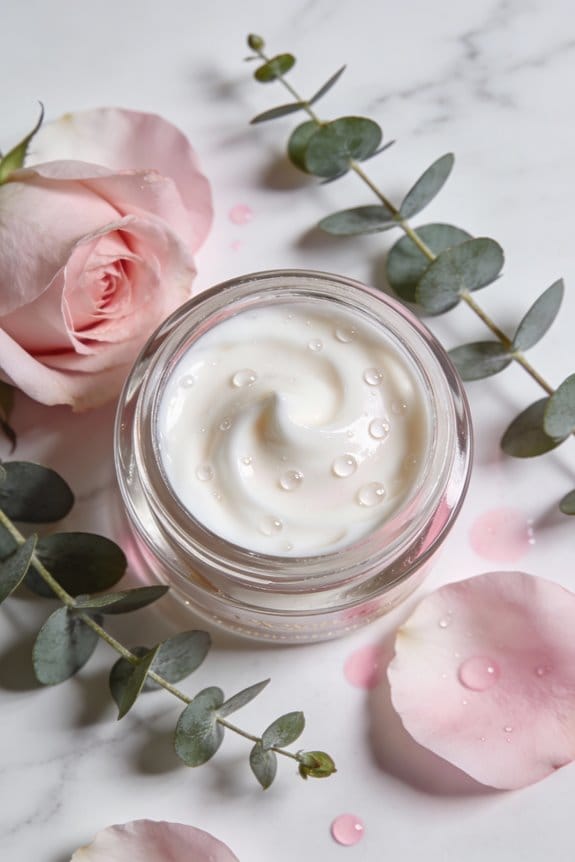
How Moisturizers Help With Skin Texture

Moisturizers enhance skin texture by restoring essential hydration and reinforcing the skin’s barrier with ceramides to prevent water loss. Experts recommend applying moisturizer within three minutes post-cleansing to lock in moisture effectively. Key ingredients include hyaluronic acid for water binding, niacinamide for collagen support, and occlusives for protection against environmental damage. Selection should match skin type: creams for dry skin, gels for oily. Consistent twice-daily use is critical. Further insights explore complementary treatments and application techniques.
Key Takeaways
- Moisturizers hydrate skin cells, preventing dryness and flakiness that cause rough texture.
- Humectants like hyaluronic acid attract water, maintaining skin smoothness and elasticity.
- Ceramides in moisturizers restore the skin barrier, reducing moisture loss and improving texture.
- Emollients such as niacinamide soften skin and boost collagen for firmer, smoother appearance.
- Consistent moisturizer use immediately after cleansing supports long-term texture improvement and protection.
The Role of Hydration in Skin Texture

You may be interested


Since hydration directly influences skin texture, maintaining sufficient moisture levels is essential for preventing dryness and flakiness, which cause rough and uneven appearance. Experts emphasize the use of moisturizers containing humectants like hyaluronic acid, which actively bind water molecules to skin cells, promoting a plump, smooth appearance. To enhance moisture retention, apply moisturizers immediately after bathing, within three minutes, to lock in hydration and prevent transepidermal water loss. Tailor the moisturizing routine according to skin type: creams suit dry skin by providing occlusion, while gel-based formulations benefit oily or combination skin through lightweight hydration. Inadequate hydration exacerbates uneven skin texture and can worsen conditions such as acne or sensitivity. Consistent use of appropriately formulated moisturizers is imperative for restoring ideal hydration and achieving visibly smoother skin texture. Including ingredients such as peptides and vitamins B5 and E can also help support collagen and soothe sensitive skin, further improving skin texture.
How Moisturizers Protect the Skin Barrier

Maintaining ideal hydration levels directly supports the skin’s protective barrier, which regulates moisture retention and shields against irritants. Moisturizers containing ceramides restore this barrier by replenishing lipids essential for reducing water loss. Experts recommend selecting products rich in humectants like glycerin or hyaluronic acid, which draw water into the skin, enhancing hydration. Additionally, moisturizers with occlusive ingredients such as petrolatum form a protective film that prevents environmental damage and further water evaporation. When the skin barrier is compromised, irritation and rough skin texture worsen, emphasizing the need for consistent use of barrier-repairing moisturizers. Follow these steps: apply moisturizer on damp skin to maximize absorption, use twice daily to maintain barrier integrity, and avoid harsh cleansers that strip lipids. This regimen strengthens the skin barrier, reduces irritation, and improves skin texture effectively. Including antioxidants like niacinamide in moisturizers can further enhance barrier function and reduce inflammation.
Recommended Products

[CERAMIDE-BARRIER COMPLEX FOR DRY, SENSITIVE SKIN] Formulated with 1.5% Ceramide, 0.5% Cholesterol, and 1.5% Fatty Acids to help support a weakened skin barrier, replenish moisture, and improve skin comfort for dry, sensitive skin.

Dual-Action - Repair & Long-Lasting Hydration For Face & Neck: Restores skin’s natural protective barrier in just 1 hour while delivering powerful 48-hour moisture for a healthier, rebalanced complexion

REVOLUTIONARY MULTI-CERAMIDE COMPLEX: Our innovative formula features plant-sourced Ceramides, structurally akin to those your skin naturally. Its multi-molecular phytoceramide blend, which effectively achieves a more intricate and comprehensive reinforcement of the skin barrier, leads to a significantly stronger defense system against irritants.
Choosing the Right Moisturizer for Your Skin Type

When selecting a moisturizer, identify the skin type clearly, as each requires distinct formulations to optimize hydration without causing adverse effects. For dry skin, use a thick cream or ointment that contains ceramides, which restore the skin barrier effectively. Oily skin demands lightweight gel moisturizers to prevent excessive oiliness. Sensitive skin requires fragrance-free options with minimal ingredients to avoid irritation. Combination skin benefits from a targeted approach: apply moisturizer generously to dry areas and use lighter lotions or none on oily zones. Always choose products with hydrating ingredients like hyaluronic acid, which attracts moisture. Experts advise applying moisturizer immediately after cleansing to lock in hydration, markedly improving overall skin texture. This disciplined application maintains smoothness and protects skin integrity across various skin types. Moisturizers featuring ceramides and hyaluronic acid are particularly effective in reinforcing the skin barrier and enhancing moisture retention.
Recommended Products

[Up to 120 Hours of Deep Hydration] Powered by 10 types of Hyaluronic Acid to deliver lasting hydration and visibly plump skin.

Designed for Sensitive Skin: Vanicream is the #1 Dermatologist Recommended Brand for Sensitive Skin*. Carefully formulated to be non-comedogenic, this moisturizer helps support skin prone to sensitivity or eczema
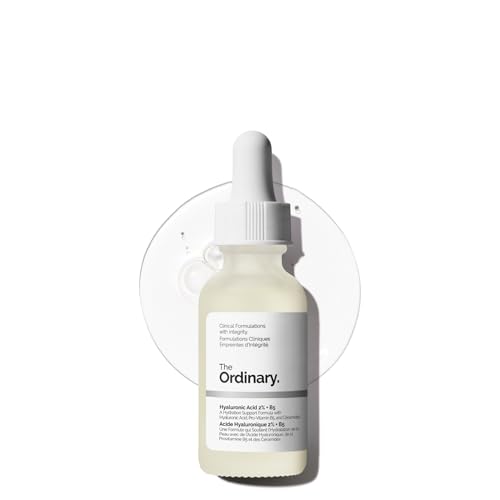
INSTANT HYDRATION: Provides immediate, long-lasting hydration for smoother, plumper, and healthier-looking skin.
Key Ingredients in Moisturizers That Enhance Texture
Effective moisturizers rely on specific ingredients that directly improve skin texture by regulating hydration, barrier function, and structural integrity. Incorporate humectants like hyaluronic acid and glycerin, which attract external moisture to maintain ideal hydration. Use emollients such as niacinamide and squalane to soften rough surfaces, promoting smoothness and uniform texture. Occlusives, including ceramides and natural oils, establish a protective seal that prevents water loss and strengthens skin barrier function. Experts recommend selecting formulas with niacinamide, as it enhances collagen production, reinforcing firmness and youthful skin texture. Apply moisturizers with these key moisturizing ingredients consistently, as this clinically supports barrier restoration and texture refinement. Avoid products lacking these components, since they may fail to adequately address structural skin concerns or increase vulnerability to external irritants. Additionally, combining moisturizers with collagen peptides can further stimulate skin renewal and improve elasticity for a radiant complexion.
Recommended Products
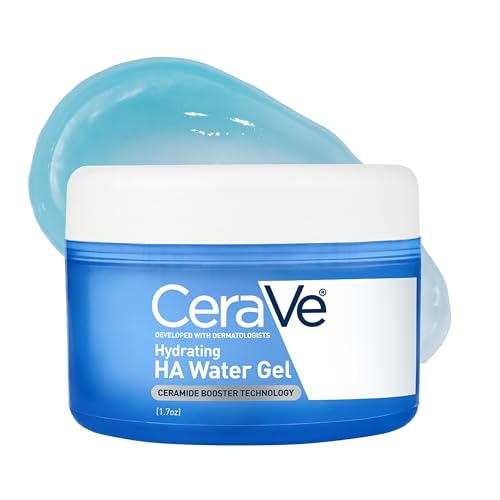
[ LONG-LASTING HYDRATION ] Provides 3 days of plumping hydration in 3 seconds, formulated with 3 essential ceramides, hyaluronic acid, Ceramide Booster Technology, and MVE Delivery Technology for up to 72 hours of controlled-release moisture, ensuring refreshed, and nourished skin all day long.
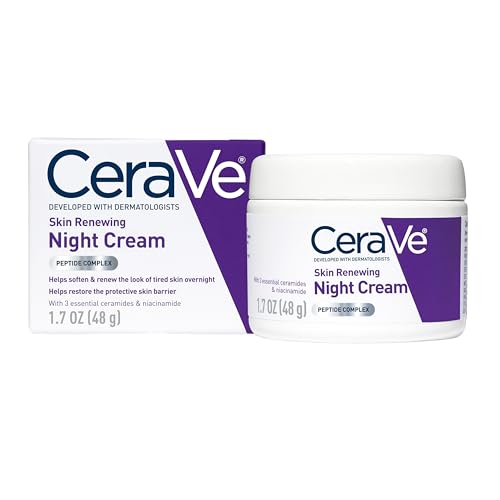
[ PEPTIDE COMPLEX ] Help reduced the look of fine lines and wrinkles while supporting skin elasticity

DAILY FACIAL MOISTURIZER: This moisturizing face cream delivers a powerful boost of hydration to nourish and plump skin for a firmed-up, bouncy complexion with a luminous finish that lasts all-day and feels soft.
Benefits of Moisturizing on Dry and Flaky Skin
Since dry and flaky skin results from a compromised barrier losing moisture rapidly, clinicians strongly advise applying moisturizers with hydration-supporting ingredients like ceramides and hyaluronic acid to restore balance. These components enhance barrier function by retaining water and preventing evaporation, effectively improving skin texture. Experts recommend applying moisturizers on clean, damp skin immediately after bathing to lock in hydration, using emollient-rich formulas specifically suited for dry skin. Incorporate moisturizers into the daily routine twice a day, ensuring consistent application to reduce flakiness and promote softness. Dermatologists emphasize selecting products with a balanced concentration of ceramides and hyaluronic acid, which support skin plumpness and repair. Failure to adhere to these guidelines risks persistent dryness and texture irregularities, underscoring moisturizers’ critical role in managing dry and flaky skin effectively. Additionally, choosing fragrance-free formulations can minimize irritation and benefit sensitive skin during moisturizing routines.
Impact of Moisturizers on Oily and Acne-Prone Skin
Moisturizers designed for oily and acne-prone skin must consistently be lightweight, non-comedogenic, and formulated to provide hydration without adding excess oil or clogging pores. Experts recommend using moisturizers with salicylic acid, which exfoliates dead cells and reduces oil, helping improve skin texture. Employ gel-based formulations containing hyaluronic acid to maintain hydration without heaviness, balancing oily skin effectively. Hydration is essential, as it suppresses excess oil production and minimizes acne breakouts. Include antioxidants like niacinamide to soothe inflammation, enhance skin clarity, and support texture improvement. Dermatologists emphasize: “Always choose non-comedogenic products when treating acne-prone skin, as pore blockage worsens breakouts.” Follow usage directions precisely—apply moisturizers twice daily on clean skin to optimize benefits for oily and acne-prone skin types, ensuring sustained texture refinement and clarity. Additionally, selecting products with salicylic acid concentrations around 2% can maximize exfoliation benefits while preventing irritation.
How Consistent Moisturizing Promotes Radiant Skin
A consistent moisturizing regimen fortifies the skin’s protective barrier by preventing excessive water loss, which is critical for maintaining hydration and improving skin texture. Experts emphasize daily use of moisturizers enriched with ceramides and hyaluronic acid to sustain ideal hydration, enhance skin elasticity, and reduce flakiness. Dermatologist Dr. Lee advises, “Apply moisturizers immediately after cleansing or bathing, while skin is damp, to maximize absorption of hydrating ingredients.” Consistent moisturizing not only supports the skin barrier but also smooths rough surfaces and diminishes fine lines, promoting radiant skin. Follow these steps for best results: cleanse thoroughly, gently pat dry, apply a pea-sized amount of moisturizer with ceramides and hyaluronic acid, and repeat twice daily. Neglecting routine moisturizing risks diminished hydration and uneven skin texture over time. Incorporating products with retinol and peptides can further boost collagen production and improve firmness for enhanced skin texture.
Combining Moisturizers With Other Skin Treatments
Numerous skin treatments achieve ideal results when combined with moisturizers designed to support hydration and barrier repair. Experts emphasize pairing exfoliants, such as glycolic or salicylic acid, with moisturizers containing ceramides to enhance cell turnover while minimizing irritation. Incorporate Vitamin C serums to brighten and improve skin texture, applying them before moisturizers to lock in hydration. Utilize products with hyaluronic acid to boost moisture and support other treatments targeting texture. Dermatologists strongly recommend daily broad-spectrum sunscreen application atop moisturizers to prevent UV damage and preserve improvements from treatments. Follow these guidelines: apply exfoliants sparingly, select moisturizers with at least 5% ceramides, and use Vitamin C serums with 10-20% concentration. Additionally, including moisturizers with panthenol can provide soothing benefits that help calm irritation during active treatments, ensuring better skin tolerance and comfort. This regimen maximizes skin texture benefits while maintaining essential hydration and barrier function.
Recommended Products

VISIBLY FIRMS – Next-generation Bio-Active Ceramides visibly reduce fine lines and wrinkles. This anti-ageing moisturiser strengthens the skin barrier, provides 24-hour hydration, and accelerates visible skin renewal
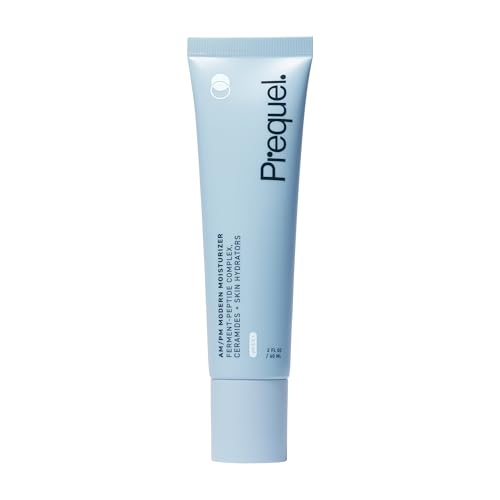
ESSENTIAL HYDRATION: Ferment-Peptide Complex supports microbiota balance and skin barrier strength, helping skin retain moisture, reduce the appearance of dryness, and improve resilience.

[Long-lasting Hydration Cream for Sensitive Skin] 5types of cica instantly soothes irritated skin without stickiness, leaving it refreshed and calm with a highly moisturizing texture.
Tips for Applying Moisturizer for Optimal Results
Maximize skin hydration by applying moisturizer immediately after cleansing, while the skin remains damp, to trap moisture effectively within the skin barrier. Choose a moisturizer enriched with ceramides and hyaluronic acid to reinforce the protective barrier and enhance hydration, which improves skin texture. Apply a pea-sized amount using gentle strokes, moving upward to boost circulation and guarantee even coverage. Establish a consistent routine by moisturizing morning and night; this prevents dryness and maintains ideal skin texture. Adapt the moisturizer’s consistency to the season—use heavier creams in dry winter months and lighter lotions or gels in humid conditions. Dermatologist Dr. Anne Webb advises, “Consistent application, combined with correct product choice, is essential for best results and avoiding texture irregularities caused by environmental stressors.” Additionally, incorporating silicone-based treatments can further improve skin texture by supporting scar reduction and enhancing healing.
Recommended Products

ULTIMATE HYDRATION & NOURISHMENT: Discover the benefits of deeply hydrated skin with our hyaluronic acid cream. Enriched with multi-molecular HA, apricot kernel, and castor oils, it helps maintain moisture and supports a more refined appearance.

[ HYALURONIC ACID MOISTURIZER ] With hyaluronic acid, ceramides and MVE technology for 24 hour hydration. Rich, velvety texture that leaves skin feeling smooth, it is absorbed quickly for softened skin without greasy, sticky, feel.

DAILY FACIAL MOISTURIZER: This moisturizing face cream delivers a powerful boost of hydration to nourish and plump skin for a firmed-up, bouncy complexion with a luminous finish that lasts all-day and feels soft.
Frequently Asked Questions
Does Moisturizer Help With Textured Skin?
Moisturizer benefits textured skin by enhancing skin hydration, supporting barrier repair, and improving product absorption. Different formula types and consistent application techniques replenish natural oils, intensify exfoliation effects, and maintain skin smoothness, emphasizing the importance of routine use.
What Helps With Improving Skin Texture?
Improving skin texture involves exfoliation benefits, maintaining hydration levels, and strengthening the skin barrier. Incorporating chemical peels, hydrating serums, topical treatments, natural oils, sun protection, nutrient absorption, and lifestyle factors enhances overall skin appearance and health.
What Is the 3 Minute Rule for Moisturizer?
The 3 minute rule for moisturizer demands urgent moisturizer timing—apply within three minutes post-cleansing to maximize skin absorption. Hydration levels soar, optimizing application techniques, product types, layering methods, daily routines, and skin barrier preservation by respecting microenvironment factors and moisturizer ingredients.
What Do Dermatologists Recommend for Textured Skin?
Dermatologists recommend moisturizer types with humectants, ceramides, and exfoliating ingredients like glycolic acid for textured skin. Routine tips emphasize hydrating benefits, personal skin consideration, seasonal effects, skin exfoliation, and professional advice to address texture issues effectively.


