As an Amazon Associate, we earn from qualifying purchases. Some links on this site are affiliate links at no extra cost to you. Our recommendations are based on thorough research and editorial judgment.

How Spot Treatments Work on Active Breakouts

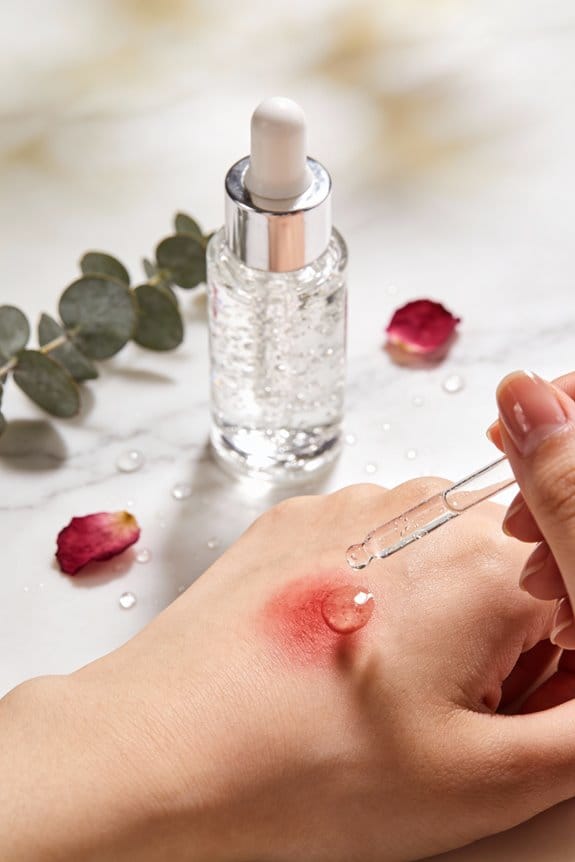
Spot treatments combat active breakouts by delivering targeted ingredients, such as up to 10% benzoyl peroxide to kill acne bacteria and reduce inflammation, or 2% salicylic acid to unclog pores by dissolving excess oil and dead skin cells. Apply treatments after cleansing and toning, using a clean cotton swab directly on pimples for precise absorption. Avoid combining actives on the same area to prevent irritation. Proper timing and consistent use enhance effectiveness. Further insights cover ingredient selection and irritation management.
Key Takeaways
- Spot treatments target active breakouts by delivering concentrated ingredients like benzoyl peroxide or salicylic acid directly to inflamed areas.
- Benzoyl peroxide kills acne-causing bacteria and reduces redness, effectively shrinking pimples and preventing hyperpigmentation.
- Salicylic acid dissolves excess oil and dead skin inside pores, clearing blockages and reducing inflammation in active breakouts.
- Proper application involves cleansing the skin first, applying treatment precisely with a cotton swab, and allowing it to dry before moisturizing.
- Using spot treatments early at the first signs of inflammation helps prevent worsening and promotes faster healing of active pimples.
Understanding the Causes of Acne
You may be interested


Although acne may appear on the surface of the skin, it originates primarily from clogged pores caused by excess oil, dead skin cells, and bacterial buildup. Dermatologists emphasize that clogged pores create an environment where acne-causing bacteria proliferate, triggering inflammatory responses responsible for redness and swelling. Experts recommend understanding these biological mechanisms before selecting acne spot treatments designed to reduce oil, clear dead cells, and inhibit bacteria. Physicians state, “Target clogged pores aggressively with non-comedogenic products to prevent new lesions.” Key directives include: cleanse twice daily with gentle, oil-controlling formulas; exfoliate 1-2 times weekly to remove dead skin cells; avoid heavy moisturizers that worsen pore congestion. Recognize that hormonal cycles and genetic predisposition may amplify these factors, necessitating consistent adherence to treatment protocols for effective breakout management. Incorporating active ingredients such as salicylic acid can help clear pores and reduce inflammation more effectively.
Key Ingredients in Spot Treatments
Effective spot treatments rely on selecting ingredients tailored to acne’s biological causes, specifically targeting bacteria, clogged pores, or inflammation. Benzoyl peroxide, an active ingredient found in concentrations up to 10%, effectively kills acne-causing bacteria and reduces inflammation. Salicylic acid, used up to 2%, penetrates pores to dissolve dead skin cells that clog pores and also eases inflammation. Experts advise against combining benzoyl peroxide and salicylic acid to avoid skin irritation and over-drying. For sensitive skin tones, sulfur serves as a gentler option by absorbing excess oil and reducing inflammation, typically at 10% concentrations. Always choose active ingredients based on specific skin tone reactions and breakout characteristics. Follow product guidelines strictly to minimize adverse effects while maximizing treatment efficacy. Additionally, incorporating daily application of salicylic acid treatments can enhance skin clarity when used properly.
How Benzoyl Peroxide Targets Inflamed Pimples
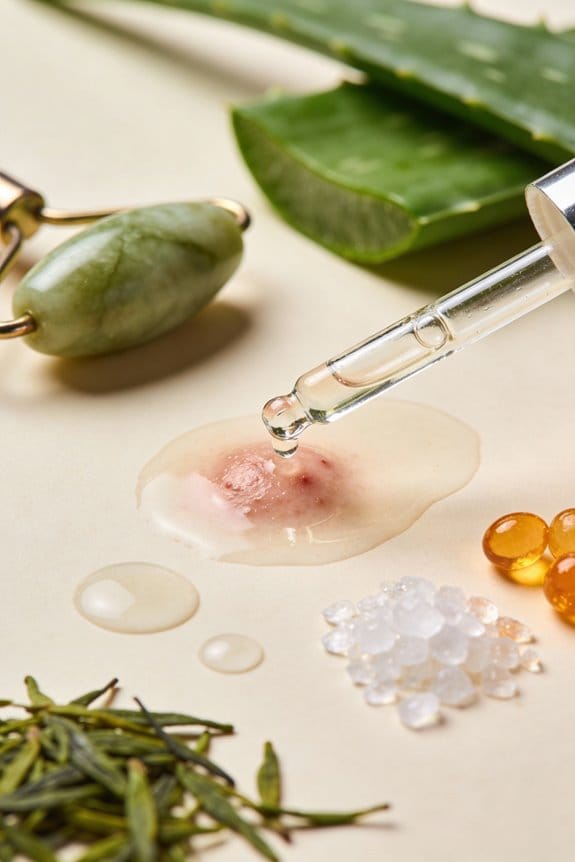
Benzoyl peroxide targets inflamed pimples by penetrating the skin to kill acne-causing bacteria and reduce swelling at the lesion site. As an acne treatment, it is available in over-the-counter formulas up to 10%, which experts recommend for effectively treating painful, swollen blemishes. Due to its low solubility, benzoyl peroxide remains on the skin longer, concentrating action on inflamed pimples to reduce redness and prevent post-inflammatory hyperpigmentation. Dermatologists advise performing a patch test before full use, especially for individuals with sensitive skin, because benzoyl peroxide can cause irritation or worsen discoloration. Apply a small amount directly to the affected area once or twice daily, avoiding surrounding healthy skin to minimize adverse effects. Consistent use following instructions guarantees superior results in managing active breakouts safely. It is also crucial to follow recommended application frequencies to prevent irritation and achieve optimal outcomes.
The Role of Salicylic Acid in Unclogging Pores
Salicylic acid serves as a beta hydroxy acid (BHA) that penetrates deeply into pores to dissolve excess sebum and dead skin cells, thereby effectively unclogging them. Experts recommend employing spot treatments containing up to 2% salicylic acid concentration to target stubborn buildup within acne-prone skin. Its dual action exfoliates the skin’s surface and inside the pores, preventing blackheads and whiteheads formation. To use, apply a thin layer directly onto an active breakout, ensuring avoidance of surrounding healthy skin to reduce irritation. Salicylic acid’s anti-inflammatory properties assist in diminishing redness and swelling, enhancing treatment efficacy. Dermatologists emphasize consistent application twice daily for best results, but caution should be exercised to monitor skin sensitivity. This methodical use of salicylic acid remains a cornerstone in unclog pores management within spot treatments for active breakouts. For gentle yet effective acne relief, treatments combining salicylic acid with soothing agents like witch hazel have been clinically proven to reduce pimple size and redness within 24 hours, offering quick results.
Advantages of Sulfur for Sensitive Skin
Why is sulfur recommended for individuals with sensitive skin struggling with acne? Sulfur acts as a natural antibacterial agent that effectively absorbs excess oil while reducing inflammation, making it less likely to irritate sensitive skin. Experts advise using spot treatments containing up to 10% sulfur concentration to dry blemishes efficiently without causing excessive irritation to surrounding areas. The compound’s low solubility allows it to remain on the skin for extended periods, enhancing acne-fighting effects, especially during overnight use. Additionally, many sulfur formulations incorporate soothing ingredients designed to calm redness and reduce irritation, further benefiting sensitive skin types. Clinicians recommend selecting products that mask sulfur’s natural scent for better user compliance. Apply sulfur spot treatments precisely on active breakouts, avoiding healthy skin, to maximize benefits and minimize irritation. It is also essential to perform patch testing before regular use to monitor individual skin responses and minimize potential irritation.
Different Forms of Spot Treatments
Spot treatments are available in several forms, each designed to address active breakouts with varying delivery methods and user preferences. Experts recommend using pimple patches that adhere directly to blemishes, creating a protective barrier while allowing active ingredients to penetrate dry skin effectively. Topical products such as gels and creams should be applied sparingly after cleansing and toning, as excessive use risks irritation when combined with other treatments. Liquid spot treatments offer stronger consistency, enabling deeper skin penetration to tackle breakout root causes. Dermatologists underscore the convenience of pimple patches for daytime or overnight use, highlighting their discreet appearance and protective function. To sum up, choosing the appropriate spot treatment form depends on skin sensitivity, breakout severity, and lifestyle needs, with each option offering specific advantages for targeted acne management. Additionally, incorporating chemical exfoliation can help remove dead skin cells and unclog pores, enhancing spot treatment effectiveness.
Proper Application Techniques for Spot Treatments
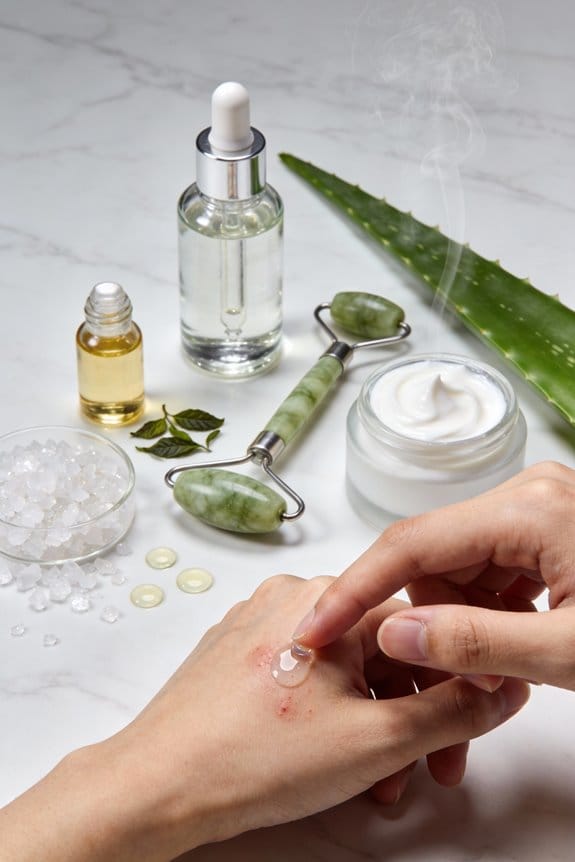
Begin by thoroughly cleansing and toning the affected area to remove oils and impurities, ensuring that active ingredients in spot treatments absorb effectively into blemishes. Experts advise to gently exfoliate dead skin beforehand for better penetration. Apply a spot treatment sparingly, using a clean cotton swab to precisely target the blemish, avoiding the surrounding skin to prevent irritation. Since spot treatments contain high concentrations of active ingredients, use a thin layer only. After application, wait 1–2 minutes for the product to dry before layering serums and creams to maintain efficacy. For sensitive skin, dermatologists recommend moisturizing first to buffer irritation. Avoid mixing multiple products directly on the spot, as this dilutes potency and may reduce treatment effectiveness. Follow these steps meticulously for best results and minimized adverse reactions. Additionally, pairing spot treatments with sunscreen protection during the day is crucial to shield sensitive new skin cells from damage.
When to Use Spot Treatments for Best Results
Effectiveness in treating breakouts depends heavily on timing and precise use. Experts emphasize applying spot treatments at the earliest sign of inflammation, redness, or discomfort, preferably at night before sleep to maximize absorption. To achieve best results, apply spot treatments directly on individual pimples using a small amount—just enough to cover the blemish without spreading to surrounding skin—avoiding full-face application. Dermatologist Dr. Lee notes, “Targeted treatment prevents new breakouts by addressing clogged pores quickly.” For urgent situations, pimple patches can shield the area and work alongside spot treatments to accelerate healing. Always allow the spot treatment to dry completely before layering moisturizers to prevent irritation. Following this protocol optimizes the reduction of active breakouts while helping to prevent new lesions from forming. Choosing a spot treatment with pharmaceutical-grade salicylic acid ensures potency and safety for effective results.
Managing Irritation and Side Effects
When managing irritation caused by acne treatments, it is critical to start with a lower concentration of active ingredients, gradually increasing once the skin adapts to avoid unnecessary inflammation and discomfort. Experts advise applying the spot treatment only on clean, dry skin to prevent dilution of ingredients and reduce side effects. Use a clean, damp cotton swab to precisely apply the spot treatment, minimizing contamination and irritation. Avoid combining these treatments with other active ingredients like chemical exfoliants on the same area, as this often worsens irritation. If dryness or redness occurs, specialist recommendations include applying a thin layer of moisturizer before treatment, creating a protective barrier that still allows efficacy. These steps promote ideal results while managing irritation and side effects effectively. It is also recommended to use a pea-sized amount of adapalene once nightly, gradually increasing frequency to mitigate irritation.
Combining Spot Treatments With Your Skincare Routine
Spot treatments demand careful integration within a complete skincare regimen to maximize acne-fighting benefits while minimizing adverse reactions. Apply spot treatments immediately after cleansing and toning to allow active ingredients to penetrate skin cells thoroughly. Use a clean, damp cotton swab to prep the targeted area, enhancing delivery accuracy. Let the treatment dry for 1-2 minutes before applying serums or creams. If irritation occurs, apply a thin layer of moisturizer beforehand to protect skin cells without compromising effectiveness. Avoid simultaneous use of exfoliants or harsh products on treated spots to prevent irritation. As dermatologist Dr. Lee advises, “Layer treatments with care to preserve skin integrity and maximize therapeutic outcomes.” Following these steps guarantees spot treatments complement the overall regimen effectively and safely. For best results, consistent daily use of the treatment for the recommended duration is essential to achieve visible improvement.
Emergency Solutions: Pimple Patches and Their Benefits
Although conventional topical treatments remain foundational, pimple patches provide a strategic emergency solution by applying hydrocolloid dressings that absorb up to 90% of excess fluid from inflamed acne lesions within 6 to 12 hours, thereby accelerating healing and visibly reducing swelling. Experts emphasize applying patches only on cleansed, dry skin after thorough cleansing and toning to maximize adhesion and efficacy. These patches establish a moist environment that draws out impurities and prevents the urge to pop pimples, reducing risks of acne scars and post-inflammatory hyperpigmentation. Many formulations contain salicylic acid or other topical acne agents, enhancing treatment. Additionally, pimple patches form a protective barrier against bacteria and dirt. Use as directed, avoiding prolonged wear past the recommended time to prevent irritation or delayed healing.
Selecting the Right Spot Treatment for Your Skin Type
A variety of spot treatments exist to address different acne concerns, and selecting the appropriate formula depends primarily on skin type and lesion characteristics. For inflamed pimples, benzoyl peroxide effectively reduces redness and swelling while targeting acne-causing bacteria. Salicylic acid, typically found at concentrations up to 2%, unclogs pores and is suitable for moderate acne with blackheads and whiteheads. Avoid combining these spot treatments with retinol or high-potency alpha hydroxy acids like lactic acid to prevent irritation and adverse reactions. Sensitive skin benefits from gentler sulfur-based treatments that reduce inflammation and absorb excess oil without harsh irritation. For immediate care, pimple patches infused with salicylic acid offer protection and treatment simultaneously. Experts advise choosing formulas tailored to skin sensitivity to avoid ingredients that irritate the skin and worsen acne symptoms.
Frequently Asked Questions
Do Acne Spot Treatments Actually Work?
Acne spot treatments do work, as acne myths debunked reveal. Treatment ingredients explained show effectiveness against isolated pimples. Incorporating breakout prevention tips and skincare routine adjustments enhances results and supports clearer skin.
What Is the Best Treatment for Active Breakouts?
What defines the best treatment for active breakouts? Benzoyl peroxide often leads over-the-counter options, yet prescription treatments may be necessary. Incorporating these best ingredients thoughtfully within skincare routines guarantees effective, tailored acne management and healing.
Do Pimple Patches Work on Active Pimples?
Pimple patch effectiveness relies on ingredient analysis, mainly salicylic acid, which reduces inflammation. Proper application techniques on dry skin enhance absorption, often outperforming creams by physically protecting pimples and drawing out impurities for faster healing.
How to Properly Use Acne Spot Treatment?
Proper usage of acne spot treatment involves application techniques targeting blemishes, applying active ingredient after cleansing, adjusting frequency usage based on skin types, and avoiding healthy skin to minimize irritation while maximizing treatment effectiveness on active breakouts.


