As an Amazon Associate, we earn from qualifying purchases. Some links on this site are affiliate links at no extra cost to you. Our recommendations are based on thorough research and editorial judgment.


Understanding Non-Comedogenic Ratings and Claims

Non-comedogenic ratings classify ingredients by their potential to block pores, using a scale from 0 (no risk) to 5 (high risk). Experts advise choosing products with ingredients rated 0 or 1, such as glycerin, niacinamide, and squalane, which hydrate without causing breakouts. Beware that “oil-free” does not guarantee pore safety; check for non-comedogenic formulations thoroughly. Reliable products avoid heavy oils and occlusive agents. Proper scrutiny of ingredient lists guarantees effective acne prevention and skin clarity. Additional guidance covers testing methods and formulation nuances.
Key Takeaways
- Non-comedogenic products are designed to avoid clogging pores, helping reduce acne and maintain clear skin.
- The comedogenic scale (0 to 5) rates ingredients based on their likelihood to block pores and cause breakouts.
- Labels claiming “non-comedogenic” lack standardized regulation, so ingredient verification is crucial for accuracy.
- Ingredients like glycerin, niacinamide, and squalane are commonly non-comedogenic and support skin hydration without causing breakouts.
- Oil-free products may still contain pore-clogging substances; always review ingredient lists for true non-comedogenicity.
What Non-Comedogenic Means in Skincare

You may be interested


A non-comedogenic product is explicitly designed to prevent pore blockage, thereby reducing the likelihood of acne formation. Experts emphasize selecting skincare products with ingredients rated low on the comedogenic scale, typically 0 or 1, to avoid clogged pores, especially in acne-prone skin. Ingredients like glycerin, niacinamide, squalane, and aloe vera support hydration without blocking pores, ensuring skin balance. It is critical to note that oil-free labels do not guarantee non-comedogenicity; some oil-free formulas still contain pore-clogging components. Consumers must examine product labels carefully and prioritize those explicitly marked non-comedogenic. Dermatologists recommend using these products consistently to manage skin health effectively. Employ the comedogenic scale as a practical tool to guide consumer choices and prevent acne aggravation arising from inappropriate skincare products. Additionally, incorporating cleansers with salicylic acid can effectively maintain pore clarity and enhance the benefits of non-comedogenic skincare.
Identifying Non-Comedogenic Products on the Market

When selecting skincare products, consumers must scrutinize labels and ingredient lists meticulously because non-comedogenic claims lack standardized regulation and can be misleading. Experts recommend referencing the comedogenic scale, which rates ingredients from 0 (non-comedogenic) to 5 (highly comedogenic), to avoid clogged pores, especially for acne-prone skin and oily skin types. Evaluate product claims carefully and verify ingredient lists for hydrating ingredients like glycerin and niacinamide that support skin health without compromising the skin barrier. Avoid products containing high concentrations of comedogenic substances despite non-comedogenic labeling. Dermatologists advise prioritizing transparency in product formulation and opting for items with clear, scientifically supported ingredient profiles. This systematic approach guarantees ideal selection of non-comedogenic products that maintain skin health and prevent pore obstruction effectively. Including key ingredients such as hyaluronic acid and ceramides in non-comedogenic moisturizers can enhance hydration while preserving skin barrier function.
Recommended Products

CETAPHIL MATTIFYING ACNE MOISTURIZER: Lightweight, fast absorbing face lotion hydrates for 48 hours, while treating and preventing breakouts in sensitive skin
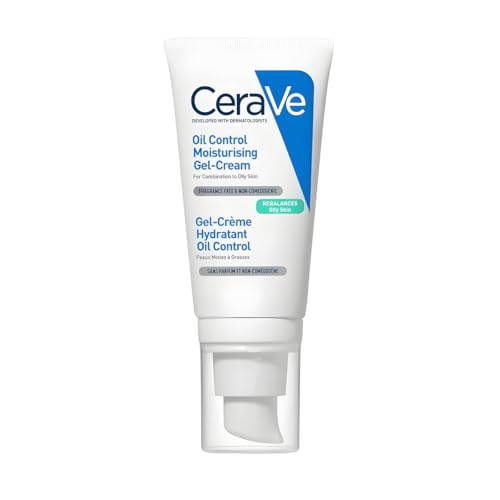
[ OIL-ABSORBING TECHNOLOGY TO REBALANCE OILY SKIN ] Oily skin moisturizer formulated with silica and other powders to help absorb excess oil and rebalance oily skin, leaving it neither too oily nor too dry.

Dermatologist recommended brand – From the makers of the dermatologist-recommended PanOxyl Acne Wash
Key Ingredients That Promote Non-Comedogenicity

Non-comedogenic skincare requires careful inclusion of specific ingredients that hydrate and soothe without clogging pores. Experts recommend common non-comedogenic ingredients like glycerin, niacinamide, and squalane to maintain hydration while preventing the skin’s pores from becoming blocked. Sodium hyaluronate supports skin elasticity and hydration efficiently. Formulators must avoid ingredients comedogenic in nature, such as heavy oils, which exacerbate acne breakouts in oily or acne-prone skin types. Green tea extract and zinc oxide reduce inflammation and control sebum production, enhancing product suitability for sensitive skin. Include lightweight seed oils like grapeseed or marula oil to hydrate without clogging pores. Integrate these components systematically into a skincare regimen aimed at preventing acne breakouts while supporting the skin’s natural moisture barrier and overall health. Hydrating serums often incorporate niacinamide and ceramides to both repair the skin barrier and improve moisture retention without causing congestion.
Recommended Products

[Daily Korean Serum] Formulated with 3% Niacinamide and Arbutin to hydrate and balance skin, helping achieve a clear, refreshed look like washing with rice water, suitable for sensitive skin.

1 fl. oz bottle of Neutrogena Hydro Boost Hyaluronic Acid Serum delivers deep hydration for face and neck, restoring dry, tired skin for a soft, supple, and refreshed complexion.

CETAPHIL CERAMIDE SERUM: Clinically proven to lock in moisture for 48 hour hydration, and significantly repair the skin’s moisture barrier in 1 week
Differences Between Non-Comedogenic and Oil-Free Formulations
Dermatologists’ guidelines emphasize distinguishing between non-comedogenic and oil-free formulations to optimize acne management protocols and skincare efficacy. Non-comedogenic skincare products are explicitly designed to avoid pore-clogging ingredients, preventing clogged pores and breakouts. Conversely, oil-free products exclude oils but may contain waxes or silicones that still block pores. Experts advise reviewing the ingredients list carefully, as many non-comedogenic products utilize lightweight ingredients like glycerin and niacinamide for hydration without triggering acne. Incorporate non-comedogenic items in the daily skincare routine for individuals prone to breakouts, ensuring both acne control and skin health. Remember: while most non-comedogenic products are oil-free, the reverse is not always accurate. Prioritize formulations labeled non-comedogenic and verify ingredient composition to effectively minimize clogged pores and maintain clear skin. Using non-comedogenic moisturizers formulated for various skin types helps improve skin hydration and firmness without causing irritation or breakouts.
Recommended Products

OAT BLEMISH CALMING CREAM (SIGNATURE GEL MOISTURIZER) — 77% oat seed water weightless water-gel moisturizer that helps calm the look of visible redness and post-blemish stress while keeping skin feeling balanced (not heavy). Clinically tested after 1 use: +108.63% inner hydration and +106.52% deep soothing

Designed for Sensitive Skin: Vanicream is the #1 Dermatologist Recommended Brand for Sensitive Skin*. Carefully formulated to be non-comedogenic, this moisturizer helps support skin prone to sensitivity or eczema

NON-GREASY MOISTURIZER: This lightweight formula keeps the outer layer of your skin protected and hydrated without feeling greasy.
The Role of Comedogenic Ingredients in Acne Development
Identify comedogenic ingredients as key contributors to acne development, since these pore-clogging substances promote the formation of comedones—visible as blackheads and whiteheads. Experts emphasize avoiding ingredients rated 3 or higher on the comedogenicity scale, which increases the risk of clogged pores and exacerbates acne. Common culprits include coconut oil and cocoa butter, which elevate oil production and occlude sensitive skin types. Select skincare products formulated with non-comedogenic ingredients rated 0 to 2 to reduce breakouts and maintain clear skin. Follow these guidelines:
- Review product labels for ingredient comedogenic ratings.
- Opt for lightweight, water-based formulations to minimize pore blockage.
- Prioritize non-comedogenic products especially for acne-prone or sensitive skin.
This strategy effectively limits acne triggers associated with comedogenic ingredients, ensuring better skin health. Additionally, choosing fragrance-free cleansers can further reduce irritation and support the skin barrier, enhancing overall skin health.
Testing Methods for Determining Comedogenicity
Although various methods exist to evaluate an ingredient’s comedogenic potential, the Rabbit Ear Assay (REA) and Cyanoacrylate Follicular Biopsy remain the most commonly used tests. REA applies ingredients to rabbit ears, measuring follicle changes to identify pore blockage, but can generate false positives due to skin sensitivity. Cyanoacrylate Follicular Biopsy uses an adhesive to count microcomedones, though it involves unrealistic usage conditions and varying skin response across body areas. Comedogenicity testing lacks standardization, which causes variability in results. Consider the concentration of ingredients and product formulation carefully, as these heavily influence skin response. Utilize the comedogenicity scale only as a guide, accounting for individual skin differences and product types. Prioritize testing under realistic conditions to develop effective non-comedogenic formulas and prevent misleading claims about pore-clogging risks. Additionally, selecting formulations free from harsh chemicals such as sulfates and parabens improves overall skin safety and reduces the likelihood of irritation that may mimic comedogenic effects, as noted in studies on product formulation safety.
Recommended Products

Cetaphil Daily Facial Moisturizer SPF 35: Three-in-one facial moisturizer hydrates, nourishes and protects sensitive, combination skin

The Iconic Global Best-Seller — With over 70 million bottles sold worldwide, this cult-favorite mist delivers immediate hydration and a signature luxurious glow. Experience the prestige formula that preps, sets, and refreshes.

[Instant Glow] Capsule facial mist with PDRN 2,000ppm, hyaluronic acid, and collagen to boost hydration for a dewy glow and firmer-looking skin.
Making Informed Choices for Clearer Skin
How can consumers effectively select skincare products that maintain clear, healthy skin without exacerbating pore clogging? First, prioritize non-comedogenic products designed to minimize clogged pores, especially for acne-prone skin. Experts recommend scrutinizing the ingredient list and evaluating comedogenic potential, focusing on ingredients rated 2 or below on the comedogenic scale. Evaluate product labels carefully, as non-comedogenic claims may be missing or misleading. Make informed choices by researching formulations and ingredient concentrations since these influence risks of breakouts. Incorporate beneficial ingredients like niacinamide and glycerin, which hydrate without increasing pore blockage. Follow these steps when choosing skincare products:
- Check for low-rated comedogenic ingredients
- Read product labels thoroughly
- Avoid heavy oils and waxes marked 3 or higher
- Favor formulations proven safe for acne-prone skin.
Additionally, consider products that include 10% benzoyl peroxide for their proven efficacy in reducing acne bacteria and inflammation without worsening pore blockage.
Recommended Products

[ EXFOLIATING FACE WASH ] Salicylic acid, a beta hydroxy acid (BHA), serves as a gentle facial exfoliator, removing dead skin cells and enhancing radiance. This salicylic acid face wash is less abrasive than traditional exfoliating cleansers like scrubs
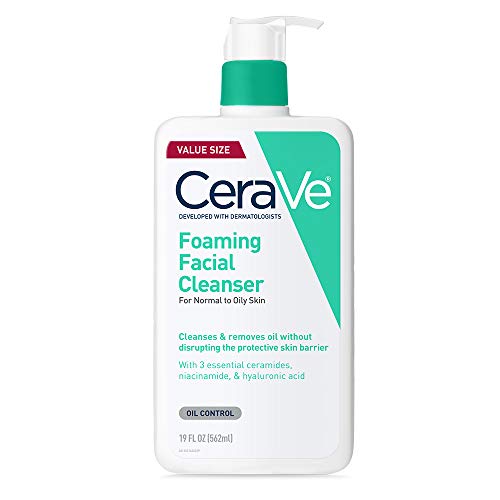
[ FOAMING FACE WASH ] Oily skin cleanser dispenses as a clear gel cleanser and transforms into a foam as you lather. Cleanses without leaving skin feeling tight, dry, or stripped. Daily cleanser & makeup remover face wash

[ACNE FACE WASH WITH SALICYLIC ACID] This salicylic acid cleanser gently exfoliates, reducing blackheads and minimizing pores. It helps prevents acne making it an effective face wash for acne.
Frequently Asked Questions
What Is a Good Comedogenic Rating?
A good comedogenic rating is 2 or below, like a gentle stream nourishing skin without blockage. Non-comedogenic ingredients, ingredient safety, and occlusive agents factor into skin care, guiding consumer awareness in acne prevention and cosmetic labeling across skin types and beauty standards.
How to Choose Non-Comedogenic Products?
Choosing non-comedogenic products involves product ingredient analysis, considering skin type compatibility, adhering to makeup formulation tips, selecting best oil types, identifying common allergens, reviewing product testing methods and consumer reviews, ensuring brand transparency, and following dermatologist recommendations for skincare routine integration.
Is Comedogenic Rating 3 Bad?
Amidst makeup ingredients evaluation, a comedogenic rating 3 poses moderate high comedogenic risk, especially for acne prone skin. Skin type compatibility and product layering techniques, along with dermatological advice access, inform skincare routine adjustments and topical treatment efficacy.
Are Comedogenic Rating Accurate?
Comedogenic ratings often face misconceptions due to variable ingredient sources, formulation differences, and diverse skin types. Scientific studies and product testing reveal inconsistencies, highlighting the need for consumer awareness and dermatology advice rather than reliance on strict oil classifications or ratings.


