As an Amazon Associate, we earn from qualifying purchases. Some links on this site are affiliate links at no extra cost to you. Our recommendations are based on thorough research and editorial judgment.


What Happens to Your Skin During Different Life Stages

Skin evolves distinctly across life stages due to hormonal shifts, necessitating targeted care. During puberty, sebum overproduction causes acne; cleanse gently and use non-comedogenic moisturizers. Pregnancy darkens pigmentation; apply SPF 30+ daily and protect skin from sun. Postpartum, expect dryness, breakouts, and hair loss; hydrate intensively and consult dermatologists for safe treatments. Perimenopause and menopause reduce collagen and moisture; prioritize ceramide-rich moisturizers and consider hormone therapy. Explore advanced skincare strategies relevant to each phase for optimal skin wellness.
Key Takeaways
- Puberty increases oil production, causing acne prone skin, especially around hormonal changes like menstrual cycles.
- Pregnancy elevates estrogen, triggering pigmentation changes like melasma and linea nigra, which usually lighten postpartum.
- Postpartum skin faces acne, dryness, and temporary hair loss due to rapid hormonal shifts after childbirth.
- Perimenopause causes skin dryness, reduced collagen, and sensitivity, requiring enhanced hydration and gentle skincare.
- Menopause intensifies skin aging with decreased elasticity and wrinkles, highlighting the need for moisturizing and sun protection.
Skin and Hair Changes During Puberty

You may be interested


Several physiological changes in skin and hair arise during puberty due to increased hormone levels, primarily testosterone, which stimulate sebaceous glands to secrete excess sebum. Skin becomes oilier, increasing the risk of acne as sebum combines with dead skin cells to clog pores. Hormonal changes involving both testosterone and estrogen cause fluctuations that may exacerbate acne, especially around menstrual cycles. Experts emphasize maintaining consistent skincare habits to support skin health during this stage. Follow these instructions: cleanse the face twice daily with a gentle, pH-balanced soap to reduce sebum buildup; avoid harsh scrubs that irritate skin; use non-comedogenic moisturizers to balance hydration without clogging pores. Dermatologists assert, “Effective sebum control and gentle cleansing are critical to managing puberty-related acne.” Neglecting these steps leads to persistent, worsening skin issues. Introducing active treatments such as benzoyl peroxide gradually can help reduce acne-causing bacteria while minimizing irritation during this sensitive stage.
Recommended Products

REBALANCING CLEANSER: Our rosehip oil and geranium-infused cleanser gently dissolves excess oil, lifts impurities, and helps maintain skin’s natural balance while soothing redness and irritation.


Pregnancy-Related Skin Transformations

Pregnancy introduces a distinct set of hormonal effects that significantly alter skin pigmentation and texture. Elevated estrogen levels stimulate pigment cells, causing skin changes such as melasma—dark facial patches—and the linea nigra, a vertical abdominal line. Hormonal surges also darken nipples and may trigger maternal acne. Experts emphasize rigorous skin protection: apply broad-spectrum SPF 30+ sunscreen daily and wear broad-brimmed hats to minimize sun exposure, a key factor worsening hyperpigmentation. Limited treatment options for melasma exist during pregnancy; most affected areas lighten naturally postpartum as hormone levels normalize. Mood fluctuations during pregnancy can indirectly affect skin health, increasing flare-ups. Follow dermatologist advice strictly and avoid aggressive treatments. These measures promote better management of pregnancy-related skin changes until postpartum hormone levels stabilize and skin returns toward baseline conditions. Additionally, incorporating niacinamide treatments after pregnancy can help improve skin hydration and even out pigmentation over time.
Postpartum Skin and Hair Adjustments
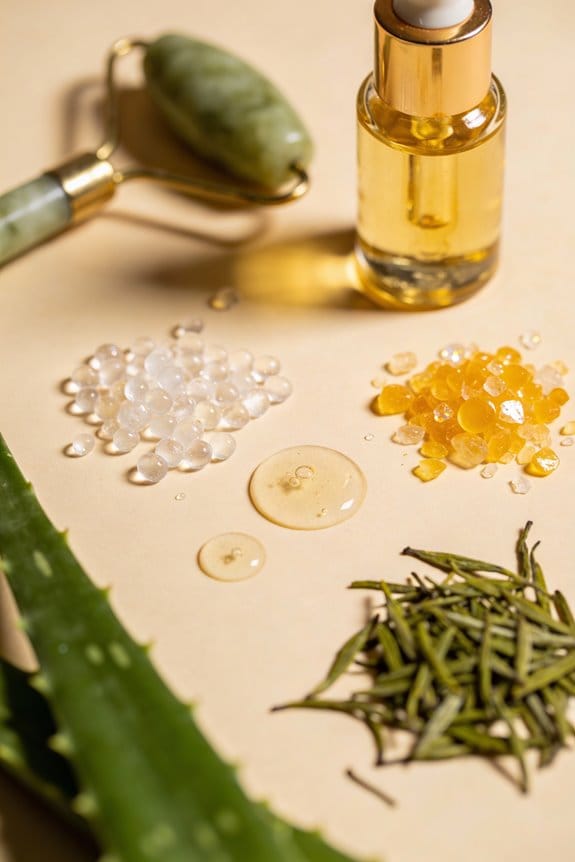
Although childbirth concludes the prenatal phase, skin and hair undergo significant adjustments due to rapid hormonal fluctuations, particularly the steep decline in estrogen levels. This drop triggers increased oil production, often causing postpartum acne even in women with previously clear skin. Hormonal changes also reduce collagen production, contributing to skin dehydration, dryness, and sometimes cracked heels. Pigmentation irregularities, such as hyperpigmentation darkening, may appear but tend to fade postpartum. Temporary hair loss, known as telogen effluvium, occurs as hormonal levels stabilize. For effective postpartum skin care, consult a dermatologist to tailor treatments safe for breastfeeding. Experts recommend gentle, fragrance-free moisturizers to combat skin dehydration, non-comedogenic cleansers to control acne, and sun protection to prevent pigmentation worsening during this shifting period. Additionally, incorporating hydration and moisturization routines using natural emollients like shea butter can help maintain skin barrier function and prevent flare-ups.
Recommended Products

USDA CERTIFIED ORGANIC: Made from a blend of organic herbs and oils traditionally used to soothe and moisturize dry skin, Earth Mama's Organic Nipple Butter is a USDA Certified Organic balm ideal for sore, cracked breastfeeding nipples. And it's the first lanolin-free nipple cream in the U.S.

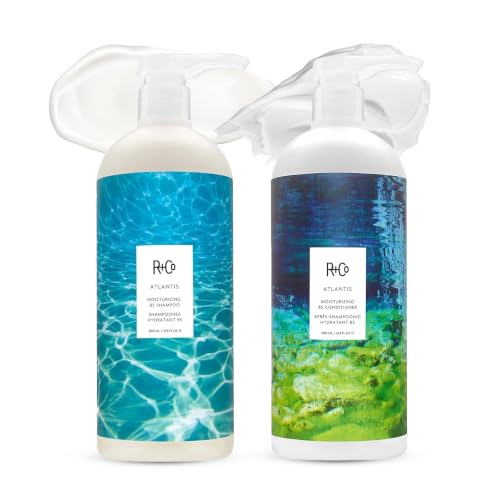
THE DEEP HYDRATION DUO: Atlantis Moisturizing B5 Shampoo & Conditioner deeply cleanses and conditions while restoring moisture to dry, damaged hair. The nourishing formula helps revive dull strands, leaving hair softer, smoother, and easier to manage.
Perimenopause: Transitional Skin Effects
When estrogen levels fluctuate during perimenopause, skin frequently experiences increased dryness and diminished collagen production, resulting in thinner and less elastic tissue. Dermatologists emphasize restoring hydration to combat dryness and recommend using moisturizers with hyaluronic acid, applied twice daily. Collagen decline causes more visible fine lines and reduced elasticity; incorporate peptides and retinoids into a skincare routine to stimulate collagen synthesis and normalize cell turnover. Hormonal changes also increase skin sensitivity, often exacerbating redness and irritation; avoid harsh exfoliants and use gentle, fragrance-free products. Maintain a regular, moderate cleansing routine to support skin structure integrity without over-stripping. Experts advise consulting a dermatologist to monitor emerging issues like rosacea or uneven tone, adjusting treatments accordingly. You must prioritize protective measures such as daily broad-spectrum sunscreen to mitigate further damage during this changing phase. Additionally, using healing moisturizers can provide essential hydration and barrier repair to soothe compromised skin effectively.
Menopause and Its Impact on Skin Health
As estrogen levels continue to decline during menopause, skin undergoes significant structural changes that demand adjusted care. Reduced estrogen levels lower collagen production, causing decreased skin elasticity and more pronounced wrinkles. Experts advise increasing hydration with moisturizers containing ceramides and hyaluronic acid to combat dryness and improve skin texture. Dermatologists warn about pigmentation issues, such as age spots, resulting from hormonal changes and accumulated sun damage; daily broad-spectrum sunscreen application is essential to prevent worsening. Hormonal fluctuations accelerate visible aging, necessitating targeted treatments. Consult a healthcare provider to evaluate hormone replacement therapy, which can partially restore skin quality by balancing hormonal levels. Use gentle cleansers and avoid harsh exfoliants that exacerbate dryness. Regular dermatologist visits will help tailor strategies addressing menopause-related skin concerns effectively. Consistent use of fragrance-free moisturizers enriched with soothing ingredients can help maintain the skin barrier and reduce irritation during this sensitive phase.
Recommended Products

Ultra-Hydrating Moisturizer: Formulated with Hyaluronic Acid, this face cream provides intense hydration, replenishing moisture and restoring smooth, soft skin for all-day hydration.

Vaginal probiotics for feminine wellness: Nourish microbiome to balance yeast and ensure freshness. Strains like L. Acidophilus and L. Fermentum support optimal vaginal flora, promoting comfort and health

Clinically proven to visibly plump and firm skin, deeply hydrates while enhancing glow.
Post Menopause: Long-Term Skin Changes
Many post-menopausal individuals experience continued skin dryness and reduced elasticity due to a significant decline in collagen production, which diminishes firmness and increases tissue thinness. These changes accelerate skin aging in postmenopausal women, presenting as thinner, more fragile skin prone to injury. Hormonal changes disrupt melanin regulation, causing hyperpigmentation and age spots, often worsened by sun damage. Experts stress the importance of recognizing increased skin fragility and declining collagen levels, which reduce firmness and elasticity. Dermatologist Dr. Smith advises: “Monitor skin closely for tears or delayed healing.” Postmenopausal skin requires ongoing protection from ultraviolet exposure to prevent further damage. Addressing dryness remains critical to maintain skin integrity. Consistent observation of these long-term changes provides essential guidance for adapting skincare strategies targeted specifically at this life stage. Utilizing rich moisturizers can help restore moisture and improve skin barrier function in postmenopausal skin.
Essential Skincare Tips for Every Life Stage
Consistently adopt skincare routines tailored to each life stage to optimize skin health and mitigate common issues linked to hormonal and aging changes. During puberty, control oiliness with gentle cleansing to address increased sebum from hormonal changes. In pregnancy, prevent melasma by applying broad-spectrum sun protection with SPF 30+ and wearing protective clothing outdoors. Experts advise those in their 30s to include vitamin C antioxidants and exfoliation twice weekly to enhance skin texture and delay aging. Perimenopausal individuals should prioritize moisturization using thicker creams to reduce dryness and maintain skin elasticity. Postmenopausal skin benefits from rich moisturizers enriched with peptides for nourishment and barrier repair. Establish a consistent skincare routine integrating these strategies to effectively maintain healthy skin throughout life’s stages. Introducing active ingredients like retinol gradually in the evening can significantly improve skin texture and reduce fine lines as skin matures.
Frequently Asked Questions
What Happens to Skin During the Aging Process?
During aging, skin experiences collagen decline, elasticity loss, wrinkles formation, pigmentation issues, and reduced skin hydration. Hormonal changes, sun damage, and lifestyle impacts weaken the protective barrier, making tailored skincare routines essential to maintain skin health.
What Age Does Your Skin Look the Best?
Like a sun-kissed canvas at dawn, skin looks best in the late 20s to early 30s, when collagen production and elasticity peak, hormonal changes stabilize, hydration thrives, and a balanced skincare routine with diet supports aging gracefully despite environmental factors.
What Is the Life Cycle of the Skin?
The skin cycle involves continuous skin cell renewal, affecting hydration levels, elasticity, and the skin barrier. Hormonal changes influence acne development, while collagen production declines. Environmental factors, sun exposure, and skincare routines modulate these processes dynamically.
At What Age Does Skin Stop Regenerating?
Skin regeneration never fully stops but markedly slows after age 30, with cellular turnover declining, collagen production decreasing by 1% annually, causing moisture retention loss, elasticity loss, skin thickness reduction, worsened by sun damage, hormonal changes, and lifestyle impact.


