As an Amazon Associate, we earn from qualifying purchases. Some links on this site are affiliate links at no extra cost to you. Our recommendations are based on thorough research and editorial judgment.

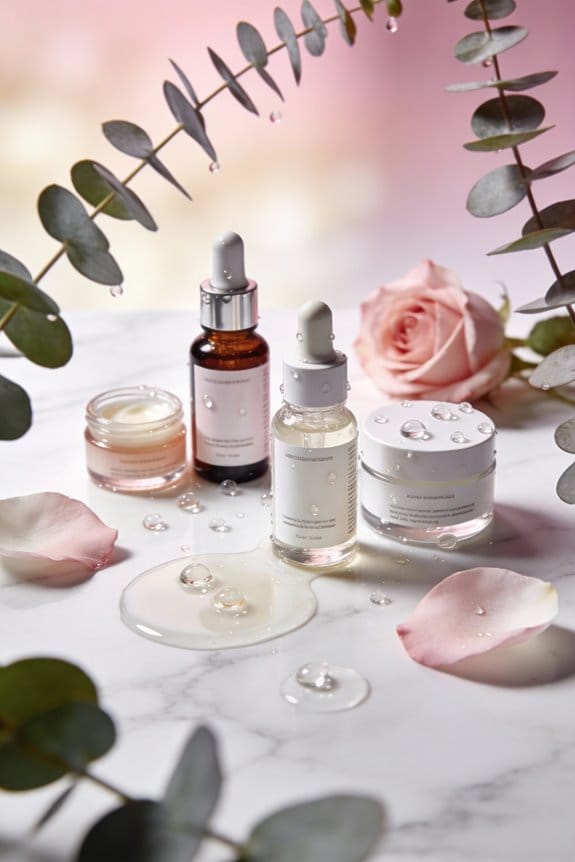
Why Some Treatments Cause Initial Skin Sensitivity

Initial skin sensitivity commonly arises from disrupted skin barriers allowing actives like acids or retinoids to penetrate deeply, causing inflammation and stinging. Experts advise introducing low concentrations gradually and avoiding multiple new products simultaneously to prevent overload. Fragrances and preservatives, especially parabens, exacerbate irritation risks and should be minimized or eliminated. Monitor for redness or burning, and maintain gentle, fragrance-free routines to support barrier recovery. Continued exploration reveals detailed ingredient impacts and management strategies.
Key Takeaways
- Initial skin sensitivity results from a disrupted skin barrier allowing irritants to penetrate deeper layers.
- Treatments with acids, retinoids, or peels accelerate exfoliation, increasing irritation risk.
- Introducing multiple active ingredients or high concentrations overwhelms the skin barrier, causing reactions.
- Underlying skin conditions, allergens, and environmental triggers can worsen sensitivity during treatment.
- Gradual introduction and monitoring skin response help minimize initial treatment-related irritation.
Understanding Initial Skin Sensitivity From Treatments

You may be interested


Although initial skin sensitivity often results from a disrupted skin barrier, it is essential to recognize that this irritation typically arises when active ingredients penetrate deeper layers. Initial skin sensitivity commonly occurs during treatment options involving acids, retinoids, or chemical peels, which accelerate exfoliation and expose reactive skin. Experts advise introducing actives gradually, starting with low concentrations to minimize irritation in sensitive skin. One must monitor skin’s response closely over the first two to four weeks, noting redness, stinging, or burning as signs needing adjustment. Dermatologists emphasize stopping or reducing product frequency if significant discomfort occurs. Maintaining the skin barrier’s integrity through gentle cleansing and adequate moisturization before and during treatment supports tolerance. Document all reactions and avoid adding new products simultaneously to isolate triggers effectively. Incorporating antioxidant moisturizers containing niacinamide and vitamin C can help enhance barrier function and reduce irritation during treatment.
Common Ingredients That Trigger Sensitivity

Which ingredients most commonly provoke skin sensitivity concerns? Experts identify fragrances, preservatives like parabens and formaldehyde releasers, and certain alcohols as frequent triggers in skin products. Active agents, including exfoliating acids (AHAs and BHAs) and retinoids, often cause stinging or burning sensations, especially in sensitive skin, due to their renewing action. Additionally, some botanical extracts and essential oils, despite their “natural” label, can provoke allergic reactions and heightened sensitivity. Metal allergens such as nickel, present in some cosmetics and jewelry, also contribute to contact dermatitis. It is essential to carefully read ingredient labels, even on products marketed for sensitive skin. Experts advise minimizing exposure to known irritants, patch testing new products, and adapting the skincare routine to accommodate tolerance levels. This approach helps reduce incidents where skin reacts or trigger sensitivity unexpectedly. Some moisturizers use natural occlusives like beeswax and plant oils to support moisture retention while being gentle on sensitive skin.
How Fragrances Affect Sensitive Skin

Fragrances rank among the leading irritants provoking adverse reactions in sensitive skin, causing redness, itching, and burning. Both synthetic and natural fragrances compromise the skin barrier, allowing irritants to penetrate and exacerbate dryness and inflammation. Approximately 30% of sensitive individuals report irritation specifically linked to fragrance ingredients in skincare products. Experts advise selecting fragrance-free products to minimize adverse reactions. To protect sensitive skin, strictly avoid skincare products containing fragrance or essential oils, regardless of their natural origin. When formulating routine care, prioritize hypoallergenic, fragrance-free products that maintain barrier integrity and hydration. Dermatologists warn, “Fragrance compounds disrupt the skin’s protective layer and should be eliminated from any sensitive skin regimen.” For sensitive skin, it is also recommended to use hypoallergenic serums that are formulated without fragrances or dyes to minimize irritation. Follow these guidelines to reduce irritation risks and support skin barrier restoration effectively.
The Impact of Preservatives on Skin Reactions
Because preservatives are essential to preventing microbial contamination and extending skincare shelf life, their selection must balance efficacy with skin compatibility. Preservatives like parabens and formaldehyde releasers commonly cause skin sensitivity, particularly in individuals with an impaired skin barrier, who are more vulnerable to irritants. Contact dermatitis may present as redness, itching, or rash after product use. Experts advise minimizing the number of preservatives in formulations to reduce the cumulative effect that heightens sensitivity risk over time. When skin reactions occur, patch testing is critical to identify specific preservative allergies or intolerances. Clinicians recommend choosing products with proven, low-irritant preservatives and monitoring for any signs of sensitivity, especially during initial application phases. Consistent vigilance is necessary to prevent chronic skin inflammation caused by repeated preservative exposure. Additionally, selecting fragrance-free formulas can further decrease the likelihood of irritation in sensitive skin.
Skin Adjustment Period to New Skincare Products
Following consideration of preservative-related sensitivities, attention must shift to the skin’s response when new skincare products are introduced. The skin adjustment period commonly features initial sensitivity, such as redness or stinging, as active ingredients—retinoids or exfoliating acids—temporarily disrupt the skin barrier. Experts recommend gradual introduction, starting with lower concentrations applied every other day to reduce irritation risk. Monitor signs of irritation closely; persistent redness, burning, or peeling beyond two weeks warrants discontinuation and professional advice. Dermatologists emphasize patience during this phase, which typically lasts from days up to several weeks, depending on individual skin type and product strength. To guarantee safe acclimatization, increase application frequency only when symptoms abate. This methodical approach helps maintain skin integrity while harnessing the therapeutic benefits of new formulations. Additionally, incorporating moisturizers with antioxidants and hydration can support skin barrier repair and reduce sensitivity during this period.
Recognizing Delayed Sensitivity Responses
Although initial skin reactions typically appear soon after product application, delayed sensitivity responses may manifest days or even weeks later, complicating identification of the offending ingredient. Experts emphasize that recognizing these reactions requires careful monitoring of the products you use, noting any gradual changes in skin conditions such as redness, itching, or bumps. Dermatologists recommend patch testing to identify specific allergens contributing to these delayed sensitivity responses. Continuous exposure to fragrances and preservatives can cause cumulative irritation, compromising the skin’s barrier and exacerbating symptoms. To help identify the cause, maintain a detailed log of all skincare products, ingredients, and usage frequency. Assess underlying health factors that might influence skin tolerance. Precision in tracking and professional evaluation is essential for helping you find effective solutions avoiding persistent adverse reactions. Using moisturizers with barrier-strengthening ingredients like ceramides and panthenol can support recovery and reduce sensitivity over time.
Managing and Minimizing Treatment-Related Reactions
Managing skin reactions resulting from new treatments requires intentional care to prevent discomfort and injury. Experts recommend a gradual introduction of products, or buffering, to help the skin adjust and manage sensitive skin effectively. Maintain a simple treatment plan by avoiding multiple active ingredients simultaneously, reducing the risk of overwhelming the barrier function. Use fragrance-free, gentle moisturizers consistently to support the skin barrier, especially when underlying conditions exist. Incorporate soothing agents like niacinamide or hyaluronic acid to alleviate discomfort and increase tolerance. Monitor exposure to specific allergens to minimize reactions. The good news is that with proper skin care adjustments and consistent routines, most treatment-related sensitivity decreases over time, allowing continued progress without compromising skin health or comfort. Additionally, selecting non-comedogenic formulas helps prevent clogged pores and irritation during treatment.
When to Seek Professional Dermatological Advice
When should individuals seek professional dermatological advice for skin sensitivity? Persistent skin sensitivity that fails to improve with gentle treatment warrants consultation to identify these hidden triggers. Experts advise seeing a dermatologist if sensitivity arises suddenly from multiple skincare products, suggesting possible allergens or irritants. Immediate care is imperative if signs of infection, like pustules or severe swelling, appear. Dermatologists assess medical history, underlying conditions, and stress management factors to provide personalized treatments. Follow these directives:
- Consult after one week of worsening symptoms
- Report any new swelling or discomfort promptly
- Schedule regular follow-ups to monitor treatment effectiveness
- Disclose all products and lifestyle factors
These steps enable clinicians to tailor interventions precisely, minimizing prolonged sensitivity and improving skin health outcomes. It is also important to choose hypoallergenic and fragrance-free products during this process to reduce irritation risks.
Frequently Asked Questions
Why Is My Skin Suddenly Hypersensitive?
Sudden skin hypersensitivity often isn’t just allergy reactions; environmental factors, skincare products, diet changes, hormonal fluctuations, weather conditions, and the aging process can all disrupt skin balance, leading to unexpected irritation and heightened sensitivity.
What May Cause Sensitivity to a Client’s Skin?
Sensitivity in a client’s skin may result from allergic reactions, varying skin types, product ingredients, environmental factors, underlying skin conditions, and treatment history. Dermatologist advice is essential to identify causes and manage sensitivity effectively.
Why Is My Skin Starting to Feel Sensitive?
Skin sensitivity may arise from a compromised skin barrier influenced by skincare products, environmental factors, hormonal changes, allergic reactions, lifestyle choices, and diet impact. These elements collectively disrupt skin balance, causing increased irritation and discomfort.
Can Medication Cause Skin Sensitivity?
Medication side effects, including allergic reactions and hormonal changes, can disrupt the skin barrier, influencing sensitivity. Topical formulations and environmental factors may exacerbate this during the healing process, leading to increased skin reactivity and discomfort.


