As an Amazon Associate, we earn from qualifying purchases. Some links on this site are affiliate links at no extra cost to you. Our recommendations are based on thorough research and editorial judgment.


How Different Cleansing Methods Affect Your Skin

Different cleansing methods impact skin by influencing the microbiome balance and barrier integrity. Experts recommend cleansing with mild, pH-balanced products near 5.5 to maintain natural oils and hydration. Limit cleansing to twice daily using lukewarm water, avoiding harsh surfactants and over-exfoliation, which damage the barrier and cause irritation. Immediately apply a ceramide-based moisturizer within 60 seconds to restore lipids and lock in moisture. Adhering to these practices prevents dryness and inflammation, with further insights on optimized techniques and product innovations available.
Key Takeaways
- Gentle, pH-balanced cleansers preserve skin microbiome diversity and maintain the natural moisture barrier.
- Over-cleansing, especially more than twice daily, leads to irritation, dryness, and microbiome imbalance.
- Micellar water and oil-based cleansers effectively remove dirt without stripping moisture or damaging the skin barrier.
- Lukewarm water optimizes cleansing efficacy while protecting skin lipids, unlike hot or cold water.
- Moisturizing immediately after cleansing locks in hydration and aids skin barrier recovery.
The Role of the Skin Microbiome in Skin Health

You may be interested


Although the skin microbiome consists of trillions of microorganisms residing on the skin surface, its role in skin health is profound and complex. The skin microbiome forms a critical ecosystem that inhibits pathogenic bacteria and supports immune regulation. Experts emphasize preserving this balance, as disruption caused by harsh cleansers on the skin can provoke inflammation and worsen conditions like acne. Dermatologist Dr. Smith advises: “Select mild, pH-balanced cleansers to maintain microbial diversity and support barrier function.” To protect the microbiome, follow these steps:
- Use gentle, sulfate-free cleansers no more than twice daily.
- Avoid over-cleansing, which strips natural oils and beneficial bacteria.
- Prefer products with ingredients that promote commensal bacterial growth, such as prebiotics.
Maintaining a diverse microbiome is essential in preventing infection and sustaining healthy, resilient skin. Using non-stripping cleansers helps preserve the skin’s natural moisture and barrier, thereby supporting microbiome balance.
How Cleansers Interact With Your Skin Barrier

When cleansing, recognize that the skin barrier—a protective layer composed of lipids and proteins—can be easily compromised by harsh surfactants found in many conventional cleansers. Cleansers function by forming micelles that capture dirt and oil, but aggressive ingredients strip essential lipids, weakening this barrier. Use cleansers with a pH close to 5.5—slightly acidic or neutral—to avoid swelling and irritation common with alkaline formulas. Experts recommend gentle cleansing agents like micellar water to maintain hydration and support barrier repair. Follow cleansing with a moisturizer to restore barrier function. Dermatologist Dr. Lee states, “Properly matched cleansers preserve the skin barrier, reducing sensitivity and dryness.” Avoid frequent use of surfactant-heavy products to protect the skin barrier integrity and reduce risk of dysbiosis and inflammation. Applying a calming moisturizer containing ceramides after cleansing can further strengthen the skin’s barrier and soothe irritation.
Recommended Products
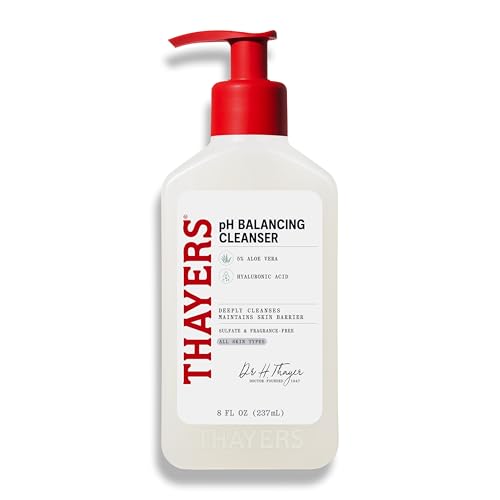
pH Balancing Cleanser: Clinically tested to help balance skin’s pH levels. Our gentle face wash removes dirt, oil, and impurities leaving skin feeling clean and not stripped. Skin looks balanced and feels softer after using this foaming facial cleanser
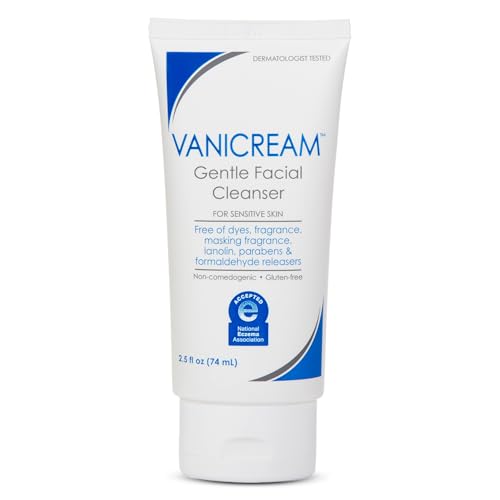
Gentle Cleansing for Sensitive Skin: Vanicream is the #1 dermatologist-recommended Brand for Sensitive Skin*. This face wash helps remove dirt and oils while ensuring that your skin feels clean, soft, and comfortable after every use

Hydrating foaming cleanser with Green Tea and Amino Acid Complex gently removes dirt, oil, and impurities without stripping skin.
Recognizing When Your Skin Feels Over-Cleansed

If the skin experiences persistent tightness or discomfort after cleansing, it signals over-cleansing and a compromised skin barrier. Over-cleansing strips essential oils, leaving skin dry and irritated, particularly when harsh cleansers with improper pH disrupt the normal 5.4 to 5.9 balance. Experts emphasize selecting cleansers compatible with specific skin types to avoid this issue. Signs of over-cleansing include persistent tightness, redness, or flaky patches. Skincare professionals instruct to:
- Reduce cleansing frequency to twice daily maximum
- Use gentle, pH-balanced products tailored to skin types
- Apply moisturizer immediately after cleansing to restore hydration
Failure to heed these steps prolongs barrier damage and exacerbates symptoms. Monitoring skin response diligently is essential to identifying over-cleansing promptly and adjusting routines accordingly to maintain skin health. Additionally, incorporating a mattifying moisturizer after cleansing can help restore hydration without adding excess shine.
Impact of Cleansing Frequency on Skin Balance
How frequently the skin is cleansed directly influences its barrier function and overall balance. Experts recommend cleansing your skin no more than twice daily to preserve its natural moisture and pH levels. Over-cleansing—more than two times a day—strips essential oils, leading to dehydration and compensatory increased oil production (Grice & Segre, 2012). This disruption impairs barrier integrity and raises risks of irritation, dryness, and microbiome imbalance (Two et al., 2016). A consistent skincare routine employing gentle cleansers supports microbial diversity and reduces inflammation (Kong et al., 2012). Follow these guidelines: cleanse mornings to remove sweat and evenings to clear pollutants; avoid harsh, sulfated cleansers; and adjust frequency based on individual skin type for ideal barrier health (Draelos et al., 2015; Strugar et al., 2019). Prioritize balance over frequency to maintain healthy skin. Choosing fragrance-free cleansers helps minimize irritation and protect the skin barrier during regular cleansing.
Understanding the Double Cleansing Method
Regularly implement the double cleansing method to thoroughly remove makeup, sunscreen, and daily grime, ensuring the skin is ideally prepared for subsequent treatments. Begin with an oil-based Makeup Remover to dissolve makeup, oils, and dirt effectively, relying on the principle that “oil attracts oil.” Experts endorse using 1-2 pumps of cleansing oil or micellar water on dry skin to lift impurities without stripping natural moisture. Follow immediately with a gentle water-based cleanser to clear residual debris and preserve the skin’s pH and microbiome. Dermatologists caution that neglecting this step risks clogging pores, especially in oily or acne-prone skin. Adopt double cleansing primarily in the evening routine to maximize active ingredient absorption and maintain skin barrier integrity, achieving thorough cleanliness unattainable with single-step cleansers alone. For best results, choose a fragrance-free, hypoallergenic formula for the water-based cleanser to minimize irritation and support skin health.
Choosing the Right Cleanser for Your Skin Type
Choosing a cleanser tailored to specific skin types is crucial to preserve the skin’s natural barrier and hydration. Experts emphasize selecting a cleanser that matches the skin type to avoid moisture loss and barrier damage. For oily or acne-prone skin, use gel-based cleansers with salicylic acid, which remove excess oil without over-drying. Those with dry or sensitive skin require cream or lotion-based cleansers rich in hydrating agents to maintain moisture balance. Combination skin benefits from mild foaming cleansers that cleanse without stripping dry patches. Dermatologists advise choosing cleansers with a neutral to slightly acidic pH near 5.5, as these maintain natural skin acidity and reduce irritation. Always evaluate product ingredients and pH to confirm compatibility with your skin type, preventing adverse effects and supporting peak skin health. Many calming cleansers also include barrier-supporting ingredients like ceramides to reduce redness and maintain hydration.
Recommended Products

[Deep Cleansing Without Stripping Moisture] Effectively removes excess sebum, impurities, and daily buildup while helping maintain the skin’s natural moisture balance.
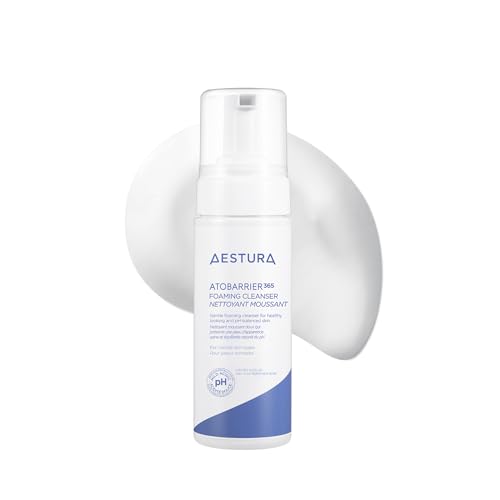
GENTLE, MILD pH-BALANCED CLEANSING: Formulated to match skin's natural pH, this cleanser effectively removes impurities without disrupting the moisture barrier, ensuring skin stays comfortable and balanced.

Gentle Low pH Cleanser for Sensitive Skin: The ETUDE SoonJung pH 6.5 Whip Cleanser is formulated with a soft, whipped-cream texture that transforms into dense, cushiony bubbles to help remove impurities without harsh friction. Its mildly acidic pH closely matches the skin’s natural balance, supporting a comfortable cleanse that leaves the skin feeling refreshed, hydrated, and soothed rather than tight or dry.
Effects of Water Temperature on Cleansing Efficacy
Numerous dermatologists emphasize that water temperature plays a critical role in cleansing efficacy and skin health. Use lukewarm water, ideally between 90°F and 105°F (32°C to 40°C), for ideal skincare results. Hot water strips natural oils, causing dryness and irritation, while cold water fails to dissolve oils and dirt effectively, leaving residues. According to Dr. Lin, a board-certified dermatologist, “Lukewarm water balances cleansing power with skin barrier preservation.” Avoid extremes to maintain the skin’s pH balance and prevent sensitivity or inflammation. Experts recommend rinsing facial cleansers thoroughly with lukewarm water to remove impurities without damaging the protective lipid layer. Consistent misuse of water temperature impairs barrier function, making skin prone to environmental damage and disorders. Hence, maintain appropriate water temperature to enhance cleansing efficacy and support healthy skin. Using mild cleansers formulated with ceramides and niacinamide further aids in preserving the skin barrier during cleansing.
Best Practices for Gentle Cleansing Techniques
Effective gentle cleansing techniques require specific steps to protect and preserve the skin’s barrier function while removing impurities. Experts emphasize using lukewarm water, as it balances cleansing efficacy and oil retention—hot water damages skin, cold water fails to remove dirt adequately. Limit cleansing to twice daily to maintain pH balance and prevent oil overproduction. Select facial cleansers that leave the skin feeling refreshed, avoiding those causing tightness, which signals barrier disruption. Incorporate hydrophobically modified polymers (HMPs) in skin care products to enhance moisture retention and protect protein structures, supporting microbiome health. After cleansing, gently pat the skin dry with a soft, clean towel to prevent microtears and irritation. Such methods guarantee optimized cleansing without compromising the skin’s integrity or natural defenses. Additionally, choosing products with a pH-balanced formula helps maintain optimal exfoliation and skin health.
The Importance of Moisturizing After Cleansing
Because cleansing temporarily disrupts the skin’s protective barrier, applying moisturizer immediately afterward is crucial for epidermal repair and hydration maintenance. Experts stress moisturizing within 60 seconds post-cleansing to lock in moisture and enhance ingredient absorption (Kong et al., 2012). Select ceramide-based creams, which restore lipids critical to sustaining the skin barrier and aid in treating mild-to-moderate dermatitis (Draelos & Raymond, 2018). Follow these steps: 1) Apply a nickel-sized amount evenly on damp skin; 2) Gently massage in upward strokes; 3) Confirm complete coverage to support the microbiome. Proper moisturizing also restores natural pH levels, preventing irritation and reducing dysbiosis (Grice & Segre, 2012; Dréno et al., 2016). Prioritize consistent moisturizing after cleansing to maintain ideal skin barrier function and hydration balance. Choose formulations that are fragrance-free and alcohol-free to minimize irritation risk and support sensitive skin.
Recommended Products

Designed for Sensitive Skin: Vanicream is the #1 Dermatologist Recommended Brand for Sensitive Skin*. Carefully formulated to be non-comedogenic, this moisturizer helps support skin prone to sensitivity or eczema

Dual-Action - Repair & Long-Lasting Hydration For Face & Neck: Restores skin’s natural protective barrier in just 1 hour while delivering powerful 48-hour moisture for a healthier, rebalanced complexion

REVOLUTIONARY MULTI-CERAMIDE COMPLEX: Our innovative formula features plant-sourced Ceramides, structurally akin to those your skin naturally. Its multi-molecular phytoceramide blend, which effectively achieves a more intricate and comprehensive reinforcement of the skin barrier, leads to a significantly stronger defense system against irritants.
Risks of Over-Exfoliation and How to Avoid It
When exfoliation exceeds recommended frequency, it compromises the skin’s protective barrier, causing irritation, redness, and increased sensitivity to environmental stressors. Dermatologists warn that over-exfoliation strips protective oils, leading to excessive dryness and damage to skin cells. Limit exfoliation to two or three times per week to maintain balance, adjusting based on skin type. Avoid harsh scrubs or strong chemical exfoliants that overly disrupt skin cells and natural oils. Signs of over-exfoliation include tightness, flaking, and increased breakouts—prompting immediate routine reassessment. Experts advise using gentle exfoliating ingredients like salicylic acid or lactic acid within cleansers for safer results. Implement the following:
- Exfoliate no more than 3 times weekly
- Use mild exfoliants recommended for your skin
- Monitor skin for adverse reactions continuously.
Using fragrance-free moisturizers after exfoliation can help soothe and repair the skin barrier effectively.
Innovations in Skin Cleansing Products and Future Trends
Although skin cleansing routines have long relied on water and soap, recent innovations introduce advanced technologies designed to preserve skin integrity while enhancing cleansing efficacy. Innovations in cleansing products include micellar water and oil-based cleansers containing natural oils that dissolve dirt, oil, and makeup without disrupting moisture balance. Experts mandate the use of microbiome-friendly formulations, emphasizing balanced skin flora to prevent irritation and improve barrier function. Avoid sulfates and parabens to maintain pH levels and reduce skin barrier damage. Future cleansing methods will integrate nanoscale antibacterial materials and plant-based ingredients at 1-2% concentration, enhancing effectiveness and gentleness. Adjust cleansing products seasonally to match skin needs. Embrace these innovations to safeguard skin health while maximizing cleansing outcomes, as advised by dermatological research and clinical guidelines.
Frequently Asked Questions
What Is the 4 2 4 Rule in Skincare?
The 4 2 4 technique in a skincare routine involves applying an oil-based cleanser for 4 minutes, a water-based cleanser for 2 minutes, followed by a 4-minute lukewarm rinse, balancing thorough cleansing and skin hydration effectively.
What Are the 7 Steps of Facial Cleansing?
Like tuning an orchestra, the 7 steps of facial cleansing begin with Double Cleansing to remove impurities. Tailored to Skin Types, it includes makeup removal, cleansing, exfoliating, toning, and moisturizing for balanced, healthy skin.
How Do Koreans Keep Their Skin so Clear?
Korean skincare achieves a clear complexion through double cleansing, gentle exfoliation, and hydration. Emphasizing balanced pH, lightweight moisturizers, and consistent sun protection, these practices collectively maintain skin clarity and prevent damage for a radiant appearance.
Does the Type of Cleanser Matter?
The type of cleanser indeed matters; cleanser ingredients must suit various skin types to maintain microbiome balance and barrier integrity. Gentle, pH-appropriate formulas prevent irritation, whereas harsh ingredients risk dryness and damage, emphasizing personalized skincare choices.


