As an Amazon Associate, we earn from qualifying purchases. Some links on this site are affiliate links at no extra cost to you. Our recommendations are based on thorough research and editorial judgment.


The Role of Cleansing in Preventing Breakouts

Cleansing twice daily with a non-comedogenic, pH-balanced (4.5-5.5) cleanser containing 1-2% salicylic acid effectively removes excess oil, dirt, and dead skin cells that block pores and cause acne. Experts emphasize using gentle, fragrance-free gel or cream cleansers to maintain the acid mantle and reduce inflammation. Avoid over-cleansing or harsh soaps, which disrupt skin balance and worsen breakouts. Proper cleansing supports skin microbiome stability and reduces future flare-ups. The following outlines detailed guidance on cleansing best practices and product selection.
Key Takeaways
- Cleansing removes excess oil, dirt, and bacteria, key factors that clog pores and trigger acne breakouts.
- Using gentle, pH-balanced cleansers preserves the skin’s acid mantle, reducing inflammation and acne risk.
- Salicylic acid in cleansers promotes exfoliation, preventing pore blockages and reducing acne lesions effectively.
- Regular cleansing twice daily balances oil production without stripping moisture or irritating sensitive, acne-prone skin.
- Over-cleansing or harsh products disrupt the skin barrier, increasing oil production and worsening acne conditions.
Why Cleansing Is Essential for Acne-Prone Skin

You may be interested


Because acne-prone skin is highly susceptible to clogged pores caused by excess oil, dead cells, and pollutants, cleansing must be prioritized as a foundational skincare step. Experts recommend employing non-comedogenic cleansers designed to remove excess oil without blocking pores or disrupting the skin’s barrier. Utilize formulas with a pH-balanced formulation, ideally between 4.5 and 5.5, to preserve the skin’s acid mantle, reducing inflammation and irritation. Incorporate gentle exfoliating agents, such as 1–2% salicylic acid, to promote cellular turnover and prevent the buildup of impurities that trigger breakouts. Dermatologists emphasize regular cleansing twice daily to maintain skin health, advising avoidance of harsh scrubs or fragranced products that aggravate acne. Consistent adherence to these cleansing principles greatly enhances acne control and prevents future lesion development. Selecting a cleanser that also contains soothing agents like tea tree oil or panthenol can help balance exfoliation effects and minimize irritation.
How Facial Cleansers Remove Impurities and Excess Oil

A well-formulated facial cleanser functions by thoroughly removing dirt, excess sebum, dead skin cells, and bacteria from the skin’s surface to prevent clogging of pores. Facial cleansers effectively remove impurities and excess oil, which otherwise fuel acne-causing bacteria and lead to breakouts. Incorporate gel-based cleansers within the cleansing routine, as they combine active ingredients that balance oil production without disrupting the skin’s natural moisture. Experts recommend selecting products containing salicylic acid or similar actives, proven to reduce acne lesions by up to 42%. To maintain a healthy barrier, cleanse gently twice daily, ensuring complete but non-stripping removal of debris. This method supports skin cell turnover and preserves hydration, key factors in preventing breakouts and sustaining overall skin health. Additionally, using fragrance-free formulations can help prevent irritation, especially important for sensitive skin prone to conditions like rosacea.
Recommended Products

[ EXFOLIATING FACE WASH ] Salicylic acid, a beta hydroxy acid (BHA), serves as a gentle facial exfoliator, removing dead skin cells and enhancing radiance. This salicylic acid face wash is less abrasive than traditional exfoliating cleansers like scrubs
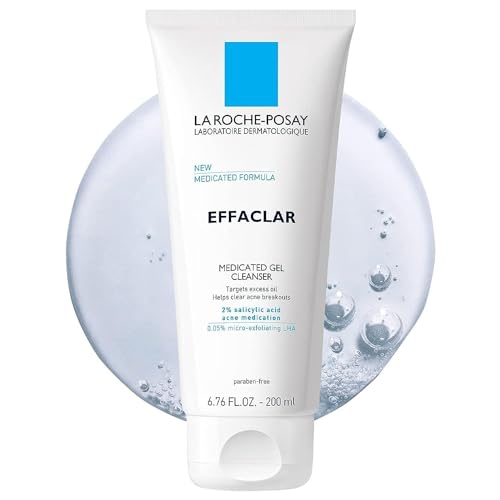
This salicylic acid face wash for oily skin is formulated with 2% salicylic acid and lipo-hydroxy acid to remove impurities without harsh scrub particles that may irritate skin

[ACNE FACE WASH WITH SALICYLIC ACID] Salicylic acid is a beta hydroxy acid (BHA) that helps gently exfoliate and remove dead skin cells, reduce blackheads & the appearance of pores, treats & prevents acne. BHA exfoliants are less harsh than face scrubs
Optimal Frequency for Cleansing to Prevent Breakouts

While maintaining cleanliness is essential for skin health, experts universally recommend cleansing the face twice daily—once in the morning and once at night—to remove excess oil, dirt, and bacteria that promote acne breakouts. Use a gentle cleanser designed for oily or acne-prone skin to prevent stripping the skin’s natural moisture. Avoid over-cleansing, defined as washing more than twice daily, as it can trigger increased oil production and worsen acne. Incorporate cross cleansing only after heavy sweating or exercise to eliminate impurities without disrupting the skin’s barrier. Consistent facial cleansing with a non-comedogenic cleanser maintains the skin’s pH balance, critical in preventing inflammation and clogged pores. Tailor cleansing routines to individual skin types to effectively prevent acne while preserving skin health. Utilizing cleansers with salicylic acid can gently exfoliate and clear pores, enhancing the prevention of blackheads and breakouts.
Recommended Products

[ EXFOLIATING FACE WASH ] Salicylic acid, a beta hydroxy acid (BHA), serves as a gentle facial exfoliator, removing dead skin cells and enhancing radiance. This salicylic acid face wash is less abrasive than traditional exfoliating cleansers like scrubs

EXFOLIATES AND SMOOTHS: This salicylic acid face cleanser with a gentle foaming formula effectively exfoliates and smooths rough skin

ACNE CLEANSER FOR ACNE-PRONE SKIN Looking for a daily facial cleanser for acne-prone skin? Formulated to support daily blemish care while helping maintain balanced-looking skin
Choosing the Right Cleanser for Your Skin Type
How does one determine the appropriate cleanser for acne-prone skin? Experts emphasize selecting gentle, non-comedogenic cleansers that do not clog pores. Choose formulations containing active ingredients like salicylic acid or benzoyl peroxide to target acne effectively. For most skin types, gel-based or cream-to-foam cleansers best remove impurities without excessive dryness. Avoid foaming cleansers with sulfates, which strip essential skin lipids and may aggravate breakouts. Individuals with sensitive skin require fragrance-free, mild options to prevent irritation while maintaining cleansing efficacy. Maintain daily cleansing routines, using a morning cleanser to clear overnight oils and an evening cleanser to remove makeup and pollutants. Dermatologists recommend this approach as an effective cleanser selection strategy to support skin health and reduce the occurrence of acne-related breakouts. Additionally, using non-comedogenic formulations can minimize pore clogging and further prevent breakouts.
Recommended Products

[ACNE FACE WASH WITH SALICYLIC ACID] This salicylic acid cleanser gently exfoliates, reducing blackheads and minimizing pores. It helps prevents acne making it an effective face wash for acne.

FIGHT ACNE WITHOUT DRYING: Salicylic acid (BHA) dissolves pore-clogging impurities to help prevent acne breakouts, blackheads, redness, uneven skin tone, and dullness. This acne face wash gently removes dirt, makeup, and excess oil.
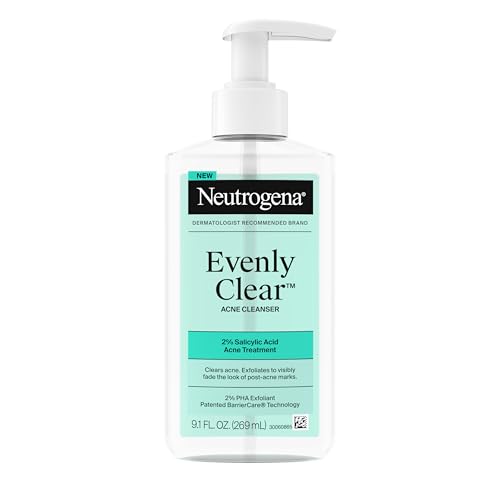
9.1-fluid ounce bottle of Neutrogena Evenly Clear Acne Cleanser with 2% Salicylic Acid Acne Treatment and 2% PHA Exfoliant that visibly fades the look of post-acne marks, clears acne, helps prevent future breakouts, for smooth, even looking skin
Common Cleansing Mistakes That Can Aggravate Acne
Avoid common cleansing missteps that exacerbate acne by adhering strictly to dermatologist-recommended practices. Using bar soap or body wash disrupts pH and worsens acne, unlike gentle facial cleansers formulated for this purpose. Skipping evening cleansing leads to clogged pores and micro-comedones—precursors to breakouts. Experts advise avoiding hard water during rinses, as mineral deposits can clog pores; a distilled water rinse is preferred. Layering multiple acne-cleansing products causes excessive dryness, prompting the skin to increase oil production, further aggravating acne. Maintain your skincare routine by frequently changing pillowcases and towels to prevent bacterial accumulation transferring back to the skin. These cleansing mistakes compound acne severity. Follow simple, targeted steps consistently for improved outcomes and reduced breakout frequency. Choosing a sulfate-free cleanser tailored to your skin type can also help maintain moisture balance and reduce irritation that triggers acne.
Recommended Products

Foaming face wash: Aveeno Daily Foaming Gel Facial Cleanser removes excess oil without disrupting the skin's moisture barrier; does not leave skin feeling stripped; for normal to oily or sensitive skin; 12 fl oz

Toleriane Hydrating Gentle Cleanser is a clinically proven daily face wash for normal to dry, sensitive skin that hydrates and restores the skin barrier while gently cleansing

CETAPHIL FRAGRANCE FREE DAILY FACIAL CLEANSER: Reinforces the skin barrier, balances skin and minimizes the appearance of pores, now in a fragrance free formula
Enhancing Cleansing With Complementary Skincare Practices
Incorporate double cleansing into the acne skincare regimen by first applying an oil-based cleanser to dissolve makeup, sunscreen, and sebum, followed by a gentle water-based cleanser to remove residual impurities without disrupting the skin’s natural barrier. Maintain this cleansing routine twice daily to eliminate overnight oils and daily pollutants effectively. Integrate exfoliating agents containing AHAs or BHAs once or twice weekly to clear dead skin cells that clog pores and cause breakouts. Complete the regimen with hydrating, non-comedogenic moisturizers to balance moisture and prevent excessive oil production. Additionally, regularly change pillowcases and towels and verify hands are clean before facial contact to reduce bacterial transfer. These complementary practices enhance cleansing efficacy, promoting clearer skin and minimizing acne formation through thorough impurity removal and skin barrier support. Using alcohol-free formulations with soothing ingredients can further minimize irritation during cleansing.
Recommended Products

[Deep cleansing] Effectively removes makeup. This lightweight cleansing oil dissolves sebum, impurities*, sunscreen, and makeup in one step, helping create a clean base for a smooth glass skin look without a greasy residue.

[Korea’s No.1 Cleansing Oil] 20M+ bottles sold worldwide, trusted for makeup removal and pore care

[Deep Cleansing] A Gentle face wash that effectively removes impurities and excess sebum* with non-stripping finish. Formulated with Anti-Sebum P to cleanse deep into pores, plus Hyaluronic Acid and a soft bubble texture for a rich, nice lather.
The Impact of Cleansing on Skin Microbiome and Inflammation
When cleansing the skin, maintaining a balanced microbiome is critical for preventing inflammation and acne flare-ups. Experts emphasize using pH-balanced skincare products to protect the skin barrier and support beneficial bacteria, essential for reducing harmful bacteria that trigger breakouts. Cleansing removes excess oil, debris, and pathogens that disrupt microbial diversity and increase inflammation. Dermatologist Dr. Lee states, “Regular cleansing fosters a resilient skin barrier, lowering the risk of inflammatory acne lesions.” Follow these steps: choose gentle cleansers with pH around 5.5, cleanse twice daily with lukewarm water, and avoid harsh scrubbing that damages the microbiome. Neglecting proper cleansing causes dysbiosis, where harmful bacteria multiply, intensifying inflammation and acne severity. Implementing these measures effectively stabilizes the skin microbiome to reduce inflammation and prevent breakouts. Selecting gentle organic cleansers free of harsh chemicals and synthetic fragrances further protects the skin’s natural barrier and soothes sensitive skin during this process.
Frequently Asked Questions
Why Is Cleansing Important for Skin?
Like a filter purifies water, cleansing benefits skin health by removing impurities in a daily routine. Proper product choice, pH levels, exfoliation techniques, and natural ingredients balance moisture for all skin types, promoting acne prevention effectively.
What Is the 4 2 4 Rule in Skincare?
The 4 2 4 rule is a four step method in a daily routine employing cleansing tools for oil control, hydration balance, and product layering. It optimizes skin health, time efficiency, and suits various skin types for acne prevention.
Can a Cleanse Make You Break Out?
Like a storm stirring fragile leaves, cleansing frequency and harsh exfoliation methods can disrupt skin barriers and moisture levels. Skin sensitivities, incorrect product ingredients, pH balance, and seasonal changes may provoke acne triggers, causing unexpected breakout causes.
What Is the Function of Cleansing?
Cleansing functions to remove impurities and maintain skin health. Proper cleansing techniques, product selection—such as foam cleansers or micellar water—and adapting to skin types enhance benefits, making morning cleansing and exfoliating cleansers essential in daily routine management.

