As an Amazon Associate, we earn from qualifying purchases. Some links on this site are affiliate links at no extra cost to you. Our recommendations are based on thorough research and editorial judgment.


How Long Should You Actually Cleanse Your Face

Cleansing the face for at least 60 seconds is essential to effectively remove dirt, oils, and makeup, as well as to activate active ingredients in skincare products. Experts recommend using gentle, circular motions with a cleanser suited to skin type—gel for oily, creamy for dry. Over-cleansing leads to dryness and irritation, so limit cleansing to twice daily with lukewarm water. Those with sensitive skin may shorten cleansing to 30 seconds. Proper timing supports skin health and ideal product absorption. Further guidelines refine the approach based on individual needs.
Key Takeaways
- Cleansing for at least 60 seconds ensures thorough removal of dirt, oils, and dead skin cells for optimal skin health.
- Oily and combination skin types benefit from a full 60-second cleanse to balance sebum and impurities effectively.
- Dry and sensitive skin should limit cleansing to around 30 seconds to preserve natural oils and prevent irritation.
- Double cleansing, especially for makeup users, involves 60 seconds with an oil cleanser plus 30-60 seconds with a water-based cleanser.
- Overwashing can harm the skin barrier; cleansing twice daily with gentle, non-drying cleansers and lukewarm water is recommended.
The Science Behind the 60-Second Cleansing Rule

You may be interested



Why is a 60-second cleansing routine vital for effective facial cleansing? Experts emphasize the 60-second cleansing rule as essential for thorough impurities removal and ideal skin health. This cleansing duration supports the breakdown of dirt, oils, and dead skin cells, ensuring a deeper cleanse beyond quick washes. Nayamka Roberts-Smith highlights that cleansing for a full minute activates active ingredients in skincare products, allowing for better absorption post-cleansing. Research validates that cleansing less than 60 seconds reduces efficacy, leaving residue evident even after toner application. Maintain this timeframe regardless of skin types to reveal the full potential of your routine. Dermatologists instruct: use gentle, circular motions for at least 60 seconds, ensuring every face area is covered. Adequate cleaning duration transforms a simple cleanse into an effective regimen enhancing subsequent skincare product performance. Incorporating enzyme cleansers during this time can provide gentle exfoliation while maintaining hydration, supporting overall skin health.
Tailoring Cleansing Time to Your Skin Type

Although the 60-second cleansing rule serves as a general guideline, tailoring cleansing duration to specific skin types enhances effectiveness and prevents damage. Oily skin and acne-prone skin require about 60 seconds of cleansing time to remove excess sebum and impurities. Dry skin demands a gentler approach; experts advise cleansing for approximately 30 seconds using a gentle cleanser, preserving natural oils. Combination skin benefits from 60 seconds, balancing oily and dry areas. When using a medicated facial cleanser, extend cleansing time to 1-2 minutes to maximize active ingredient efficacy. Consistently observe skin reactions to adjust cleansing time. Follow cleansing with a moisturizer and sunscreen to maintain hydration and protect skin barrier integrity. Choose the cleanser you use carefully, matching formulation to your skin type and cleansing time recommendations. Additionally, incorporating alcohol-free formulations with soothing ingredients can help minimize irritation during cleansing, especially for sensitive skin.
Recommended Products

A anti-aging sleeping mask for the face, neck, and decollete with a unprecedented cocooning comfort

Exfoliating: Volcanic ash pulls excess oils and toxins from the skin while japanese adzuki bean powder gently exfoliates to remove dead skin cells and ingrown hairs that can clog pores

RED LIGHT TREATMENT New in FOREO facial tools, a brush with near-infrared & light therapy to dilate pores for a deeper cleanse, while boosting collagen to target lines & sun damage.
Risks and Signs of Overwashing Your Face

When the skin undergoes excessive washing, natural oils essential for moisture retention and barrier function can be depleted, resulting in dryness, irritation, and increased sensitivity. Overwashing disrupts the skin barrier, causing signs such as redness, tightness, flakiness, and discomfort. Dermatologists emphasize that cleansing should be tailored to individual skin types and comfort levels to avoid these issues. Use gentle, non-drying cleansers and monitor your skin’s response carefully. Experts advise limiting face cleansing to twice daily with lukewarm water and soft fingertips, avoiding harsh scrubbing. Pay attention to your skin’s signs of irritation or sensitivity, as these indicate overwashing. Customize your routine without exceeding 60 seconds per cleanse to maintain skin health. Adapting your cleansing habit prevents barrier damage while supporting hydration and protection. Additionally, choosing hypoallergenic products can minimize the risk of redness and itching associated with overwashing.
Recommended Products
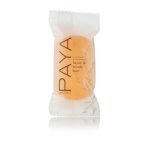
PAYA Organics do not contain: Parabens, Banned Phthalates, Mineral Oil, Formaldehyde, Paraffin, Petroleum Products, Silicone Oils, Diethanolamine or DMDM Hydantoin Preservatives

MILD HYDRATING CLEANSER – Gently removes pore-clogging lipids and surface build-up, leaving both your face and body soft and supple. All Sebamed products are 100% soap and alkali free, with a unique vitamin blend, and moisturizing complex Allantoin and Pentavitin. Cleans, moisturizes, and washes away completely to support skin’s natural healing process.

The Role of Double-Cleansing in Skincare
Double cleansing stands as an essential skincare technique for removing makeup, sunscreen, and accumulated impurities effectively. Begin with an oil-based cleanser or cleansing balm to dissolve makeup, dirt and grime, massaging it into the skin for about 60 seconds. Follow by rinsing with lukewarm water. Then, apply a water-based cleanser for 30 to 60 seconds to remove residual oils and debris thoroughly. This two-step process prevents clogged pores and supports a clearer complexion. Board-certified dermatologists emphasize double cleansing primarily for individuals wearing makeup or sunscreen daily, as it enhances the skin’s natural moisture balance without stripping it. Those not using such products may find a single gentle cleanse sufficient. Incorporate double cleansing to optimize the absorption and efficacy of subsequent skincare products. For optimal skin health, it is recommended to choose a soap-free cleanser that preserves the skin’s natural moisture barrier.
Tips for Making the Most of Your Cleansing Routine
Multiple factors influence the effectiveness of a facial cleansing routine and must be tailored to individual skin needs. Experts recommend using a gentle cleanser matched to skin type—gel-based for oily skin, creamy for dry skin—to prevent irritation. Cleanse for at least 60 seconds to remove dirt and improve skin clarity effectively. For sensitive skin, limit cleansing time to 30 seconds to avoid over-drying. Incorporate hydrating ingredients to maintain moisture balance. Adhere to the rule to wash your face twice daily, ensuring consistent removal of impurities and enhancing product absorption. Utilize tools like soft sponges to maintain the 60-second cleansing routine without harsh scrubbing. Dermatologists emphasize, “A tailored approach maximizes skin health while minimizing damage.” Including hydrating agents like hyaluronic acid in your routine can support moisture retention and improve overall skin texture. Follow these steps to optimize your cleansing routine and promote healthier, clearer skin.
Recommended Products

Hydro-fueled extractions: Clinically tested to clear impurities from pores, reducing pore size and visibility in just one use*. Get spa-level exfoliation and reveal your true glow in just 10 minutes.

SUN-SAFE DAILY DEFENSE DUO SET WITH RETINOL-LIKE SERUM: Unlike traditional retinol, it is safe for daytime use with no photosensitivity. Paired with 100% mineral SPF 50 to visibly smooth wrinkles, refine pores, and defend against UV aging

This special collection includes Epicuren Discovery's exclusive Metadermabolic Protein Enzyme Complex; the core of the Epicuren line.
Frequently Asked Questions
How Long Should You Cleanse Your Face?
Like watering a plant just right, ideal face cleansing lasts 30-60 seconds, adapting to skin types. Effective cleansing techniques, morning rituals, makeup removal, and respecting skin sensitivity balance hydration, combat pollution effects, and guide product frequency in facial routines.
What Is the 4 2 4 Rule in Skincare?
The 4-2-4 rule is a cleansing technique balancing pH and cleansing products, tailored for various skin types. It enhances facial oils removal, supports exfoliation methods, aids acne prevention, addresses sensitivity issues, and promotes anti-aging benefits through ideal cleansing frequency.
What Is the 60 Second Cleansing Rule?
The 60 second cleansing rule emphasizes thorough cleansing for ideal 60 second benefits. It addresses wrong practices and common mistakes, recommending tailored cleansing techniques, appropriate products, and tools for various skin types in both morning and evening routines—an ultimate guide.
How Long Should You Let Cleaner Sit on Your Face?
The ideal time to let cleanser sit varies by skin type and product ingredients; effective cleansing methods balance skin absorption, pH, and makeup removal. Facial techniques, cleansing tools, frequency guidelines, and post cleansing care further optimize results.


