As an Amazon Associate, we earn from qualifying purchases. Some links on this site are affiliate links at no extra cost to you. Our recommendations are based on thorough research and editorial judgment.


Understanding Morning vs. Evening Cleansing Needs

Morning cleansing removes overnight sweat and oils using a gentle, pH-balanced cleanser applied with lukewarm water to preserve the skin’s barrier. Experts advise a nickel-sized amount for effective coverage, followed by antioxidant serum and sunscreen. Evening cleansing demands double cleansing: first to dissolve makeup and sunscreen, second to eliminate residual dirt and sebum. Use richer formulations with active ingredients for overnight repair. Avoid over-cleansing or harsh products; proper technique enhances product absorption. Detailed distinctions clarify ideal skin health strategies.
Key Takeaways
- Morning cleansing removes overnight sweat, oil, and impurities using gentle, pH-balanced cleansers to protect the skin barrier.
- Night cleansing requires double cleansing to thoroughly remove makeup, sunscreen, pollutants, and dead cells accumulated during the day.
- Morning routines focus on hydration and antioxidant protection, while evening routines prioritize repair and deep cleansing with richer formulations.
- Proper cleansing optimizes the skin’s ability to absorb treatments and protection products, enhancing daytime defense and nighttime repair.
- Avoid over-cleansing and harsh products; tailoring cleansers to skin type and time of day promotes balanced oil production and healthy skin texture.
The Science Behind Morning and Night Cleansing

You may be interested



Why is it necessary to differentiate between morning and night cleansing? The skin follows a 24-hour circadian rhythm, necessitating tailored cleansing to match its day-night functions. Morning cleansing targets the removal of overnight sweat, oil, and impurities to prepare skin for environmental stressors like UV rays and pollution. Night cleansing demands thorough removal of makeup and sunscreen through double cleansing: first an oil-based cleanser dissolves sebum and stubborn residues, then a water-based cleanser eliminates water-soluble impurities. This two-step process maximizes cleansing efficacy, facilitating the skin repair process during sleep. Experts emphasize that proper cleansing enhances absorption of skincare products, ensuring active ingredients penetrate effectively. Integrate this scientific foundation into a skincare routine to meet distinct skin needs, optimizing protection by day and regeneration by night. Additionally, applying antioxidant serums on slightly damp skin after cleansing can improve serum absorption and boost skin’s defense against oxidative stress.
Key Objectives of Morning Cleansing

Morning cleansing serves as a critical procedure to eliminate sebum, sweat, and metabolic residues accumulated overnight, preparing skin for daily environmental exposure. Use a gentle, pH-balanced cleanser to remove oil without stripping essential moisture, maintaining the skin’s natural barrier. Dermatologists assert, “Balancing pH optimizes skin receptivity to active ingredients applied afterward.” Follow cleansing with a toner to enhance hydration and deliver antioxidant protection against UV rays and pollution. Experts emphasize that this combination refreshes the skin, minimizing dullness and oxidative stress. Implement morning cleansing consistently to support overall skin health, reducing the risk of inflammation and premature aging. Avoid harsh scrubs or highly alkaline soaps, as these disrupt skin balance. Prioritize products labeled gentle and pH-balanced, ensuring each application safeguards hydration and primes the skin accurately every morning. Selecting cleansers enriched with hydrating ingredients like ceramides and hyaluronic acid helps restore and protect the skin barrier during morning care.
Essential Steps in a Morning Cleansing Routine

Although skin may appear clean upon waking, it is imperative to follow a structured cleansing routine that removes overnight oils and prepares the face for subsequent treatments. Begin with a gentle cleanser that is pH-balanced to preserve the skin’s natural barrier while effectively eliminating residue. Use lukewarm water to activate the cleanser and enhance comfort without stripping hydration. Rinse thoroughly and pat dry with a clean towel. Apply an antioxidant serum to defend against environmental stressors such as pollution and UV-induced free radicals. Finish with a lightweight moisturizer that restores hydration without heaviness, followed by a broad-spectrum sunscreen of SPF 30 or higher to protect against UV damage. Skin experts emphasize that skipping these steps in the morning compromises skin health and reduces the efficacy of daytime protection. Choosing a cleanser with hydrating ingredients like hyaluronic acid can help maintain moisture balance during this essential routine.
Recommended Products

MBR Enzyme Cleansing Booster is Face cleansing Powder that is a Deep Pore Cleanser, Detoxifying and Regenerating. Recommended as a second cleanse or mix into your milky cleanser 1-3 times a week as an enzymatic cleansing booster. Can be used to smooth the neck and decollete.

Bulk 1.05-Gallon Kit with Cards & Pump: Includes 3.98L (1.05 gallon) of lash shampoo, 50 aftercare cards, and a professional-grade pump—ideal for salons looking to maximize client care and operational efficiency.

【MOISTURIZING OIL CLEANSER】Completely removes makeup, dirt, oil, and impurities; this gentle but effective 2 in 1 formula transforms from an oil to a foam, leaving your skin perfectly cleansed and prepared for the next steps.
The Purpose of Night Cleansing
Since the skin accumulates makeup, sebum, pollutants, and dead cells throughout the day, night cleansing is vital to remove these impurities and prevent pore congestion. Experts recommend double cleansing for peak skin health: first, use an oil-based cleanser to dissolve makeup and excess oils; then follow with a water-based cleanser to clear residual dirt and sweat. This two-step process guarantees thorough removal of impurities that can block pores and cause irritation. Proper night cleansing supports cellular turnover and enhances hydration levels, critical for maintaining skin barrier function. Additionally, cleansing at night primes the skin to absorb targeted treatments effectively, facilitating skin repair processes during sleep. Dermatologist Dr. Lee emphasizes, “Without adequate cleansing, overnight treatments cannot perform at their best, undermining skin restoration.” Adhering to this regimen reduces breakouts and promotes long-term skin health. Choosing cleansers that are free of harsh chemicals helps avoid irritation, especially during nightly skin renewal.
Comprehensive Night Cleansing Techniques
Begin a thorough night cleansing routine by performing double cleansing: first apply a quarter-sized amount of oil-based cleanser with gentle circular motions to effectively dissolve makeup, sunscreen, and excess sebum. Follow this with a water-based cleanser to remove remaining impurities and oil, ensuring no residue remains to impede skin repair. Experts advise incorporating gentle exfoliation one to three times weekly to promote cell turnover, enhancing absorption of subsequent skincare products. After cleansing, pat skin dry carefully to preserve the barrier. Apply targeted treatments such as retinol or multi-acid serums, which optimize skin repair by aligning with natural nighttime regeneration. Finally, seal hydration and support recovery with night creams. This structured regimen balances thorough cleansing with skin support, preventing breakouts while augmenting hydration and repair during rest.
Recommended Products

Complete 4-in-1 care set: Includes two gentle foaming cleansers, a lightweight scalp tonic, and a refreshing leave-on spray designed to support a cleaner, fresher daily skin and scalp routine.

Essential Kit EKA2: The Ungex Essential Kit EKA2 is a specialised solution designed to support healthy skin and scalp care. It is suitable for addressing concerns such as dryness, redness, and itchiness. This kit includes 1 unit of Demodex Defence Cleanser and 2 units of Pro-Demodex Treatment.

Supports soothing and alleviating skin concerns, including dryness, redness, dandruff, itchiness, and maintaining scalp and hair health.
Differences in Product Formulations for AM and PM
Expert guidance dictates using distinctly formulated products in morning and evening skincare regimens to enhance skin health and performance. Morning skincare routine cleansers should be mild and pH-balanced to gently remove overnight oils, emphasizing humectants like hyaluronic acid to provide lightweight hydration. Products must include antioxidants and sunscreen to protect the skin barrier against UV and environmental stress. Conversely, nighttime skincare routine cleansers focus on thorough removal of makeup and sunscreen, often involving double cleansing. Night formulations contain richer emollients such as shea butter to seal in moisture and active ingredients like retinol or exfoliants that promote cell turnover and skin repair during sleep. Experts recommend applying hydrating agents with occlusives in the evening to prevent transepidermal water loss. Always prioritize tailored ingredients that complement the time-dependent needs of skin for peak efficacy. Dermatologist-tested moisturizers with ceramides and hyaluronic acid provide essential hydration and barrier support suited for both AM and PM skincare routines.
Recommended Products
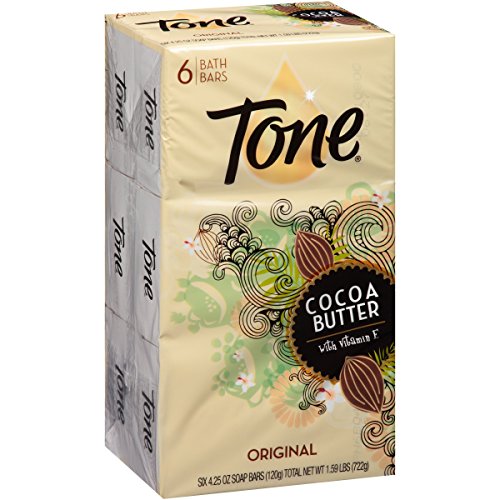
Cocoa butter is nature’s wonderful moisturizing gift to you

COMPLETE 3-PART COLON CLEANSE KIT Includes whole psyllium husk fiber powder, herbal capsules, and herbal tea designed to work together as a convenient 30-day digestive support program. A simple daily routine to support overall gut wellness
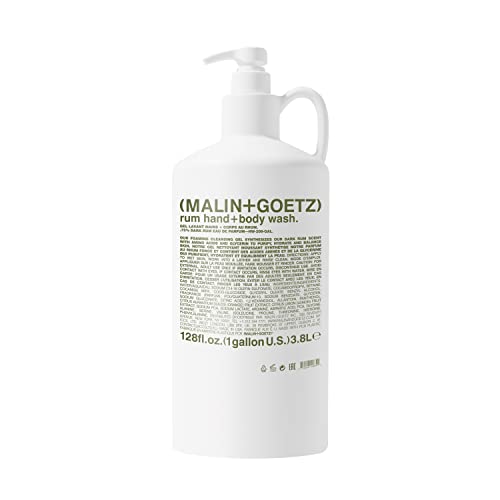
reduce, reuse, and refill. introducing our limited edition, gallon sized rum hand + body wash refill.
Tailoring Cleansing Routines to Different Skin Types
Balancing product formulations for morning and evening routines gains accuracy when cleansing methods adjust to individual skin types. For oily skin, use an oil-free cleanser in the morning to control shine and double cleansing at night to eliminate makeup and sweat effectively. Dry skin demands a gentle hydrating cleanser both AM and PM, adding cream-based products during nighttime skincare routines to retain moisture. Sensitive skin requires fragrance-free, soothing cleansers in both routines, avoiding irritation from harsh ingredients. Combination skin benefits from lightweight gel cleansers in the morning to manage T-zone oiliness and richer, nourishing cleansers at night. Tailor cleansing routines to specific skin concerns; for example, acne-prone skin should include salicylic acid in the morning routine and reparative retinol at night, ensuring thorough care aligned with skin type. Incorporating cleansers with salicylic acid or charcoal can be particularly effective for managing blackheads and maintaining clear pores.
Recommended Products

RINSE-FREE MAKEUP REMOVER - This 3-in-1 formula is a micellar water that removes makeup from the face and eyes, as well as cleanses and tones skin.

2-fluid ounce tube of Neutrogena Oil-Free Pink Grapefruit Acne Wash Foaming Face Scrub with salicylic acid acne medicine to help treat acne breakouts and pesky pimples while gently exfoliating your skin

Common Pitfalls in Cleansing Practices
A frequent error in skincare is over-cleansing, which damages the skin’s protective barrier, causing dryness, irritation, and reactive oil secretion. Experts emphasize the necessity to adjust your routine based on skin types, avoiding harsh cleansers with sulfates for sensitive or dry skin. Skipping the morning cleanse can lead to clogged pores, as overnight oil and dead cells accumulate. Nightly double cleanse is essential, especially for makeup wearers, to remove residual impurities fully. Use gentle foaming or cream cleansers, and rinse thoroughly with lukewarm water for at least 30 seconds to avoid product buildup. Dermatologists recommend applying a nickel-sized amount of cleanser, massaging in circular motions for 60 seconds. Neglecting these steps hinders the effectiveness of subsequent skincare products and invites breakouts, emphasizing adherence to proper cleansing practices. Incorporating alcohol-free cleansers with hydrating ingredients like hyaluronic acid and ceramides can help maintain the skin’s natural moisture barrier while effectively cleansing.
Recommended Products

YOUR DAILY ROUTINE. Our best-selling, clinically-proven 3-step skincare system—now upgraded with targeted 360-degree eye care. This enhanced routine cleanses, hydrates, and visibly improves skin, helping to reduce the look of fatigue, puffiness, and dark circles around the eyes.

Signature Skincare Set: This luxurious 5-piece collection features our iconic bestsellers for your daily routine. Includes Cleansing Balm, Restorative Mask, Balancing Mist, Ritual Oil and Moisture Rich Balm. Beautifully presented in a gift-ready box.

The Ultimate All-Encompassing Skincare Collection: Experience the definitive expression of theBella & Bear Botanicals philosophy with The Complete Ritual. This expertly curated set provides every step needed for truly transformational skin health, delivering a continuous, 24-hour cycle of protection, correction, and restoration for your most radiant, resilient, and balanced complexion.
Enhancing Skin Health Through Consistent Cleansing
Maintain consistent cleansing in both morning and evening routines to remove oils, sweat, dirt, and pollutants effectively, thereby supporting ideal skin health. Experts emphasize morning cleansing to eliminate overnight impurities and prepare skin for environmental stress, while evening routines require double cleansing to thoroughly remove makeup, sunscreen, and accumulated debris. Use gentle cleansers formulated for specific skin types, applying a pea-sized amount to damp skin, massaging for 30 seconds before rinsing. This protects the moisture barrier and prevents irritation. Dermatologist Dr. Lee notes, “Consistent cleansing supports the skin’s microbiome, essential for balanced oil production and improved texture.” Prioritize cleansing to enhance product absorption, especially serums and moisturizers applied post-cleansing. Neglecting evening cleansing risks clogged pores and diminished skin renewal, impairing long-term health and appearance. To optimize hydration after cleansing, consider adding a balm moisturizer with natural occlusives like beeswax and plant oils to lock in moisture and nourish the skin.
Frequently Asked Questions
Can Skipping Cleansing in the Morning Harm My Skin?
Skipping morning cleansing can reduce cleansing benefits by allowing pore impurities and bacteria growth, potentially increasing oil production. However, careful product formulation addressing skin sensitivity and hydration can mitigate aging effects and protect against sun exposure damage during the morning routine.
How Does Water Temperature Affect Cleansing Effectiveness?
Hot water benefits cleansing by loosening dirt but can damage hydration levels and pH balance. Cold water drawbacks include poor residue removal. Lukewarm effectiveness balances cleansing and skin sensitivity, making it ideal for most cleansing rituals and temperature preferences.
Are There Cleansing Alternatives for Sensitive Skin Types?
Cleansing products with gentle ingredients, moisturizing cleansers, and fragrance-free options suit sensitive skin. DIY cleansers and hydrating toners help maintain pH balance and skin barrier integrity. Patch testing identifies sensitivity triggers effectively.
How Frequently Should Deep Cleansing Be Performed Weekly?
Weekly deep cleansing is generally recommended once or twice, depending on skin type considerations. Proper product selection, balancing oil production, and hydration importance within a skincare routine optimize deep cleanse benefits, skin texture improvement, and cleansing frequency recommendations. Time of day can also influence effectiveness.
Can Diet Impact the Results of Cleansing Routines?
Like Hippocrates said, “Let food be thy medicine,” dietary effects profoundly influence cleansing outcomes by modulating oil production, inflammation reduction, skin hydration, and gut health through nutrient absorption, antioxidant benefits, managing sugar intake, food sensitivities, and meal timing.


