As an Amazon Associate, we earn from qualifying purchases. Some links on this site are affiliate links at no extra cost to you. Our recommendations are based on thorough research and editorial judgment.


How Long Does It Take to See Results From Serums

Results from serums vary by active ingredient and skin type. Experts recommend applying 3 to 5 drops twice daily on clean, lightly damp skin for ideal absorption. Hyaluronic acid provides immediate hydration, while Vitamin C shows brightness improvements around three weeks. Retinol requires six weeks to six months for texture benefits. Consistency is critical; skipping applications delays progress. Monitor skin reactions carefully and introduce one serum at a time. Additional insights cover layering techniques and professional consultations to maximize results.
Key Takeaways
- Vitamin C serums typically show brightness improvements in about three weeks after regular use.
- Retinol serums may take six weeks to six months to improve skin texture and appearance.
- Hydrating serums with hyaluronic acid provide immediate moisture and visible hydration benefits within two months.
- Consistent daily application for 4 to 12 weeks is essential for optimal serum effectiveness.
- Skin type and proper application significantly influence the speed and visibility of serum results.
Understanding Serum Ingredients and Their Effects
You may be interested


Serums contain active ingredients specifically formulated to address targeted skin concerns, and understanding these components is essential for effective use and realistic expectations. Experts advise selecting serums based on skin type and desired outcomes, as ingredient potency varies considerably. For instance, Vitamin C may deliver visible brightening results within approximately three weeks, while retinol requires consistent use over six weeks to six months to improve texture and reduce fine lines. Hydrating serums, rich in hyaluronic acid, provide immediate moisture and plumping effects, with improved texture manifesting after four to six weeks. Dermatologists emphasize that time it takes for visible results depends on ingredient concentration, skin condition, and adherence to routine. Follow these directives: apply serums daily, observe skin reactions, and be patient—premature discontinuation risks negating benefits and delaying progress substantially. Additionally, choosing serums with an effective niacinamide concentration between 5% and 12% can significantly enhance outcomes for various skin concerns.
Recommended Products
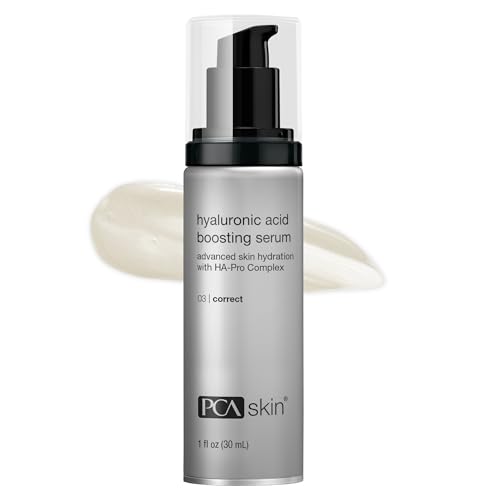
INSTANT AND LONG-LASTING HYDRATION: PCA SKIN Hyaluronic Acid Boosting Face Serum delivers immediate and long-term hydration* to skin, helping prevent water loss and boosting moisture levels so skin looks beautiful and healthy

Item Package Length: 4.318cm
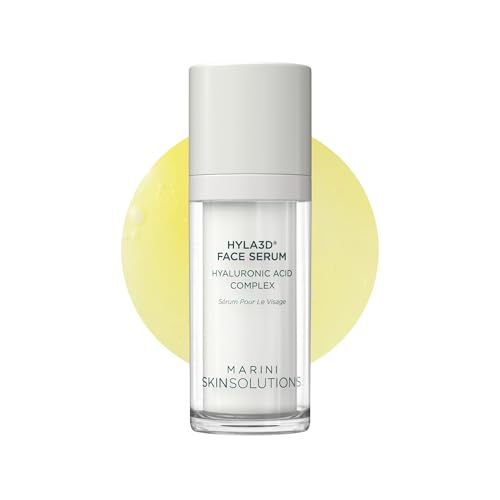
HYALURONIC ACID SERUM - Hyla3D Face Serum features our patented blend of 5 hyaluronic acid (HA) supporting technologies for radiant skin & restoring skin's youthful bounce. The weightless serum delivers lasting hydration to rejuvenate & replenish.
Immediate Results You Can Expect From Serums
After identifying the active ingredients and their typical timelines for effectiveness, consider what immediate changes to expect upon application. Serums containing Hyaluronic Acid deliver immediate hydration results, improving skin moisture within minutes. Vitamin C serums produce visible brightening effects right after use, enhancing skin radiance considerably. Experts emphasize applying serums evenly on clean skin to maximize these immediate results. Active ingredients like those in Brighten-i Eye Cream provide instant visible improvements, especially reducing under-eye dullness. Follow instructions carefully: apply a pea-sized amount to targeted areas, avoiding excessive layering which may reduce absorption. While these immediate effects signal product efficacy, understand they do not replace longer-term benefits. Achieving sustained improvement requires regular use consistent with product guidelines. For best absorption, it is advised to apply serums to slightly damp skin, enhancing the effectiveness of hydrating ingredients.
Recommended Products

⭐Reduce visible traces of aging young and energetic-glow

Advanced Anti-Aging Solution: Crafted to target wrinkles and expression lines, ideal for complementing non-invasive cosmetic treatments

TNS Advanced+ Serum improves the appearance of coarse wrinkles, fine lines, skin tone, and texture
Typical Timeframe for Visible Changes
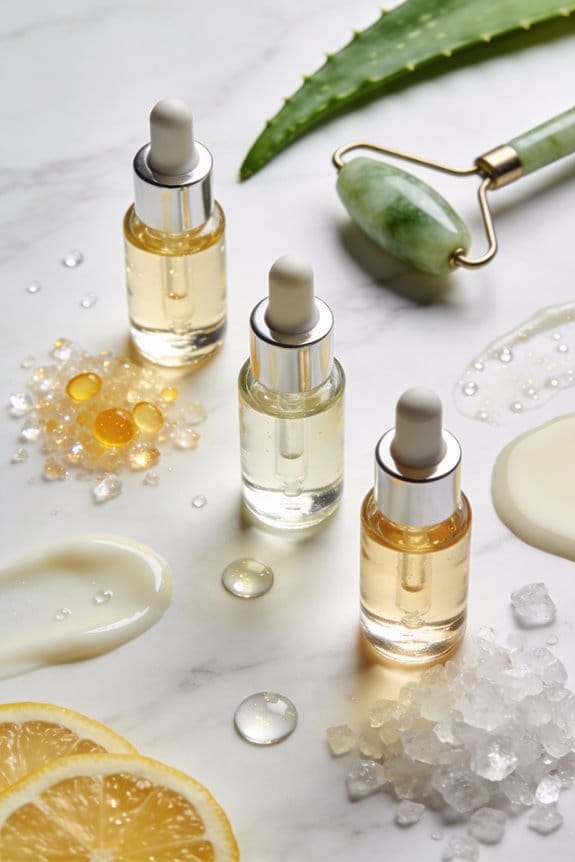
Although some active ingredients deliver visible effects within minutes, users must allow several weeks or months to observe meaningful skin improvements from topical serums. Typically, serums show noticeable changes within three weeks to six months, depending on formulation and target concerns. For example, Vitamin C serums enhance skin brightness in about three weeks with consistent application, while hyaluronic acid provides immediate hydration but requires up to two months for significant skin texture improvement. Retinol-based serums demand between six weeks and six months for best results like fine line reduction. Experts emphasize consistent daily use as key; discontinue premature application to avoid misjudging effectiveness. Users should document progress regularly and adhere strictly to recommended dosages to maximize visible, long-term serum benefits and achieve reliable, measurable skin enhancement over time. Additionally, using retinol serums with hydrating agents like hyaluronic acid can enhance effectiveness and reduce irritation.
Recommended Products

AZELAIC ACID: This face serum controls melanin production which reduces pigmentation and brown spots by 39.7%, and brightens skin by 29.4% over 30 days of your skin care.

Revolutionary Skin Transformation - The Resurfacing Compound harnesses the power of antioxidants, stabilized Vitamin C and E, stable Retinol, and Multi-Hydroxy Acids to brighten, resurface, and renew your skin, delivering visible improvements in texture, tone, and fine lines in as few as three days.
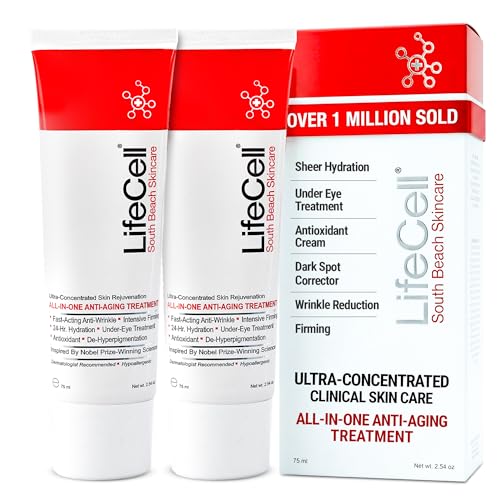
ANTI AGING CREAM - Lifecell All in One Anti Aging Treatment is dermatologist tested and proven to reduce the appearance of wrinkles, fine lines, skin discoloration, and other signs of aging
How Skin Type Influences Serum Effectiveness
Because skin type directly affects absorption rates and reactivity, select serum formulations based on specific characteristics such as oiliness, dryness, sensitivity, or combination skin. Oily skin requires lightweight, water-based serums for faster serum effectiveness, while dry skin needs products that boost hydration levels and moisturization before noticeable improvements arise. Sensitive skin demands gradual introduction of serums to monitor unique skin responses and avoid irritation, which can delay visible results. Combination skin users must target varied skin concerns with specialized serums, often extending the time to see results due to differing needs across facial zones. Experts emphasize adapting serum use to enhance skin cells’ receptivity. Failure to tailor serums per skin type risks suboptimal outcomes, stressing the critical role of selecting appropriate formulations to achieve consistent and measurable skin improvements efficiently. Additionally, choosing products with fragrance-free formulations can help prevent irritation and improve serum tolerability, especially for sensitive skin types.
Why Consistency Is Key in Skincare
How often should serums be applied to achieve ideal skin improvements? Experts emphasize consistent, daily application as essential to see results within 4 to 12 weeks. Applying serums every morning and evening guarantees active ingredients properly penetrate the skin, addressing targeted concerns efficiently. Dermatologist Dr. Lee recommends, “Do not skip doses; irregular use delays visible improvements and reduces long-term benefits.” Maintain a structured skincare routine to help skin adapt to new active ingredients, minimizing irritation risks. Skipping applications interrupts cumulative effects that many serums rely on. Consistency fosters a stable skin environment, preventing regression and maximizing efficacy. For best results, use the recommended serum quantity—typically 3 to 5 drops per application—allowing full absorption before follow-up products. Adherence to this regimen delivers reliable, progressive skin enhancement. In addition, storing products in cool, dark places helps preserve active ingredient potency for optimal results.
Managing Expectations With Active Ingredients
When introducing active ingredients into a skincare regimen, set realistic expectations regarding the timeline and types of results to avoid disappointment and guarantee compliance. Experts advise recognizing that serums with Vitamin C may begin to show improvements by three weeks, while Retinol often requires six weeks to several months for significant changes. Skin condition severity influences how long it will take to see results, with more severe concerns needing extended use. Emphasize patience and consistent application because individual skin types respond differently to active ingredients. Monitor progress over a period of four to six weeks before judging effectiveness. Dermatologists recommend documenting visible changes to distinguish between initial irritation and genuine improvement. Use skincare products as directed, avoiding premature discontinuation to achieve noticeable results. Understanding these timeframes prevents unrealistic expectations and supports long-term regimen adherence. For example, with retinoids like adapalene, a pea-sized amount is typically used once nightly to minimize irritation and optimize results.
The Role of Hydration in Skin Improvement
Although often overlooked, hydration plays a critical role in skin improvement by preserving elasticity, minimizing fine lines, and enhancing overall texture. Experts recommend using hydrating serums containing Hyaluronic Acid, which provide noticeable improvements in skin tone and reduce the appearance of fine lines within minutes. Consistent use over 4–6 weeks leads to improved skin texture and a plump, healthy skin appearance. Hydration strengthens the skin’s barrier, helping to reduce sensitivity and irritation effectively. Apply 2–3 drops of a serum to clean skin twice daily, allowing full absorption before other products. Remember, serums designed for hydration optimize complexion health and set a foundation for improved skin resilience. Maintain consistent hydration to achieve lasting benefits and visibly enhanced skin quality. Choosing serums with multiple molecular weights of hyaluronic acid ensures hydration penetrates deeply for more effective skin improvement.
Combining Serums With Other Skincare Products
Why must serums be layered carefully with other skincare products? Combining serums demands a strategic approach to guarantee the active ingredients achieve effective absorption without causing irritation. Experts advise applying serums after cleansing and toning but before heavier creams or oils to maximize hydration and penetration. Layer water-based serums first, followed by oil-based products, allowing a few minutes between applications to prevent dilution and enhance efficacy. Introduce new serums sequentially to monitor individual effects and avoid overwhelming the skin. Confirm compatible ingredients when mixing multiple serums, as incompatible actives can reduce effectiveness or increase sensitivity. Follow these steps to enhance results: cleanse, tone, apply serum, wait 2–3 minutes, then add moisturizer or oil. Maintaining this regimen guarantees serums perform effectively within a balanced skincare routine. Incorporating a pH-balanced formula in your routine can minimize irritation and improve serum absorption.
Recommended Products

🌟 ADVANCED ANTI-AGING FORMULA. Experience real, long-lasting results with InfiniteAloe Gold, a breakthrough all-in-one anti-aging solution. Powered by nano delivery technology, this revolutionary formula penetrates deep into the skin to deliver powerful nutrients for 18-24 hours—unlike ordinary water-based creams that sit on the surface.

Reparative Serum: Maintain youthful, radiant looking skin with The Answer reparative face serum formulated with pro-collagen supporting ingredients and natural hyaluronic acid to help improve the appearance of fine lines, uneven texture, and dullness.

Achieve Radiant Skin - Formulated to help reduce wrinkles, fine lines, dark & brown spots in as little as 2 weeks, this water based face serum for women promotes youthful skin while improving elasticity.
Monitoring Your Skin’s Response to New Serums
Because skin cell turnover typically requires 4 to 6 weeks, experts emphasize allowing this period before evaluating serum effectiveness to guarantee reliable results. Begin monitoring the skin’s response to new serums immediately, noting any adverse reactions such as redness or irritation; discontinue use if these appear. Introduce only one serum at a time and be patient for significant results, which may take several weeks despite some instant hydration. Carefully track improvements in skin texture, tone, and hydration levels regularly to accurately assess efficacy. Experts advise maintaining detailed records of changes to differentiate between natural fluctuations and actual serum benefits. Consistent, objective monitoring helps minimize potential risks while maximizing therapeutic outcomes, allowing informed decisions about product continuation or adjustment. Additionally, it is beneficial to perform patch testing with new products to avoid adverse reactions and ensure skin compatibility.
When to Seek Professional Skincare Advice
When should an individual seek professional skincare advice after beginning a new serum routine? If no visible improvement occurs within 4-6 weeks, consult a skincare professional to appraise serum efficacy and recommend tailored products. Immediate professional consultation is mandatory with persistent irritation or adverse reactions to prevent worsened skin condition. Experts advise seeking medical advice when dealing with specific skin concerns such as severe acne or hyperpigmentation, as these require targeted serums and monitored application. Unexpected changes like increased dryness or breakouts signal the need for appraisal and possible product adjustment. Regular follow-ups with a skincare professional help in evaluating progress and modifying routines. Prioritize professional consultation to guarantee safety, optimize product benefits, and manage skin concerns effectively under expert guidance. Additionally, understanding the ingredient profiles and sensitivities, such as the benefits of paraben-free cleansers, can assist professionals in recommending the most suitable formulations.
Enhancing Serum Results With In-Office Treatments
Integrate in-office treatments such as chemical peels, laser therapy, and microneedling to amplify serum absorption and accelerate results. These professional interventions increase skin permeability, allowing serums to penetrate deeper and enhance overall effectiveness. Experts recommend combining serums with regular in-office treatments every few weeks to maintain and boost improvements, with visible changes appearing in days rather than weeks. Professional facials also play an essential role by performing deep cleansing and hydration, which prepares the skin for maximum serum performance. To maximize benefits, select treatments targeting specific concerns like aging or pigmentation. Follow post-treatment guidelines strictly to avoid compromising skin integrity and serum efficacy. This strategic approach effectively leverages both at-home serums and clinical procedures for faster, more durable skin enhancement.
Recommended Products

This advanced retexturizing serum revitalizes dull and tired skin. It exfoliates while visibly reducing the signs of aging, for a new skin effect.

20% TRIPLE-ACID PEEL — PROFESSIONAL RESULTS, ZERO DOWNTIME: Get spa-grade chemical peel results at home — without redness, peeling, or recovery days. Our triple-acid complex of Lactic Acid (10%), Mandelic Acid (5%), and Tartaric Acid (5%) resurfaces at multiple skin depths simultaneously, helping skin look visibly renewed, more refined, and clearer. 98% of users in our clinical study experienced zero irritation, redness, or downtime — safe for nightly use on sensitive and acne-prone skin.

MedPeel Medium Strength Chemical Peel Set - with Alpha & Beta Hydroxy Acid Face Peel for all Skin Tones - 20% Salicylic 1oz, 50% Glycolic, 30ml/1fl oz
Frequently Asked Questions
What Works 11 Times Faster Than Retinol?
Bakuchiol effectiveness surpasses retinol, working 11 times faster in enhancing collagen production and anti-aging properties. Combined with niacinamide benefits, vitamin C, and peptides, serums’ absorption rate and ingredient synergy optimize a skincare routine’s visible results.
How Do You Know if Serum Is Working?
Subtle whispers of progress emerge through serum application, reflecting skin type and product formulation. Visible improvement in hydration, tone, or texture, aligned with active ingredients and timeframe expectations, confirms efficacy when supported by application consistency and testing methods addressing skin concerns.
What Is the 4 2 4 Rule in Skincare?
The 4 2 4 Rule in skincare involves cleansing four minutes with oil, two minutes with water, and four minutes rinsing, optimizing facial cleansing. This enhances serum application, ingredient synergy, absorption rate, hydration levels, and product layering tailored to skin type.
Is It Better to Pat or Rub Serum?
Studies show 85% improved serum absorption with patting. Application techniques favor patting benefits, enhancing serum consistency and layering products. Rubbing drawbacks include irritation. Best practices recommend patting to suit diverse skin types and optimize skincare rituals.


