As an Amazon Associate, we earn from qualifying purchases. Some links on this site are affiliate links at no extra cost to you. Our recommendations are based on thorough research and editorial judgment.


Understanding Targeted vs. Multi-Purpose Serums

Targeted serums contain high concentrations of specific ingredients like 10–20% vitamin C or 2–5% niacinamide to address distinct skin issues, improving collagen and texture. Multi-purpose serums blend hydrators such as hyaluronic acid with brightening agents and peptides to treat multiple concerns concurrently, ideal for streamlined routines. Apply targeted serums on clean, damp skin with 3–4 drops, layering from thinnest to thickest. Combining strong actives requires caution to prevent irritation. Further details clarify excellent usage and selection criteria.
Key Takeaways
- Targeted serums focus on treating specific skin issues with high concentrations of active ingredients like retinoids or vitamin C.
- Multi-purpose serums combine multiple actives to address various concerns such as hydration, brightening, and anti-aging in one formulation.
- Targeted serums penetrate deeply to improve texture and firmness by stimulating collagen production and addressing defined concerns.
- Multi-purpose serums simplify skincare routines, providing balanced benefits with ingredients like hyaluronic acid and peptides for daily use.
- Proper skin assessment ensures choosing between targeted or multi-purpose serums, matching primary skin needs and minimizing irritation risks.
What Defines a Targeted Serum

You may be interested


A targeted serum is a specialized skincare product designed to treat a singular, defined skin condition with concentrated active ingredients. These serums aim to target specific skin concerns such as pigmentation, acne, fine lines, or dehydration through high concentrations of active compounds. Experts advise selecting serums containing targeted ingredients like retinoids for anti-aging, salicylic acid for acne, or vitamin C for brightening. Use targeted serums only after cleansing and toning to maximize absorption. Dermatologist Dr. Lee states, “Precise ingredient delivery guarantees enhanced efficacy, but improper use reduces benefits.” Follow these steps: identify your primary skin concern; choose a serum with potent concentration; apply a pea-sized amount to affected areas; avoid mixing incompatible actives. Prioritize quality formulations to guarantee targeted ingredients penetrate effectively, delivering clinically significant results. Additionally, selecting products free of harsh chemicals and synthetic fragrances helps minimize skin irritation and supports sensitive skin during treatment.
Characteristics of Multi-Purpose Serums

Multi-purpose serums combine several active ingredients in precisely balanced concentrations to address diverse skin concerns simultaneously, improving overall skin health with one formulation. These serums integrate hydrators like hyaluronic acid to maintain skin moisture, anti-aging components such as peptides to enhance elasticity, and brightening agents like niacinamide, which also soothes irritation. Experts recommend choosing multi-purpose serums with stable active ingredients to guarantee consistent efficacy over time. Incorporate these serums into skincare routines to reduce product clutter and streamline application steps, especially for those with limited time. To maximize benefits, apply an appropriate amount—typically 2–3 drops—onto clean skin twice daily. Avoid layering multiple potent actives that may destabilize formula balance. Multi-purpose serums provide an efficient, scientifically formulated approach, combining several effects without compromising individual ingredient potency. Many organic moisturizers, such as those containing hyaluronic acid and peptides, complement multi-purpose serums by providing additional hydration and anti-aging benefits without irritating sensitive skin.
Recommended Products
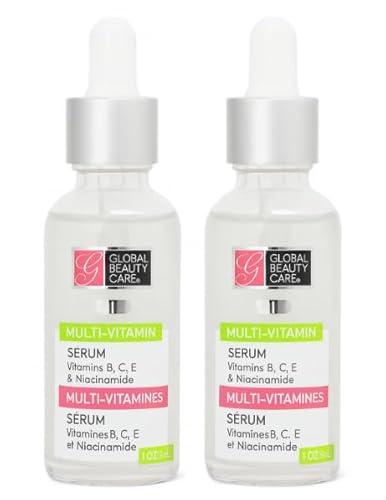
MULTI VITAMIN FACE SERUM FOR SKIN SUPPORT — Lightweight facial serum formulated with vitamins B, C, and E to help support smoother-looking skin and promote a more refreshed and balanced complexion. Helps improve the appearance of dull skin while supporting daily hydration and skin comfort for men and women.

PURE & POTENT SKIN CARE - Our power trio of vitamin C serum, retinol serum and hyaluronic acid serum is a full face serum set for brightening, firming and hydrating your skin – made with natural and organic ingredients you can feel good about.

Welcome to the glowiest, lightest weight luminizer. This lightweight, non-comedogenic illuminator is your forever first step under makeup for a hydrated, glowy radiance.
Key Ingredients in Targeted Serums

Targeted serums contain high concentrations of specific active ingredients carefully selected to combat individual skin concerns with precision and potency. Experts recommend formulations with vitamin C at 10–20% concentration to guarantee antioxidant protection and skin brightening. Address fine lines and wrinkles by using peptides, which stimulate collagen production and improve skin elasticity. For hydration, include hyaluronic acid at 1–2% to promote deep moisture retention. Niacinamide, commonly dosed at 2–5%, enhances skin texture and reduces redness effectively. Note that targeted serums have smaller molecular sizes, allowing deeper penetration compared to multi-purpose serums. To maximize results, apply targeted serums on clean, dry skin and follow with moisturizers. Avoid layering multiple active ingredients that might cause irritation without guidance from a skincare professional. Combining retinol with hydrating and soothing ingredients such as peptides and hyaluronic acid can further reduce irritation potential.
Recommended Products

BRIGHTENS SKIN & VISIBLY FADES DARK SPOTS: Powered by advanced stabilized Vitamin C and Licorice Root Extract to visibly brighten dull skin, improve uneven tone, and reduce the appearance of dark spots. Serum helps skin look brighter, healthier and shows visible improvement in discoloration with consistent use.
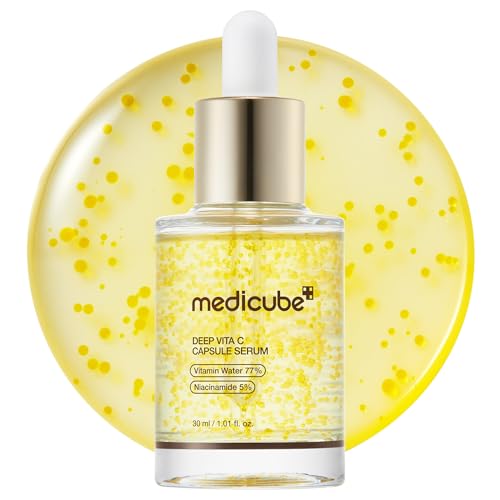
[Skin Vitality Care] Formulated with 99% high-purity Vitamin C to help revive the look of tired, dull skin and support a more vibrant, energized complexion.

POWERFUL VITAMIN C FACE SERUM FOR RADIANT SKIN – Infused with a stabilized form of Vitamin C and ginseng, this antioxidant-rich serum visibly brightens dull skin, fades dark spots, and helps even out skin tone for a glowing, healthy complexion.
Common Active Components in Multi-Purpose Serums
Formulations combining several active ingredients must balance hydration, anti-aging, and brightening effects to avoid overwhelming skin. Multi-purpose serums typically include common active components such as hyaluronic acid, which delivers intense hydration by retaining up to 1,000 times its weight in water. Vitamin C functions as a brightening antioxidant, recommended by experts to be present at 10-20% concentration for optimal skin tone improvement. Glycolic acid, an alpha hydroxy acid (AHA), facilitates gentle exfoliation at 5-10%, increasing cell turnover and enhancing clarity. Additionally, peptides stimulate collagen production, improving elasticity and reducing wrinkles. When selecting multi-purpose serums, prioritize formulas that integrate these ingredients at clinically supported concentrations to guarantee efficacy without irritation. Dermatologists caution against combining potent actives without guidance, emphasizing gradual introduction to monitor skin response effectively. Including complementary antioxidants like Vitamin E and Ferulic Acid can enhance Vitamin C’s stability and efficacy in these formulations.
Benefits of Using Targeted Serums
Effective skincare demands the integration of serums with focused active ingredients at higher concentrations, designed to target specific concerns such as pigmentation, aging, or acne. Targeted serums contain potent compounds—such as retinol for anti-aging, vitamin C for brightening, or salicylic acid for acne control—that address specific skin concerns with precision. Dermatologists emphasize the importance of selecting serums that penetrate deeply to stimulate collagen production, thereby improving skin texture and firmness. Incorporate targeted serums as a personalized treatment within your regimen to achieve faster, more noticeable results. Follow these expert steps: identify your primary skin issues, choose a serum with concentrated active ingredients tailored to those concerns, apply consistently, and monitor skin response. Avoid combining multiple targeted serums simultaneously to prevent irritation and maximize benefits. Additionally, selecting serums with complementary ingredients like niacinamide and zinc can enhance treatment effectiveness and maintain skin health.
Advantages of Multi-Purpose Serums
Several multi-purpose serums combine a blend of hydrators, antioxidants, and peptides to simultaneously address hydration, aging, and skin tone irregularities. These formulations integrate active ingredients such as hyaluronic acid for moisture retention, vitamin C for antioxidative defense, and peptides common to anti-aging serums. Experts recommend incorporating multi-purpose serums into a skincare routine when efficiency and thorough treatment are priorities. Use one to reduce the number of products applied, as multi-purpose serums deliver multiple benefits without layering separate items. Suitable for combination skin, these serums maintain balance between oiliness and dryness by providing targeted moisture and treatment. Additionally, multi-purpose serums often present cost advantages compared to purchasing several targeted products individually. Select a formula with clearly listed concentrations of hydrators and actives to guarantee efficacy and safety. For example, moisturizers with hyaluronic acid provide lasting hydration and are frequently included in multi-purpose serum formulations.
How to Identify Your Skin Concerns
When evaluating skin concerns, begin with a thorough visual and tactile examination of the facial topography, noting distinct regions of dryness, oiliness, uneven texture, or dullness. Identify specific concerns like pigmentation irregularities—dark spots or melasma—requiring brightening serums with vitamin C or niacinamide. Detect signs of aging, including fine lines, wrinkles, or sagging; these indicate the need for anti-aging targeted treatments containing retinoids or peptides. Assess combination skin, where oily and dry areas coexist, necessitating dual-action serums balancing hydration and oil control. Monitor reactions closely to distinguish sensitive skin from irritation, guiding selection of gentler, fragrance-free formulas. Expert dermatologists advise documenting patterns systematically over two weeks to confirm persistent issues, thereby enabling precise formulation choice tailored to unique skin conditions and optimizing therapeutic outcomes. Incorporating products with collagen peptides and hyaluronic acid can enhance firmness and hydration while addressing multiple skin concerns effectively.
Matching Serums to Specific Skin Issues
Although serums vary widely, the selection must directly correspond to the primary skin issue identified during assessment, guaranteeing that actives target the specific biochemical pathways involved. Experts recommend targeted serums containing high concentrations of active ingredients for precise concerns like pigmentation or oily skin. For instance, serums formulated with vitamin C and niacinamide inhibit melanin production, effectively addressing pigmentation. Hydration-focused serums with hyaluronic acid enhance water retention, benefiting dehydrated skin. Individuals with oily skin should opt for products featuring salicylic acid to reduce excess oil and prevent breakouts. Follow these guidelines to match serum type to skin needs:
- Identify key skin concern(s)
- Select serums with scientifically validated active ingredients
- Use targeted serums for concentrated treatment
This approach guarantees best results through biochemical specificity and potency. Additionally, choosing serums with the ideal concentration of hyaluronic acid between 0.5% and 5% ensures substantial hydration benefits tailored to skin requirements.
Recommended Products

ADVANCED BRIGHTENING FORMULA: Vitamin C helps fight free radical damage and support natural collagen while improving the look of uneven tone, dark spots, and fine lines for a brighter-looking complexion

22% Niacinamide: High-strength Vitamin B3 serum that visibly improves uneven skin tone, texture, and pore size.

SCIENCE & BEAUTY: We produce an array of skin care products inc SPF moisturizers,hyaluronic & niacinamide acids,facial cleansers,vit C serums,retinol skin-tone & wrinkle regimens,anti aging serum,eye cream balm for under-eye,neck firming,decollete
When to Choose a Targeted Serum
Decide on a targeted serum when precise intervention is necessary to address defined skin concerns such as hyperpigmentation, acne, or fine lines by employing formulations with active ingredient concentrations typically ranging from 5% to 20%. Dermatologists advise selecting a targeted serum to treat dark spots or uneven skin tone, using ingredients like vitamin C or niacinamide for rapid pigmentation reduction. For aging signs, prefer targeted serums containing retinoids or peptides to stimulate collagen and improve texture. Prioritize targeted serums when specific skin concerns require potent, customized treatment rather than broad solutions. Apply after cleansing and before moisturizing, ensuring the active ingredients deeply penetrate for maximum efficacy. Experts emphasize avoiding layering multiple actives simultaneously to prevent irritation. Choose a targeted serum to achieve measurable improvements in distinct skin issues efficiently and safely. It is also essential to conduct patch tests before full application to assess skin sensitivity and prevent adverse reactions.
Recommended Products
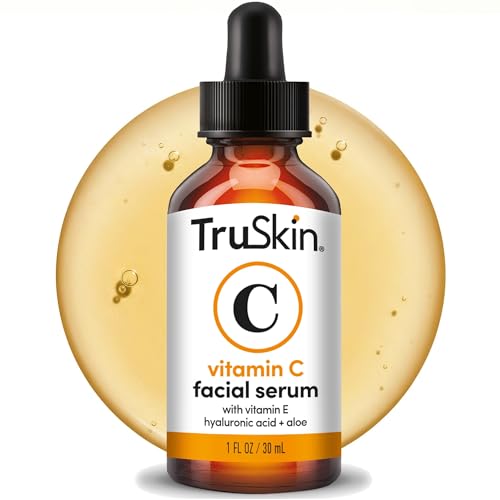
ADVANCED BRIGHTENING FORMULA: Vitamin C helps fight free radical damage and support natural collagen while improving the look of uneven tone, dark spots, and fine lines for a brighter-looking complexion

Dark Spot & Discoloration Care: Fade stubborn dark spots and hyperpigmentation on both the face and body. This targeted skin brightening solution visibly reduces surface discoloration to help you achieve a flawless, completely uniform skin tone.

BRIGHTENING VITAMIN C SERUM: Targets signs of aging by brightening and visibly evening out skin tone, and provides with antioxidant protection.
Situations Ideal for Multi-Purpose Serum Use
Multi-purpose serums suit individuals requiring streamlined skincare routines that target several concerns simultaneously without complex layering. Experts recommend these formulations for users with busy lifestyles or limited space, as they combine active ingredients like antioxidants, hydrators, and brightening agents to address signs of aging while maintaining skin hydration. Dermatologist Dr. Lee advises, “Choose multi-purpose serums containing 2-5% antioxidants and 3-5% hydrators to guarantee effective benefits in minimal steps.” Beginners should adopt these serums to ease into skincare without confusion, starting with one product instead of multiple targeted serums. Additionally, during seasonal shifts, incorporate multi-purpose serums to combat dullness and uneven texture caused by environmental changes. Follow instructions carefully, applying 3-4 drops once daily after cleansing for peak results within 4-6 weeks. For best results, ensure the serum contains ingredients like niacinamide and vitamin C to enhance skin barrier function and provide antioxidant protection.
Recommended Products
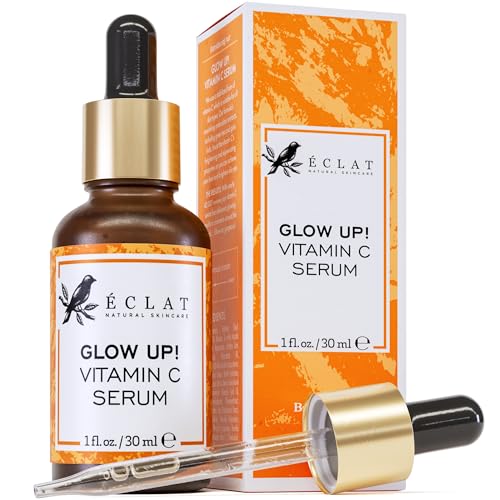
BRIGHTER, MORE RADIANT SKIN: Unlock your skin’s glow with our vitamin c serum for face featuring 3-O Ethyl Ascorbic Acid. It helps enhance skin radiance, promoting a refreshed and luminous look.

[ ANTIOXIDANT BENEFITS ] Antioxidant serum for face formulated with 10% t l-ascorbic acid, the purest form of vitamin C, to help brighten and even skin tone. Protective packaging helps prevent oxidation and maintain product performance.

CLINICALLY SHOWN RESULTS: Our vitamin C complex serum instantly hydrates skin and clinically shown to improve the appearance of fines lines and wrinkles in just 4-weeks, based on an 8-week clinical study on 32 subjects
Potential Risks of Combining Serums
Frequently, combining serums without careful consideration leads to irritation and reduced product effectiveness, especially when mixing active ingredients like retinol and vitamin C. Experts warn that such combinations increase potential risks, including heightened sensitivity and adverse skin reactions. Avoid layering multiple serums containing strong acids (AHAs or BHAs) as they exacerbate skin irritation. Dermatologists advise applying serums in a specific order; for example, use exfoliating serums before hydrating ones to prevent neutralizing effects. Always conduct a patch test to evaluate tolerance, particularly if introducing new active ingredients. Monitor skin type responses closely, as individual sensitivity varies. In sum, understanding the interactions between serums’ active ingredients is essential to minimize risks and maintain peak efficacy in any skincare regimen.
Tips for Optimizing Serum Application
Optimizing serum application begins with preparing the skin properly and knowing the precise amount to use. Apply serums to slightly damp skin immediately after cleansing to enhance absorption and support hydration levels. Use just a few drops—typically three to four—and gently pat the serum rather than rubbing, preserving the moisture barrier and preventing irritation. Allow at least 60 seconds for full absorption before layering moisturizer or other products. When using multiple serums, apply from thinnest to thickest consistency and confirm ingredient compatibility to avoid adverse reactions. Experts advise nighttime application for potent active ingredients, such as retinol, starting with low frequency to monitor skin tolerance. Consistent, precise application optimizes active ingredient efficacy and maintains skin health.
Frequently Asked Questions
What Does Targeted Serum Mean?
A targeted serum means a skincare product designed with specific serum ingredients to address particular skin concerns. It utilizes advanced absorption techniques and precise application methods to deliver targeted benefits effectively and deeply into the skin.
What Is the 4 2 4 Rule in Skincare?
The 4 2 4 rule in skincare routines involves cleansing with oil-based and water-based cleansers, followed by rinsing. It enhances ingredient efficacy and serum application while supporting moisturizing techniques tailored to diverse skin types for ideal results.
What Are the Three Types of Serum?
The three types of serum include hydrating serums, brightening serums containing vitamin C, and anti-aging serums promoting anti-aging benefits. Selection depends on skin types, while proper application techniques enhance effectiveness for targeted skincare results.
Is Niacinamide a Targeted Serum?
Niacinamide is considered a targeted serum due to its specific benefits, including acne treatment, hydration boost, and improving skin texture. It combines effectively with other skincare ingredients, enhancing serum application outcomes across diverse skin concerns.

