As an Amazon Associate, we earn from qualifying purchases. Some links on this site are affiliate links at no extra cost to you. Our recommendations are based on thorough research and editorial judgment.


The Difference Between Water-Based and Oil-Based Serums

Water-based serums primarily contain water and active ingredients like 5-20% vitamin C and 1-2% peptides, offering lightweight hydration and rapid skin absorption. Experts recommend applying these serums on damp skin for enhanced efficacy during warm, humid conditions or morning routines. Oil-based serums consist of at least 10% nourishing oils such as jojoba and rosehip, designed to seal moisture and reinforce the skin barrier, best used at night or in dry climates. Proper selection depends on skin type and environmental factors, with detailed usage protocols available for optimized skincare.
Key Takeaways
- Water-based serums are lightweight, absorb quickly, and primarily hydrate skin with ingredients like hyaluronic acid and vitamin C.
- Oil-based serums consist mainly of nourishing oils that lock in moisture and repair the skin barrier, ideal for dry or mature skin.
- Water-based serums are best applied on clean, damp skin and suited for morning use and humid climates.
- Oil-based serums work well as the final skincare step to seal moisture, especially at night and in cold, dry weather.
- Combining both serums enhances hydration and protection by layering active ingredients and sealing moisture effectively.
What Are Water-Based Serums?

You may be interested


Water-based serums, defined by their primary ingredient water, offer a lightweight formulation that absorbs rapidly without leaving oily residue. Dermatologists recommend these serums for hydration, particularly for oily and acne-prone skin types, due to their non-comedogenic nature which prevents clogged pores. Apply a few drops of water-based serum containing hyaluronic acid immediately after cleansing and toning to boost moisture retention. Experts instruct users to layer water-based serums under moisturizers to enhance skin hydration and support the skin barrier without causing heaviness. These serums absorb quickly, enabling effective layering with facial oils or sunscreens. Avoid excessive product amounts—two to three drops suffices for full-face coverage. Consistent use improves skin texture and hydration without disrupting sebum balance, making water-based serums a foundational skincare step for sensitive or combination skin. Incorporating serums with hyaluronic acid maximizes hydration due to its superior water retention capabilities.
Key Ingredients in Water-Based Serums

Effective hydration and skin support depend heavily on the active ingredients chosen in serums focused on aqueous formulations. Water-based serums typically contain Hyaluronic Acid, which retains up to 1000 times its weight in water, delivering incredible hydration rapidly. Vitamin C is vital; it provides antioxidant defense, brightens skin, and promotes collagen synthesis. Niacinamide plays a multifaceted role by improving texture, reducing redness, and minimizing pores and fine lines. Incorporate peptides, the building blocks for collagen and elastin, to enhance skin resilience. Experts emphasize maintaining an hourglass rate of absorption to maximize ingredient effectiveness while preventing irritation. For ideal results, use products with these active ingredients at appropriate concentrations—typically 1-2% for peptides, 5-10% for Niacinamide, and 10-20% for Vitamin C. This approach guarantees effective, non-greasy hydration and skin revitalization. Additionally, applying serums on slightly damp skin can significantly improve absorption and enhance hydration effects.
Recommended Products
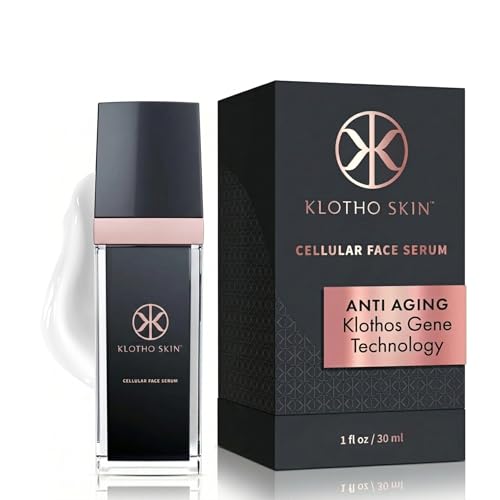
TARGETED FACE SERUM FOR VISIBLE AGING – This anti aging face serum helps improve the appearance of fine lines, wrinkles, elasticity, and texture. Designed for daily use as a concentrated anti aging serum for women and men.

SK-II's Favorites, All in One Set - This skincare set is perfect for the complete PITERA™ experience and a comprehensive anti-aging regimen. These face products are true standouts!
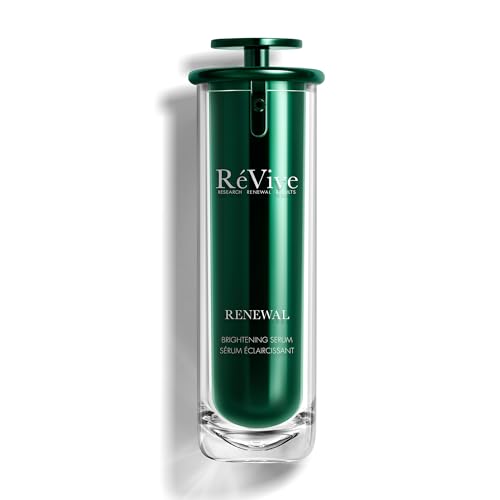
BRIGHTENING & TONE-REFINING SERUM FOR RADIANCE – Designed for daily use, this facial serum helps improve the look of dull, uneven-looking skin while leaving the complexion smoother, softer, and more luminous.
Advantages of Using Water-Based Serums

When selecting a serum for oily or acne-prone skin, prioritize lightweight formulations that absorb swiftly to prevent pore obstruction. Water-based serums deliver essential hydration without adding unnecessary oil, making them ideal for maintaining a balanced moisture barrier. Experts recommend using serums containing hyaluronic acid, which retains up to 1000 times its weight in water, ensuring deep moisture. Dermatologists emphasize their non-comedogenic nature, which reduces breakout risk. Additionally, water-based serums often incorporate Vitamin C, known for brightening skin and supporting collagen production, vital for skin resilience. Apply these serums before moisturizers and sunscreens to enhance overall skin hydration efficiently. Follow instructions carefully to layer correctly and avoid heavy residues typical of oil-based alternatives. This approach optimizes lightweight hydration and skin clarity, particularly for sensitive or problematic skin types. Serums with multiple types of hyaluronic acid can provide even deeper hydration and moisture retention without feeling heavy on the skin.
Recommended Products

🌟 ADVANCED ANTI-AGING FORMULA. Experience real, long-lasting results with InfiniteAloe Gold, a breakthrough all-in-one anti-aging solution. Powered by nano delivery technology, this revolutionary formula penetrates deep into the skin to deliver powerful nutrients for 18-24 hours—unlike ordinary water-based creams that sit on the surface.

Reparative Serum: Maintain youthful, radiant looking skin with The Answer reparative face serum formulated with pro-collagen supporting ingredients and natural hyaluronic acid to help improve the appearance of fine lines, uneven texture, and dullness.

Achieve Radiant Skin - Formulated to help reduce wrinkles, fine lines, dark & brown spots in as little as 2 weeks, this water based face serum for women promotes youthful skin while improving elasticity.
What Are Oil-Based Serums?
Oil-based serums consist primarily of nourishing oils such as jojoba, argan, or rosehip, designed to lock in moisture and reinforce the skin’s barrier function. These serums provide intense hydration by strengthening the skin’s natural barrier and preventing transepidermal water loss. Experts recommend applying oil-based serums as the final step in a skincare routine, ideally in the evening, to maximize moisture retention. Their rich texture delivers essential fatty acids and nourishment, promoting skin health and resilience. Due to their hydrating properties and thicker consistency, oil-based serums often leave a dewy finish. Users should apply them over water-based products to enhance efficacy. Dermatologists stress that these serums suit dry or mature skin types, as they combat dehydration and support barrier repair, elevating overall skin quality effectively and safely. Incorporating oil-based serums with key lipids like ceramides and fatty acids further enhances the skin’s barrier restoration and moisture retention.
Key Ingredients in Oil-Based Serums
Numerous key ingredients define the efficacy of oil-based serums, primarily consisting of nourishing oils rich in essential fatty acids, antioxidants, and vitamins. An effective oil-based serum must include oils like jojoba oil and rosehip oil, known for their composition of fatty acids that enhance skin hydration and restore the moisture barrier. Incorporate antioxidants such as vitamins A and E to protect skin cells from oxidative stress and promote repair. Experts recommend selecting formulations with a minimum of 10% combined nourishing oils to guarantee sufficient emollience and moisture retention. Botanical extracts may be added to reduce inflammation and support sensitive skin conditions. Attention to ingredient concentration and purity assures that the serum maintains a balance between hydration and protection without clogging pores or causing irritation. Additionally, including hydrating agents such as hyaluronic acid can enhance the serum’s ability to retain moisture and improve skin smoothness.
Recommended Products

REBALANCING CLEANSER: Our rosehip oil and geranium-infused cleanser gently dissolves excess oil, lifts impurities, and helps maintain skin’s natural balance while soothing redness and irritation.

GLOWING SKIN: A biocompatible, antioxidant-rich face oil that restores optimal hydration.

🌿 REDUCES OILINESS & ACNE: Balance Skin Serum helps control excess oil and clears pore-clogging bacteria with Sunflower Oil, Jojoba oil, Rosemary Essential Oil, and more
Advantages of Using Oil-Based Serums
Five key benefits distinguish oil-based serums as essential components in skincare routines targeting hydration and repair. Oil-based serums contain essential fatty acids and antioxidants that create a protective barrier, preventing moisture loss and shielding skin from environmental damage. Experts advise applying these serums over water-based products to lock in hydration and maximize skin benefits. Their thicker texture delivers intense hydration, especially advantageous for dry, mature, or sensitive skin, aiding in anti-aging by reducing dryness and promoting skin repair. Additionally, oil-based serums improve texture and enhance natural glow by soothing irritation with active ingredients. Dermatologists recommend using them as the final step in nighttime routines to seal moisture effectively. To optimize results, apply a pea-sized amount evenly, massaging gently until fully absorbed. Moreover, combining oil-based serums with ceramide-rich options can strengthen the skin barrier and soothe redness, boosting overall skin health.
Recommended Products

A Complete Skin Brightening System: The Obagi Nu-Derm Fx System is a complete skincare routine to help transform the look of your skin by noticeably evening out & brightening your complexion

Made in the USA

Natural Ingredients: Contains 90.1% natural ingredients including rosewater base for hydration and soothing skin.
How to Choose the Right Serum for Your Skin Type
How should one select a serum that aligns precisely with individual skin characteristics and treatment objectives? Begin by identifying your skin type: water-based serums suit oily or acne-prone skin, offering lightweight hydration without clogging pores. In contrast, oil-based serums best serve dry or mature skin by reinforcing the moisture barrier and providing lasting hydration. Next, clarify skincare goals—choose water-based serums containing ingredients like hyaluronic acid and Vitamin C for brightening and hydration. Opt for oil-based serums enriched with nourishing oils and antioxidants to combat dryness and support skin repair. Experts advise using water-based serums first for rapid absorption, followed by oil-based serums at night to seal moisture. Prioritize serums formulated to address your specific skin type and targeted treatment outcomes for best results. Additionally, those with sensitive skin should consider formulations with hydrating ceramides to support the skin barrier and reduce irritation.
Recommended Products

FACE OIL - Black Rose Precious Face Oil is Sisley’s first skin care oil for dry, mature skin. This silky-smooth oil prepares, nourishes & has an anti-aging effect. It visibly smooths wrinkles & fine lines & revitalizes skin for a radiant complexion.
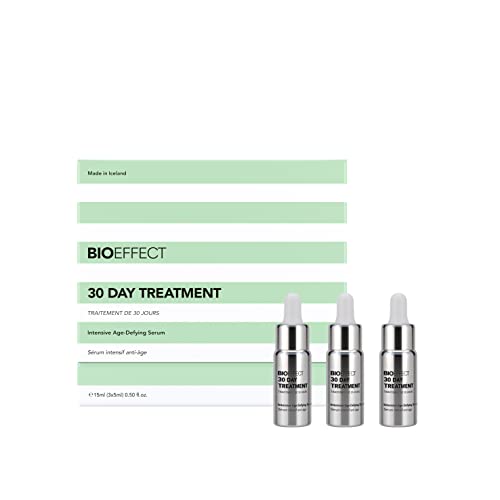
TRIPLE ACTION ANTI AGING TREATMENT: BIOEFFECT's most potent formula. The first and only skincare product to contain 3 different, plant-based EGF growth factor proteins.

✔️ SPA-QUALITY SKINCARE RITUAL – Matrescence is premium skincare that pampers you through pregnancy, postpartum, motherhood and beyond. Discerning moms choose Matrescence skincare to make maternity easier.
Best Practices for Combining Water-Based and Oil-Based Serums
When layering serums, apply water-based formulations first to clean skin to confirm quick absorption and best delivery of active ingredients such as hyaluronic acid or Vitamin C. Use just a few drops of water-based serums, massaging them gently upward to enhance hydration while addressing sensitive skin concerns. Next, apply oil-based serums to lock in moisture and prevent moisture loss by forming a protective barrier. Experts recommend using water-based serums in the morning under makeup for lasting hydration, reserving oil-based serums for nighttime skincare to nourish and restore. Adjust application seasonally: favor water-based serums in warm, humid climates and oil-based serums in cold, dry weather to optimize moisture retention. This methodical layering confirms effective serum delivery and skin protection, essential for maintaining skin health and barrier function. Moreover, selecting serums with non-comedogenic formulations ensures that layering different products does not clog pores or cause breakouts.
Frequently Asked Questions
What Is the Difference Between Oil-Based and Water-Based Serums?
Oil-based serums offer intense hydration, a thicker texture, and slow serum absorption, suiting dry skin and final application. Water-based serums absorb quickly, feature lightweight texture, suit oily skin, enable layering, and target brightening or acne concerns.
Is Water-Based Skin Care Better Than Oil-Based?
Water-based skincare is not inherently better; its serum absorption suits oily skin and product layering. Formulation ingredients target hydration, while oil-based excels in moisture retention, benefiting dry skin. Effectiveness varies with skin types and application techniques.
Is Water-Based Better Than Oil-Based?
Long before smartphones existed, water-based serums excelled in skin absorption and daily use, offering lightweight hydration levels and ingredient benefits for oily skin. Oil-based formulas enhance moisture retention, ideal for serum layering and dry skin’s nourishment needs.
Is Hyaluronic Acid Oil or Water-Based?
Hyaluronic acid is water-based, known for superior skin hydration benefits due to high serum absorption rates. Its properties favor formulation differences enhancing product layering techniques, ideal for oily or dehydrated skin types, and synergize well with various ingredient combinations.


