As an Amazon Associate, we earn from qualifying purchases. Some links on this site are affiliate links at no extra cost to you. Our recommendations are based on thorough research and editorial judgment.

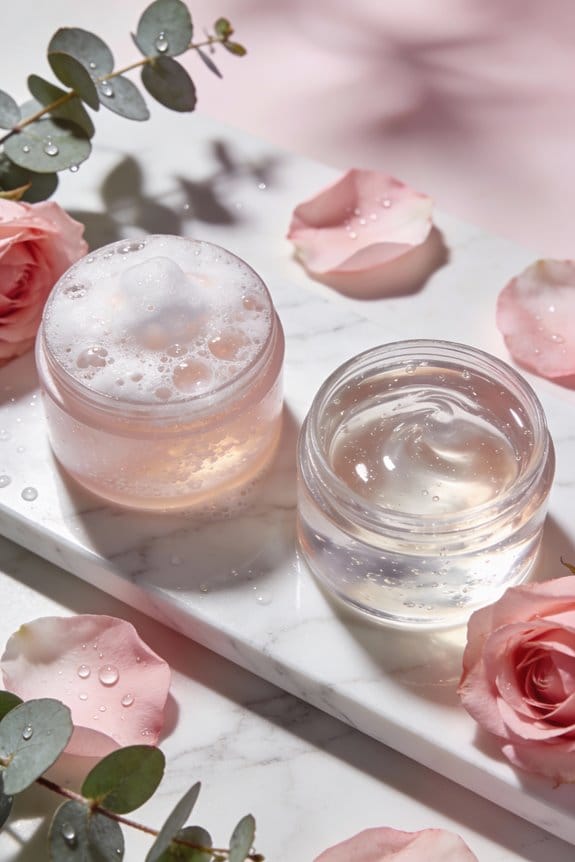
The Truth About Foaming vs. Non-Foaming Cleansers

Foaming cleansers use surfactants to create stable foam at a pH of 5 to 6, effectively emulsifying oil, dirt, and makeup for deep pore cleansing. Experts advise applying a pea-sized amount to damp skin, massaging gently, then rinsing with lukewarm water to minimize barrier disruption. Non-foaming cleansers prioritize hydration with emollients, suited for sensitive or dry skin, supporting barrier integrity between pH 4.5 and 5.5. Proper use enhances skincare efficacy and prevents irritation. Further insights explain ideal selection and technique.
Key Takeaways
- Foaming cleansers effectively remove oil, dirt, and heavy makeup, making them ideal for oily and acne-prone skin types.
- Non-foaming cleansers focus on hydration and barrier preservation, suited for sensitive and dry skin.
- Harsh surfactants in foaming cleansers can disrupt the skin barrier, causing dryness and irritation if overused.
- Combining double cleansing—foaming first, then non-foaming—balances deep cleaning with barrier protection.
- Gentle, plant-derived surfactants and pH-balanced formulations enhance cleansing while maintaining skin health.
Why Do Cleansers Foam?

You may be interested


Although many users associate foam with cleansing effectiveness, the formation of foam in cleansers depends primarily on surfactants—specialized molecules that lower water’s surface tension to enable interaction with skin oils and dirt. Surfactants facilitate foam by trapping air and water, lifting impurities from the skin. Strong surfactants like Sodium Lauryl Sulfate (SLS) produce abundant foam but risk compromising hydration and the skin’s natural barrier, potentially causing dryness. Experts recommend choosing gentle foaming cleansers with mild surfactants such as plant-derived Coco glucoside, which balance effective cleansing with skin barrier preservation. To maximize cleansing without irritation, select products that maintain a pH between 4.5 and 5.5. Prioritize formulations that create sufficient foam to remove impurities while protecting hydration and barrier integrity. Additionally, using moisturizers with ceramides and hyaluronic acid after cleansing can help restore and maintain the skin’s moisture barrier.
How Foam Affects Cleansing Performance

Foam plays a significant role in cleansing performance by allowing surfactants to emulsify and lift away oils, dirt, and impurities from the skin’s surface. Foaming cleansers produce bubbles that penetrate pores effectively, removing excess oil and embedded debris, making them especially effective for oily or acne-prone skin. However, experts strongly advise controlling pH levels between 5 and 7 to maintain foam stability and prevent damage to the skin barrier. Avoid harsh surfactants like Sodium Lauryl Sulfate, which can strip natural oils and increase sensitivity. Non-foaming cleansers, relying on emollients rather than foam, gently dissolve impurities, posing less risk to sensitive skin but offering less deep cleansing action. Choose foaming or non-foaming products based on individual skin type and tolerance to surfactants for ideal results. For maintaining skin hydration and minimizing irritation after cleansing, it is beneficial to follow up with serums containing hyaluronic acid.
Deep Cleaning Benefits of Foaming Cleansers

Effective cleansing is essential for maintaining skin health and preventing clogged pores, especially for individuals prone to oiliness or acne. Foaming cleansers utilize surfactants to produce bubbles that penetrate the skin’s surface, enabling deep cleaning by emulsifying excess oil, dirt, and oil-based products like heavy makeup and sunscreen. Experts recommend applying a quarter-sized amount, gently massaging until foamy, then rinsing thoroughly for an effective cleansing process. This thorough cleanse helps unclog pores and manage oil production, reducing acne risk. Formulated with a slightly acidic pH (5-6), foaming cleansers support skin health while improving skin texture and clarity. Dermatologists emphasize that routine use of properly designed foaming cleansers is critical to achieve peak results in acne-prone skin management and overall skin maintenance. For optimal results, it is also recommended to follow cleansing with a moisturizer that supports skin hydration to prevent irritation.
Recommended Products

9-in-1 Kit | A complete set of gentle foaming cleansers, refreshing tonics and lightweight leave-on mists in one convenient bundle.

RED LIGHT DEVICE New in FOREO facial tools, a brush with red light to dilate pores for a deeper cleanse, while boosting collagen to target lines & sun damage.

Supercharge Your Glow: Harnessing the power of L-ascorbic acid, the industry's gold standard of vitamin C our highest concentrated serum helps brighten skin tone, reduce signs of past skin damage and minimize the appearance of fine lines & wrinkles
Potential Skin Barrier Disruption From Foaming Cleansers
The deep cleansing action of foaming cleansers can simultaneously compromise the skin’s natural barrier if not chosen or used properly. Foaming cleansers with harsh surfactants like sodium lauryl sulfate strip natural oils essential for maintaining hydration and balanced moisture levels. Experts advise avoiding products with high pH above 5.5, which exacerbate barrier disruption and increase vulnerability to acne and irritation. Sensitive skin types face a greater risk of dryness and inflammation when exposed to overly aggressive foaming agents. To minimize damage, select foaming cleansers formulated with plant-derived surfactants that offer gentler cleansing while preserving the skin barrier. Limit use to once or twice daily, and avoid prolonged contact during cleansing routines. Monitoring skin hydration and avoiding over-cleansing help maintain ideal skin barrier function and prevent long-term disruption. Additionally, incorporating nighttime exfoliating treatments enriched with ceramides and hyaluronic acid can support barrier repair and hydration for sensitive skin.
Non-Foaming Cleansers and Their Gentle Formulations
While non-foaming cleansers may not generate lather, their formulation prioritizes skin barrier preservation through gentle, hydrating ingredients such as aloe vera and glycerin, which support moisture retention and soothe irritation. These gentle formulations are specifically suited for dry and sensitive skin types, relying on moisturizing ingredients that maintain the skin’s natural moisture barrier. Experts recommend non-foaming cleansers to guarantee effective removal of dirt and light impurities without stripping oils or provoking irritation or dryness. Incorporate soothing agents to enhance hydration during daily use, which helps reduce discomfort and maintain skin comfort. While less efficient on heavy makeup, these cleansers excel in preserving skin integrity and hydration balance. Dermatologists emphasize selecting products with emollients to maintain ideal barrier function and minimize the risk of inflammation in vulnerable skin. Many non-foaming cleansers utilize hyaluronic acid to boost hydration and lock in moisture for up to 24 hours.
Types of Non-Foaming Cleansers Explained
Non-foaming cleansers come in several distinct formulations—cream, lotion, and oil—that rely on emollients to cleanse without generating foam or stripping natural oils. Cream formulations, rich in glycerin and fatty acids, provide intense hydration and are especially recommended for sensitive skin types prone to dryness. Oil formulations use natural oils to dissolve impurities gently, offering a soothing experience while maintaining the skin’s moisture barrier. Typical ingredients in these cleansers guarantee effective light makeup removal without disrupting hydration. Experts advise applying non-foaming cleansers with gentle massage motions, followed by rinsing with lukewarm water to preserve moisture. While ideal for maintaining moisture and supporting sensitive skin, these formulations may require supplemental cleansing for heavy makeup or excess oil removal, underscoring the importance of matching cleanser choice to the cleansing need accurately. For those with sensitive or aging skin, pairing non-foaming cleansers with alcohol-free serums can help preserve the skin’s natural moisture barrier while promoting hydration.
Recommended Products

✅ INFUSED WITH GRAPHENE CERAMIC RESINS - Works on your coated or uncoated vehicle adding advanced graphene coating technology. Protects and restores exceptional hydrophobic professional results.

Trust a scientifically advanced regimen to lift away the years and target advanced signs of aging including deep wrinkles and sagging skin.

Nourishes Lashes for a More Luscious, Thicker & Defined Appearance: This eyelash enhancing serum is designed to target the anagen phase of the lash cycle to support overall improvement for results that continuously build day after day
Matching Cleansers to Different Skin Types
Many skincare specialists emphasize selecting cleansers based on distinct skin types to optimize cleansing effectiveness and skin health. Use foaming cleansers for oily skin, as they efficiently remove excess oil and unclog pores with surfactant-rich formulas. For dry skin, prefer non-foaming cleansers containing gentle ingredients that provide hydration while preserving the skin’s moisture barrier. Sensitive skin requires specially formulated foaming or non-foaming options with milder ingredients to minimize irritation. Combination skin benefits from alternating between foaming cleansers on oily T-zones and non-foaming cleansers on drier areas, balancing oil control and hydration. Experts advise applying foaming cleansers as a first step in double cleansing when removing heavy makeup, followed by a hydrating non-foaming cleanser to maintain barrier integrity without causing dryness or tightness. Incorporating cleansers with salicylic acid and niacinamide can further support unclogging pores and minimizing their appearance across various skin types.
Recommended Products

Deep Pore Cleansing Formula: MBR Enzyme Cleansing Booster is a face cleansing powder that provides deep pore cleansing, detoxifying and regenerating benefits. Recommended as a second cleanse or mix into your milky cleanser 1-3 times a week as an enzymatic cleansing booster. Can be used to smooth the neck and decollete

Complete 6 Step System Plus 4 Masks Includes cleansing oil foam cleanser toner pads serum targeted spot treatment barrier moisturizer and 4 hydrogel masks; this kit de skin care completo is designed as a structured AM and PM routine
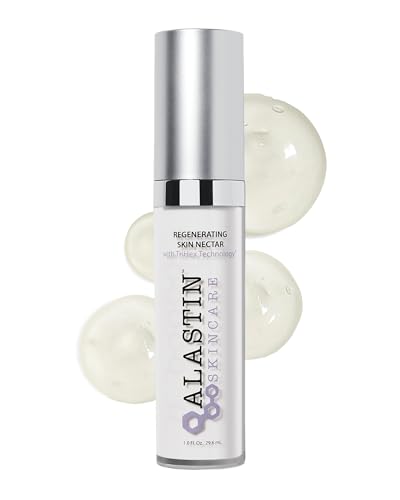
Helps strengthen skin ahead of cosmetic treatments to improve the appearance of smoother, brighter, more youthful-looking skin afterward.
The Role of Ph in Foaming and Non-Foaming Cleansers
The importance of pH balance in cleansers lies in its direct impact on skin barrier integrity and cleansing performance. Foaming cleansers usually maintain a pH between 5 and 6, maximizing foam while supporting skin health. Non-foaming cleansers target a slightly lower pH (4.5 to 5.5), aligning with the skin’s natural moisture barrier to reduce dryness and sensitivity. Experts advise selecting formulations with gentle surfactants, as harsher surfactants tend to raise pH above 5.5, risking barrier disruption and irritation. Proper pH balance preserves the skin barrier, prevents excess dryness, and maintains peak skin health. When choosing a cleanser, prioritize pH-appropriate ingredients to guarantee effective cleansing without compromising the skin’s natural moisture and resilience. This scientific approach benefits all skin types, especially sensitive skin prone to irritation. Maintaining a cleanser’s pH within the optimal acid mantle range is crucial to protecting the skin from environmental pollutants and supporting hydration.
Impact of Cleansers on Skincare Product Absorption
Cleansers’ formulations directly affect the skin’s readiness to absorb subsequent skincare products, making their selection critical to a regimen’s overall efficacy. Foaming cleansers, rich in surfactants, excel at removing impurities and excess oil, enhancing absorption by preparing the skin surface. Experts advise selecting foaming cleansers with slightly acidic to neutral pH to preserve the skin barrier while maximizing product uptake. Conversely, non-foaming cleansers maintain a moisture layer that can slow absorption, potentially reducing the effectiveness of active ingredients. Avoid over-cleansing with foaming types, as stripping the skin’s natural oils impairs barrier function and hydration absorption. Match cleanser types to individual skin needs for best results: oily skin often benefits from foaming cleansers, while dry or sensitive skin requires hydrating, non-foaming formulations to protect the skin barrier and support optimal absorption. Choosing cleansers with hydrating ingredients like hyaluronic acid and ceramides further supports barrier health and product efficacy.
How to Use Foaming and Non-Foaming Cleansers Effectively
When applying foaming cleansers, experts recommend using a small amount—about a pea size—and massaging gently onto damp skin to generate a lather. This guarantees effective cleansing without over-stripping the skin’s natural oils. For non-foaming cleansers, apply a sufficient amount directly to dry or damp skin, working in circular motions to dissolve impurities without foaming action. Leave non-foaming cleansers on for about one minute before rinsing to maximize hydrating effects and thorough cleansing, especially when removing makeup. Always rinse thoroughly with lukewarm water to avoid irritation and maintain skin barrier health. Follow cleansing with a moisturizer adapted to skin needs to restore hydration. Proper use of either cleanser balances deep impurity removal and preserves the skin’s natural moisture, essential for overall skin barrier health and hydration. Choosing a cleanser that includes hydrating ingredients specifically supports skin moisture balance and barrier protection.
Recommended Products

Hyperpigmentation Essentials: This 3-step regimen includes Nu-Derm Clear Fx cream, Blend Fx blending cram, and 2 Exfoderm Forte exfoliators

All About Anti-Aging - All face products in this beauty gift set contain PITERA™, SK-II's exclusive ingredient shown to improve your skin's natural regeneration, for youthful skin. Ideal for targeting skin radiance and firmness as well as other visible signs of aging such as fine lines and wrinkles, skin tone and discoloration, and dark spots from the sun.

Address Thinning, Patchy, & Over-Tweezed Brows: This specially formulated eyebrow boosting serum accentuates the healthy look of eyebrows to be fuller, denser, and darker in as little as 8 weeks, with more pronounced results in 12 weeks*
Innovations in Gentle Foaming Cleanser Formulations
Although foaming cleansers have traditionally been linked to skin dryness, recent innovations have revolutionized their formulations to prioritize gentleness and hydration. Experts recommend selecting a gentle foaming cleanser containing plant-derived surfactants such as Coco glucoside and Coco betaine, which effectively remove impurities while being less abrasive. Maintaining an ideal pH balance between 4.5 and 5.5 is essential to preserve skin barrier integrity and prevent irritation. Incorporate hydrating ingredients like hyaluronic acid, glycerin, and aloe vera to support the moisture barrier and reduce harshness. Use formulations combining primary and secondary surfactants to enhance cleansing efficacy without compromising skin health. Additionally, choose eco-friendly formulations with biodegradable ingredients to minimize environmental impact. Follow clear labeling guidance to guarantee maximum skin benefits and avoid formulations that disrupt hydration or barrier function.
Recommended Products

TARGETED FIRMING FOR NECK & DÉCOLLETAGE: Developed specifically for the delicate neck and chest area, this hydrating cream helps visibly firm, lift, and tighten skin that has lost definition over time. Improves the look of crepey texture and uneven tone for a smoother, more sculpted appearance.

Includes two derma rollers: one standard and one mini, both featuring 0.25mm stainless steel needles, suitable for at-home use

【MOISTURIZING OIL CLEANSER】Completely removes makeup, dirt, oil, and impurities; this gentle but effective 2 in 1 formula transforms from an oil to a foam, leaving your skin perfectly cleansed and prepared for the next steps.
Frequently Asked Questions
Should I Use Foaming or Non-Foaming Cleanser?
Choosing a cleanser is like sowing seeds: consider skin type and sensitivity issues first. Analyze ingredient lists and pH balance for effectiveness. Experiment cautiously, research brand reputation, weigh cost, follow application techniques, and adapt cleansing frequency per user preferences and trends.
Why Avoid Foaming Cleansers?
Foaming cleansers often pose an irritation risk due to harsh ingredients, compromising the skin barrier and causing hydration loss. Gentle ingredients balance cleansing efficacy for various skin types, aiding acne prevention and pore cleaning, aligning with dermatology advice on product formulation.
What Is the 4 2 4 Rule in Skincare?
The 4-2-4 rule in skincare routines involves cleansing for four minutes, rinsing for two, then cleansing four more minutes. This technique supports pH balance, hydration levels, exfoliation methods, and enhances product layering for varied skin types and breakout prevention.
Is Foaming Cleanser Better Than Normal Cleanser?
Foaming effectiveness suits oily skin with efficient makeup removal, while non-foaming gentleness benefits sensitive types. Skin type suitability, pH balance importance, and ingredient comparisons influence cleansing routine choices, reflecting user preferences, sensitivity reactions, and evolving market trends.


