As an Amazon Associate, we earn from qualifying purchases. Some links on this site are affiliate links at no extra cost to you. Our recommendations are based on thorough research and editorial judgment.


Understanding Cleansing Balms vs. Cleansing Oils

Cleansing balms, solid and rich in hydrating oils like Rosehip, suit dry or sensitive skin, requiring a pea-sized amount warmed in hands to emulsify and dissolve makeup. Cleansing oils, lighter liquids for all skin types, effectively break down heavy sunscreen and impurities without clogged pores, using one pump massaged on dry skin before emulsification with water. Both require thorough rinsing and preferably a second water-based cleanse to guarantee residue removal. Continue for detailed comparisons and expert cleansing routines.
Key Takeaways
- Cleansing balms have a solid texture that melts into oil, ideal for deep hydration and removing heavy makeup gently.
- Cleansing oils are lightweight liquids that dissolve makeup easily, suited for oily and combination skin without leaving residue.
- Balms provide superior moisture and soothing benefits, especially for dry and sensitive skin types.
- Oils emulsify upon water contact to rinse off impurities, recommended for double cleansing to enhance skin clarity.
- Choosing between balms or oils depends on skin type, with non-comedogenic formulas advised for acne-prone or oily skin.
What Are Cleansing Balms and How Do They Work?

You may be interested
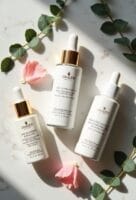


Although cleansing balms appear solid and dense, they must be applied using gentle pressure to fully emulsify and dissolve makeup, sunscreen, and environmental debris. Experts emphasize warming a pea-sized amount between dry hands to allow the balm to melt away into nourishing oils that penetrate the skin effectively. This transformation is essential; the solid balm liquefies into oils that bind with sebum and makeup, facilitating thorough removal without stripping moisture. Upon contact with water, the balm emulsifies into a milky liquid, enabling easy rinsing and preventing greasy residue. Rich formulations containing Rosehip Oil, Babassu Oil, and Squalane deliver deep hydration, making cleansing balms particularly suitable for dry skin and sensitive types. Clinical tests confirm these products are non-irritating and economical when used sparingly with consistent technique. Many balm cleansers also include ceramides to strengthen the skin barrier, further enhancing their suitability for sensitive and acne-prone skin.
Key Characteristics of Cleansing Oils

Cleansing oils feature a lightweight, liquid texture designed for easy application and precise dosing from pump bottles, ensuring consistent use of approximately one to two pumps per session. These oils effectively dissolve makeup, including stubborn products and heavy sunscreen, without harsh rubbing. Formulate or select cleansing oils with non-comedogenic ingredients to reduce the risk of clogging pores, particularly for oily or acne-prone skin. Upon contact with water, cleansing oils emulsify into a milky consistency, allowing a thorough, non-greasy rinse that removes residue while balancing skin’s moisture. Experts recommend following cleansing oils with a gentle cleanser to complete the double cleansing process, enhancing skin clarity and hygiene. This regimen maintains skin’s natural hydration without stripping essential oils, supporting a clean, balanced complexion. Consistent use of cleansing oils containing soothing plant extracts can help calm sensitive or acne-prone skin while improving overall skin clarity.
Benefits of Using Cleansing Balms for Sensitive and Dry Skin

Numerous skincare specialists emphasize the importance of using cleansing balms for sensitive and dry skin due to their superior hydrating properties and gentle makeup removal. Cleansing balms deliver deep hydration through nourishing ingredients such as Rosehip Oil and Squalane, essential for maintaining skin barrier integrity. Experts recommend applying a small amount, allowing the solid-to-oil transformation to dissolve makeup efficiently without irritation. Clinical studies confirm 100% of sensitive skin users find balms both gentle and effective at removing makeup and impurities. The rich, buttery texture provides a luxurious cleansing experience that soothes discomfort while supporting hydration. Additionally, cleansing balms prove economical; a pea-sized amount typically suffices per use, ensuring extended, cost-effective care. Proper application guarantees exceptional benefits for dry skin conditions, making cleansing balms a preferred, clinically validated choice. Many of these balms are also enriched with soothing ingredients like Madecassoside which enhance their calming effects on sensitive skin.
Advantages of Cleansing Oils for All Skin Types
When selecting an effective cleanser for diverse skin types, prioritize cleansing oils for their lightweight texture and superior ability to dissolve makeup and impurities without clogging pores. Cleansing oils suit all skin types, including oily and combination skin, by transforming to a milky texture on water contact, ensuring thorough cleansing without greasy residue. Experts emphasize incorporating nourishing oils and antioxidants such as Vitamins C and E, which support skin brightening and protect against environmental damage. Use cleansing oils daily to maintain hydration and moisture balance, preventing irritation. Clinical data confirms they excel at removing heavy makeup and sunscreen efficiently. Dermatologists recommend applying a quarter-sized amount, massaging gently for 30 seconds, then emulsifying with water and rinsing thoroughly to optimize skin cleanliness and comfort while preserving natural oils. Additionally, combining cleansing oils with hydrating ingredients like hyaluronic acid can help balance moisture and prevent dryness during cleansing.
Recommended Products

Vitamin E, a potent antioxidant, helps protect your skin from environmental damage, reducing the signs of aging and promoting a youthful glow.

Retain Energy & Balance: Retain your body to its healthiest state with the highest herbal concentration on the market, all with a deliciously smooth superfruit taste (96-pack of 3.4 fl oz bottles). Are you looking for the ideal morning kick? You’ve found the perfect boost!

✅ PREMIUM COCONUT GOODNESS: Our Organic Extra Virgin green coconut oil first pressed is made from fresh, organic coconuts, using only the world’s highest-quality organic coconuts, our Coconut Oil is USDA Organic, Kosher, and gluten free, grown and harvested sustainably without the use of unnecessary additives or nastiness. Earth Circle Organics Extra-Virgin Coconut Oil delivers rich flavor and aroma that’s nutrient-rich and naturally delicious.
Differences in Texture and Application Between Balms and Oils
Differences in texture and application considerably influence the cleansing experience and product efficacy. Cleansing Balm vs cleansing oils centers on texture preference: balms possess a thick, solid consistency that melts into a silky oil upon contact with dry skin, while cleansing oils feature a lightweight liquid texture used directly from the bottle. Experts advise applying about a pea-sized amount of balm to dry skin, massaging gently until it liquefies, then emulsifying with water for easy removal. Conversely, cleansing oils are pumped directly and massaged in; they emulsify upon water addition but may feel slippery. Balms deliver a creamy feel and a luxurious hydrating experience, ideal for those seeking richness. Cleansing oils provide a lighter sensation and a quick and efficient method especially suited for makeup dissolution. Most cleansing oils contain non-comedogenic ingredients to ensure pores remain clear and skin hydration is maintained during cleansing.
How to Choose the Right Product for Your Skin Type
How should individuals select a cleansing product tailored to their skin type? Experts recommend matching cleansing balms or cleansing oils to skin needs. For dry skin types, choose a cleansing balm enriched with Rosehip Oil and Squalane to deeply hydrate and protect the skin barrier. Those with oily or combination skin must use a cleansing oil that transforms from oil to milk, effectively removing makeup and excess sebum without disrupting natural moisture. Acne-prone skin requires caution: select non-comedogenic oil-based cleansers or opt for nourishing cleansing balms to avoid pore-clogging. Follow these steps:
- Identify skin type accurately.
- Prioritize gentle, hydrating formulations for dry or sensitive skin.
- Pick oil-based cleansers with balancing properties for oily or combination skin.
- Avoid heavy oils if acne-prone. Precision in product choice guarantees peak cleansing and skin health. Using a non-stripping cleanser daily helps maintain skin pH and preserves the natural moisture barrier, supporting overall skin health.
Recommended Products
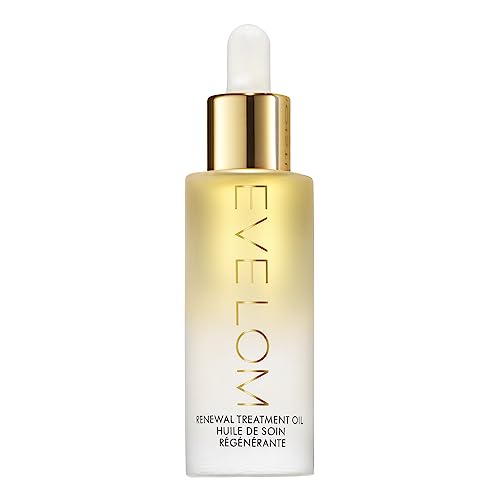
Luminous Glow - This lightweight oil clarifies and targets dull skin, infusing it with a blend of 10 ultra-nourishing botanicals for a radiant, glass-skin finish that lasts all day


This 3-in-1 cleansing treatment is the essential first step in your daily skincare routine that leaves your skin clean and soft. Infused with Lavender, Chamomile, and Eucalyptus with Elderberry, Starflower, and Optimega Oils.
The Role of Hydrating Ingredients in Cleansers
Why is the inclusion of hydrating ingredients critical in cleansing formulations? Hydrating ingredients like Rosehip Oil and Squalane in cleansing balms provide essential moisture, preventing dryness and supporting dry skin types. Experts advise selecting products with nourishing oils to maintain the skin’s moisture balance while dissolving impurities effectively. Incorporate cleansing balms enriched with Babassu Oil to soothe skin and protect its natural barrier, ensuring a gentle and non-irritating cleanse. Vitamin C, present in some cleansing oils, enhances effective cleansing by brightening skin and combating environmental damage. Use these formulations to achieve a luxurious experience that leaves skin feeling soft and smooth. Prioritize products combining oil-based agents for effective impurity removal without stripping moisture, ultimately fostering both cleansing efficacy and soothing skin benefits. Additionally, formulations containing Natural Moisturizing Factors help to enhance hydration support during cleansing.
Common Concerns When Using Cleansing Oils
While hydrating ingredients in cleansing balms support moisture retention and skin barrier protection, users frequently raise concerns about cleansing oils that challenge these benefits. Experts warn that cleansing oils may clog pores and irritate oily skin or acne-prone complexions when harsh ingredients like sulfates or alcohol are present. Always read ingredient labels carefully and select non-comedogenic formulas to reduce breakout risks. An oily residue often remains after use, necessitating a double cleanse with a gentle water-based product to fully remove impurities and leftover oils. Additionally, cleansing oils’ liquid form may cause spills, compromising travel convenience. Specialists recommend verifying product composition and adopting a thorough cleansing routine to mitigate common obstacles linked to cleansing oils, ensuring both effective impurity removal and skin health maintenance without adverse effects. Incorporating a sulfate-free cleanser in the double cleansing step can help maintain moisture balance and reduce irritation.
Step-By-Step Guide to Proper Cleansing With Balms and Oils
A precise amount of product is essential to verify effective cleansing without overuse. Use a pea-sized amount of cleansing balms or one pump of cleansing oils on dry skin. Start by massaging the product in circular motions to break down makeup and impurities from the skin efficiently. According to skincare experts, “Massage the product thoroughly before adding warm water to emulsify it into a milky liquid.” This change allows for easier rinsing away of residues. After emulsifying, rinse completely with warm water or gently wipe away using a warm, damp cloth to guarantee a soothing cleansing experience. Follow this step with a water-based cleanser to remove any remaining makeup remover. This method optimizes skin cleanliness while preserving hydration and comfort. It is important to choose formulations that are fragrance-free and hypoallergenic to minimize irritation during cleansing.
Recommended Products

Effortless Radiance: Hydrates, protects, and primes skin for a flawless, dewy glow; lightweight oil absorbs quickly, leaving a smooth canvas for makeup application; suitable for sensitive skin; hypoallergenic


1 Piece - 5 Ounce (147ml)
Comparing Cleansing Balm and Cleansing Oil for Makeup Removal Effectiveness
Effective makeup removal requires selecting between cleansing balms and cleansing oils based on performance characteristics and skin compatibility. Cleansing balms excel in removing heavy makeup and SPF due to their solid-to-oil transformation, which enhances their effectiveness on waterproof formulas; they emulsify into a milky texture upon water contact, preventing greasy residue. Clinicians confirm 96% of users experience skin feeling thoroughly cleansed with balms, especially those with dry skin. Cleansing oils dissolve makeup quickly and suit oily skin types but require proper formulation to avoid clogged pores. Experts advise to:
- Choose cleansing balms for intensive, gentle cleansing of dry or sensitive skin
- Opt for cleansing oils for lightweight, fast makeup removal on oily skin
Both product types demand emulsification for ideal residue-free cleansing results. For those with sensitive or reactive skin, incorporating ingredients like azelaic acid in follow-up skincare can help soothe and improve skin texture after cleansing.
Recommended Products

An intensely repairing face balm for dry & weakened skin

Full Skincare Regimen - With our 5-in-1 facial cleanser, exfoliate, hydrate, tone, and remove makeup with ease. Each order comes with a complimentary Muslin Cloth.

Signature Skincare Set: This luxurious 5-piece collection features our iconic bestsellers for your daily routine. Includes Cleansing Balm, Restorative Mask, Balancing Mist, Ritual Oil and Moisture Rich Balm. Beautifully presented in a gift-ready box.
Frequently Asked Questions
Which Is Better, Cleansing Balm or Cleansing Oil?
The better choice depends on skin type suitability and sensitivity concerns. Cleansing balm benefits include rich hydration and gentle removal, while cleansing oil benefits offer quick dissolving. Ingredient differences, product texture, application techniques, removal methods, and price comparison influence preference.
What Is the 4 2 4 Rule in Skincare?
The 4 2 4 rule in skincare is a rhythmic dance: four minutes applying balm or oil to dissolve makeup, two minutes emulsifying with water, four minutes rinsing, balancing hydration, respecting skin types, and enhancing texture with mindful application techniques.
Can I Use a Cleansing Balm as a Cleansing Oil?
A cleansing balm can effectively substitute a cleansing oil for makeup removal due to similar cleansing effectiveness. Differences in balm texture, product ingredients, and skin types influence application methods, cost comparison, and user preferences in choosing between the two textures.
What Are the Disadvantages of Cleansing Balm?
Coincidentally, cleansing balm ingredients sometimes hinder removal effectiveness, complicating the skincare routine. Product texture may feel greasy, causing potential irritation for certain skin types. Price comparison, environmental impact, and mixed user reviews highlight varied suitability concerns.


