As an Amazon Associate, we earn from qualifying purchases. Some links on this site are affiliate links at no extra cost to you. Our recommendations are based on thorough research and editorial judgment.

Why Your Cleanser Ph Matters More Than You Think

Maintaining cleanser pH between 4.5 and 5.5 is critical to preserve the skin’s acid mantle, which acts as a protective barrier against bacteria and environmental damage. Experts mandate using pH-balanced cleansers with humectants like glycerin and ceramides to prevent dryness, irritation, and inflammation common with alkaline soaps. Avoid “squeaky clean” sensations indicating over-drying. Proper pH supports hydration and optimizes active ingredient effectiveness such as AHAs and Vitamin C. Further examination reveals practical strategies to sustain ideal skin pH daily.
Key Takeaways
- Skin cleanser pH affects the acid mantle that protects against bacteria and maintains moisture balance.
- Using cleansers with pH above 7 can strip oils, causing dryness, irritation, and barrier damage.
- Ideal cleanser pH (4.5–5.5) preserves skin’s natural acidity, preventing tightness and redness after washing.
- pH-balanced cleansers support skin health, enhancing hydration with ingredients like ceramides and glycerin.
- Proper pH allows better absorption and efficacy of active skincare ingredients like AHAs and Vitamin C.
The Science Behind Skin Ph

You may be interested


Although often overlooked, maintaining the skin’s natural pH between 4.5 and 5.5 is essential for preserving the acid mantle, a slightly acidic layer that shields against bacteria and environmental damage. Experts emphasize selecting cleansers formulated within this pH range to prevent disruption of the skin’s natural barrier. Using alkaline cleansers above pH 7.0 strips essential oils, leading to dryness and irritation. Dermatologists recommend testing cleanser pH or choosing products labeled for balanced acidity. Maintaining skin at its ideal pH improves moisture retention and reduces inflammation. Chemical exfoliants like AHAs and BHAs must be applied at low pH levels to remain effective. To preserve skin health, always opt for gentle, pH-appropriate cleansers and avoid over-cleansing, which compromises the skin’s natural barrier function and microbiome integrity. Additionally, when using acne treatments like Adapalene gels, proper skin pH and barrier maintenance enhance their efficacy and minimize irritation.
How Ph Affects the Skin’s Acid Mantle

The skin’s acid mantle functions as a critical barrier, maintaining an ideal pH range of 4.5 to 5.5 to protect against microbial invasion and environmental pollutants. Maintaining the skin’s natural pH level is essential; experts advise selecting cleansers with a low pH that align closely with this range. High pH cleansers disrupt the acid mantle’s integrity by increasing skin alkalinity, which weakens its protective function. This disturbance promotes dryness, irritation, and susceptibility to acne-causing bacteria. To preserve the acid mantle, use face washes labeled pH 4.5–5.5, avoiding soaps with high pH levels above 7. Consistent use of appropriately pH-balanced products supports barrier function and hydration. Dermatologists emphasize: “A cleanser’s pH should never exceed the skin’s natural pH level to guarantee long-term skin health and prevent inflammation.” Choosing mild cleansers with ingredients like ceramides and glycerin further helps to soothe and protect the skin’s natural barrier.
Common Misconceptions About Cleanser Ph
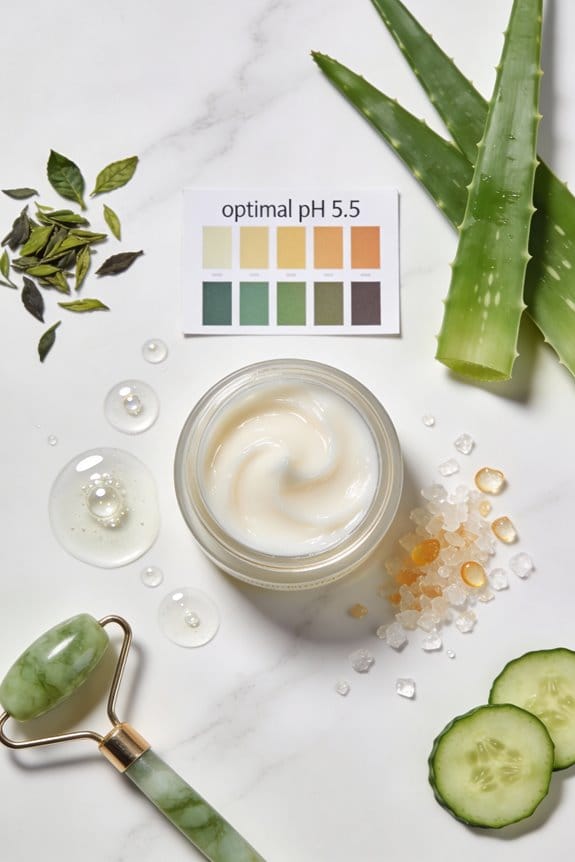
Maintaining the skin’s natural pH between 4.5 and 5.5 safeguards the acid mantle, yet misunderstandings persist regarding cleanser pH and its effects. Many assume a foamy, “squeaky clean” feel indicates effective cleansing, but alkaline cleansers often cause over-drying and disrupt the skin barrier by stripping oils. Do not equate “gentle cleanser” labels with suitable pH; only a pH balanced cleanser properly supports the skin’s natural acidity and barrier function. Avoid fragrance as a sole irritation indicator; products may be non-irritating but still have damaging pH levels. Experts emphasize selecting products with specific pH values within 4.5 to 5.5 to maintain barrier integrity. Use only pH balanced cleansers for ideal skin health and avoid alkaline cleansers that can undermine the barrier’s protective mechanisms. Choosing cleansers with hydrating ingredients like ceramides and hyaluronic acid can help cleanse deeply without causing dryness or irritation.
Signs Your Cleanser Might Be Too Alkaline
How can one determine if a cleanser’s pH is too alkaline for healthy skin? Experts advise observing key indicators like persistent tightness, redness, and irritation immediately after washing, which often signal that the skin barrier has been compromised. A cleanser might have a high pH if it creates a “squeaky clean” sensation—this points to stripped natural oils and a disrupted acid mantle. Dermatologists recommend avoiding alkaline cleansers with pH levels above 7.0, as these products impair the skin’s natural pH level, typically between 4.5 and 5.5. Use cleansers within this range to maintain barrier function and reduce susceptibility to breakouts and environmental damage. Recognizing these signs allows timely adjustment to formulations that support ideal skin health. It is also important to select low pH cleansers specifically designed to protect the acid mantle and promote hydration.
Recommended Products

SMOOTH and RADIANT SKIN - transform your complexion from dull to smooth and radiant. This 3-piece Glycolic Skin Renewal kit includes our iconic Glycolic Cleanser, Serum and Moisture Cream for the face and neck. Our Glycolic Acid formulas gently exfoliate, unclog congested pores, and even out skin texture to minimize the appearance of lines, wrinkles, and pores.

NEW NAME AND NEW LOOK: Previously known as REMEDY PHYTOPLEX NO-RINSE FOAM CLEANSER - Same great product with new name and new look! Remedy is the #1 skin care brand in healthcare.

GENTLE, MILD pH-BALANCED CLEANSING: Formulated to match skin's natural pH, this cleanser effectively removes impurities without disrupting the moisture barrier, ensuring skin stays comfortable and balanced.
The Impact of Ph on Skin Hydration and Barrier Health
Consistently selecting cleansers with a pH level between 4.5 and 5.5 preserves the skin’s natural acid mantle, which is essential for sustaining hydration and barrier integrity. The skin’s pH in this acidic range supports ideal enzyme activity needed to repair the natural barrier and retain moisture. Experts recommend avoiding high pH cleansers because they strip the skin’s oils, impairing the barrier and leading to dryness and irritation. Use low pH, soap-free formulas to maintain the acid mantle, which enhances hydration by preventing water loss. According to dermatologists, “A balanced pH cleanser reduces inflammation and encourages better absorption of moisturizers.” To protect the skin barrier, cleanse twice daily with a gentle, pH-balanced product containing 4.5 to 5.5 pH, ensuring both effective cleansing and preservation of natural hydration levels. Incorporating products enriched with ceramides and hyaluronic acid can further support barrier repair and moisture retention.
Recommended Products
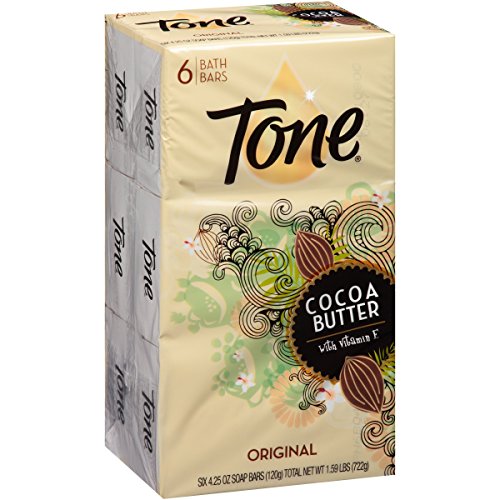
Cocoa butter is nature’s wonderful moisturizing gift to you

COMPLETE 3-PART COLON CLEANSE KIT Includes whole psyllium husk fiber powder, herbal capsules, and herbal tea designed to work together as a convenient 30-day digestive support program. A simple daily routine to support overall gut wellness
Balancing Ph for Sensitive and Dry Skin Types
Sensitive and dry skin types require cleansers that maintain a pH between 4.5 and 5.5 to protect the skin’s barrier and prevent moisture loss. Experts emphasize selecting a gentle cleanser designed to support the skin’s natural pH, avoiding alkaline products with pH above 7, which strip essential oils and cause irritation. Dermatologist Dr. Lee advises, “Maintaining a healthy skin pH is critical to prevent flare-ups and restore barrier function.” For sensitive skin, use products enriched with humectants like glycerin or barrier-restoring ceramides to enhance hydration. Indicators of disrupted skin pH include tightness or stinging post-cleansing. Follow these guidelines:
- Choose pH-balanced cleansers (4.5–5.5)
- Avoid harsh, alkaline soaps
- Incorporate moisturizing ingredients
These steps guarantee effective cleansing while preserving sensitive and dry skin integrity.
Many clinically tested cleansers also include soothing ingredients such as aloe vera and chamomile to calm irritation and support skin health.
Recommended Products

FLUFFY & FRESH - Bio-Groom Econo-Groom 30 to 1 Super Concentrated Shampoo is an extra mild, hypo-allergenic concentrated shampoo that won't strip protective oils, leaving a soft, fresh coat

Deep Pore Cleansing Formula: MBR Enzyme Cleansing Booster is a face cleansing powder that provides deep pore cleansing, detoxifying and regenerating benefits. Recommended as a second cleanse or mix into your milky cleanser 1-3 times a week as an enzymatic cleansing booster. Can be used to smooth the neck and decollete

✅ INFUSED WITH GRAPHENE CERAMIC RESINS - Works on your coated or uncoated vehicle adding advanced graphene coating technology. Protects and restores exceptional hydrophobic professional results.
Why Foam and Fragrance Don’t Guarantee Gentleness
Frequently, foam production and fragrance presence in cleansers are mistaken indicators of product gentleness; however, these features often correlate with elevated pH levels and irritant potential. Cleansers generating abundant foam typically have pH levels above 7, which strip away the skin’s moisture barrier, causing dryness and irritation. Dermatologists caution that fragrance additives can provoke inflammation, particularly in sensitive skin, undermining gentle cleansing claims. Avoid relying on marketing terms like “mild” without verifying pH levels, which experts advise should be maintained between 4.5 and 5.5 to support the skin’s natural defenses. For effective skincare routines, select pH-balanced cleansers free from harsh foaming agents and strong fragrances. This preserves hydration while preventing disruption of the skin’s acid mantle, essential for maintaining overall skin health. Additionally, using products with fragrance-free formulations can significantly reduce the risk of irritation and support sensitive skin.
The Role of Botanical Ingredients in Ph-Balanced Cleansers
Beyond avoiding harsh foaming agents and irritant fragrances, formulators should incorporate botanical ingredients that actively bolster skin health while harmonizing with pH-balanced cleansers. Botanical ingredients like rose and sandalwood deliver targeted hydration, which supports the skin’s moisture barrier essential for preventing water loss and irritation. Experts emphasize selecting extracts that maintain the ideal pH range of 4.5 to 5.5, thus preserving acid mantle integrity. Incorporate lavender to exploit its soothing effects that reduce cleansing-induced redness and discomfort. Additionally, utilize botanical oils rich in antioxidant properties, protecting skin from environmental stressors while replenishing moisture. According to dermatologists, these components “enhance barrier function and support the skin’s natural microbiome.” Formulate with at least 2% botanical extracts to guarantee efficacy without compromising cleanser stability or pH balance. Products like Hada Labo Gokujyun Premium Hyaluronic Milky Lotion demonstrate how integrating multiple hydrating ingredients can optimize moisture retention while maintaining gentle pH.
Real-Life Effects: From Morning Wash to Evening Shower
A consistent skincare routine requires selecting cleansers with a precise pH range of 4.5 to 5.5 to effectively support the skin’s acid mantle from morning to evening. Experts emphasize that using an alkaline cleanser in the morning causes tightness and discomfort, signaling damage to the skin’s natural barrier. Employ a pH-balanced cleanser to maintain hydration and reduce irritation throughout the day. In the evening, avoid strongly fragranced, foamy body washes with high pH; these strip moisture and weaken skin health. Instead, choose pH-conscious products, like CAMIA Sandalwood Body Shower Gel, to preserve the skin’s natural barrier and prevent dryness post-shower. Proper control of the pH of your skincare optimizes overall protection and enhances the benefits of subsequent treatments, ensuring lasting skin health and resilience. Additionally, selecting a cleanser with hydrating botanicals can help maintain moisture balance and soothe sensitive skin while protecting the acid mantle.
How Ph Influences the Effectiveness of Active Ingredients
Maintaining an appropriate pH level during cleansing is fundamental to preserving the potency of active ingredients such as AHAs, BHAs, and Vitamin C. A healthy skincare routine requires understanding that pH means the acidity or alkalinity of a product, with acidic levels (pH 3-4) essential for ideal exfoliant performance. Experts advise: “Use cleansers maintaining an acidic pH to guarantee active ingredients like L-ascorbic acid remain stable and effective.” Avoid alkaline cleansers, as they deactivate actives and risk skin irritation. Incorporate these steps:
- Choose cleansers with pH 3-4 to support active ingredient efficacy
- Allow 20-30 minutes post-cleansing before applying actives to stabilize skin pH
- Maintain consistent acidic environments in your skincare routine for maximum absorption and benefits
Ignoring pH means risking compromised treatment outcomes and unhealthy skin. Additionally, selecting formulations that are oil-free and paraben-free can aid in maintaining skin balance and preventing clogged pores.
Recommended Products

Supercharge Your Glow: Harnessing the power of L-ascorbic acid, the industry's gold standard of vitamin C our highest concentrated serum helps brighten skin tone, reduce signs of past skin damage and minimize the appearance of fine lines & wrinkles

Supercharge Your Glow: Harness the power of L-ascorbic acid, the industry's gold standard of vitamin C, to brighten skin tone, reduce signs of past skin damage, and minimize the appearance of fine lines & wrinkles

【MOISTURIZING OIL CLEANSER】Completely removes makeup, dirt, oil, and impurities; this gentle but effective 2 in 1 formula transforms from an oil to a foam, leaving your skin perfectly cleansed and prepared for the next steps.
Choosing the Right Cleanser Based on Ph
When selecting a facial cleanser, prioritize those with a pH level between 4.5 and 5.5 to maintain the skin’s natural acidity, which protects the acid mantle and prevents moisture loss. Experts insist on using a pH-balanced cleanser, as alkaline products above pH 7.0 can strip lipids, causing dryness and irritation. Different skin types require acidic cleansers tailored to their sensitivity; for example, oily skin benefits from gentle acidic washes that avoid triggering excessive sebum. Incorporate a cleanser that does not disrupt the skin’s microbiome or compromise barrier function. To exfoliate effectively, choose products compatible with targeted acids like AHAs or BHAs, which perform best at low pH. Neglecting these parameters risks inflammation, heightened sensitivity, and breakouts, underscoring the critical importance of cleanser pH in maintaining skin health.
Recommended Products

Bulk 1.05-Gallon Kit with Cards & Pump: Includes 3.98L (1.05 gallon) of lash shampoo, 50 aftercare cards, and a professional-grade pump—ideal for salons looking to maximize client care and operational efficiency.

Formulated as an all-in-one sunscreen and sheer coverage that provides sheer color coverage, minimizes the appearance of fine lines and wrinkles, and blends naturally to match every skin tone.

DAILY BASICS TRIO: This daily skincare treatment set includes a full size Geothermal Clay Cleanser, Mandarin Cleansing Milk and Dew pH Perfector Toner to perfectly clean & prime facial skin
Strategies to Maintain Healthy Skin Ph Daily
Although numerous factors influence skin health, daily practices focused on preserving its natural pH balance are essential to prevent irritation and dysfunction. Experts emphasize using a pH balanced cleanser between 4.5 and 5.5 to maintain the skin’s acid mantle, which prevents dryness and irritation. Limit cleansing to twice daily to avoid disrupting the skin barrier and triggering excess oil or tightness. After cleansing, apply hydrators containing glycerin or hyaluronic acid to support moisture retention and skin barrier repair. Incorporate gentle exfoliation to remove dead skin cells without compromising pH balance. If using alkaline cleansers, apply a balancing toner to restore acidity. Monitor the skin’s response carefully and adjust routines if irritation or breakouts occur, as these are signs of pH imbalance warranting immediate intervention.
Frequently Asked Questions
Can Cleanser Ph Affect Makeup Removal Efficiency?
Yes, cleanser pH can affect makeup removal efficiency by influencing oil balance and ingredient compatibility. An unsuitable pH may leave makeup residue, increase skin sensitivity, and impact cleansing frequency to maintain ideal skin health and cleanliness.
How Does Water Quality Impact Cleanser Ph Effectiveness?
Water hardness effects and mineral content influence cleanser pH by altering its balance on the pH scale. Chlorine presence impact can reduce effectiveness, while filtration system role improves water quality, optimizing cleanser pH performance during skin cleansing routines.
Is It Necessary to Adjust Cleanser Ph With Toner Use?
Adjusting cleanser pH with toner use depends on toner formulation and goals like pH restoration and moisture retention. Proper product layering supports the skin barrier, ensuring balanced pH levels and improved overall skin health, but is not always necessary.
Do Cleanser Ph Levels Change Over Time in the Bottle?
Like a silent tide, cleanser pH levels can shift over time. Cleansers’ stability depends on product formulation, ingredient interaction, storage conditions, and shelf life, which collectively influence whether pH changes occur within the bottle during use.
Can Cleanser Ph Affect Scalp or Body Skin Differently?
Cleanser pH can affect scalp sensitivity and body irritation differently due to variations in skin balance and thickness. Product formulation must consider pH optimization to maintain healthy skin barrier function across diverse areas for effective care.


