As an Amazon Associate, we earn from qualifying purchases. Some links on this site are affiliate links at no extra cost to you. Our recommendations are based on thorough research and editorial judgment.


Ceramides Explained: What They Do and Why You Need Them

Ceramides are lipid molecules comprising 30% to 50% of the epidermis, essential for maintaining skin hydration and barrier integrity. Experts advise daily use of ceramide-rich formulations specifying types like Ceramide 1, 3, and 6-II to restore lipid balance and reduce transepidermal water loss. Apply products from opaque containers to preserve efficacy. Pair ceramides with humectants and emollients for enhanced results. Proper incorporation prevents irritation and supports skin resilience. Further details clarify their diverse roles and ideal use.
Key Takeaways
- Ceramides are lipids that make up 30-50% of the skin’s outer layer, essential for maintaining skin barrier and hydration.
- They act as “grout” between skin cells, sealing moisture in and protecting against environmental damage and allergens.
- Aging and skin conditions reduce ceramide levels, leading to dryness, irritation, and barrier dysfunction, which ceramide-rich products can replenish.
- Daily use of balanced ceramide formulations helps maintain hydration, improve texture, reduce fine lines, and support sensitive skin.
- Ceramides work well with emollients, humectants, and antioxidants, enhancing overall skin health and barrier repair when combined properly.
What Are Ceramides?

You may be interested


Ceramides are lipid molecules constituting approximately 30% to 50% of the epidermis, essential for maintaining skin structure and hydration. These lipids form a protective barrier critical for retaining moisture and defending against environmental aggressors like pollution and allergens. Experts emphasize the necessity to preserve ceramide levels to maintain ideal skin health. The skin barrier’s integrity relies on adequate ceramides, which prevent dryness and irritation across all skin types. Aging skin exhibits decreased ceramide production, compromising barrier function and hydration. Dermatologists recommend incorporating ceramide-rich moisturizers or serums daily to replenish this lipid deficit. Such external supplementation guarantees restored moisture balance, enhanced skin barrier resilience, and improved appearance. Failure to support ceramide levels results in increased vulnerability, emphasizing the indispensable role of ceramides in skincare regimens. Many barrier repair moisturizers contain ceramides combined with other beneficial ingredients like hyaluronic acid and panthenol to enhance hydration and soothe the skin.
Different Types of Ceramides Found in Skin Care

Skin care formulations often include a variety of ceramide types, with 12 distinct molecular structures identified and commonly labeled by numbers. Among these, Ceramide 1, Ceramide 3, and Ceramide 6-II dominate skin care products due to their specific roles. Ceramide 1 is essential for maintaining the skin barrier, while Ceramide 3 considerably enhances moisture retention. Ceramide 6-II promotes hydration by supporting lipid barrier repair. Both natural ceramides, found in skin, and synthetic ceramides, engineered for stability and efficacy, are utilized. Experts mandate inclusion of these types of ceramides in formulations for effective hydration and barrier support. To maximize benefits, choose products specifying these ceramides and verify concentrations. Avoid products lacking recognized ceramide types, as they may inadequately support skin barrier and hydration needs. Many effective moisturizers combine ceramides with hyaluronic acid to enhance hydration and maintain the skin’s protective barrier.
Recommended Products

[Up to 120 Hours of Deep Hydration] Powered by 10 types of Hyaluronic Acid to deliver lasting hydration and visibly plump skin.

[ HYALURONIC ACID SERUM ] CeraVe Hydrating Hyaluronic Acid Serum for Face is formulated with our highest concentration of hyaluronic acid, an ingredient that helps retain skin’s natural moisture. Helps skin appear more hydrated and smoother.

[ HYALURONIC ACID MOISTURIZER ] With hyaluronic acid, ceramides and MVE technology for 24 hour hydration. Rich, velvety texture that leaves skin feeling smooth, it is absorbed quickly for softened skin without greasy, sticky, feel.
How Ceramides Support the Skin Barrier

The lipid matrix, which constitutes approximately 50% of the outer skin layer’s composition, functions as a critical barrier defending against moisture loss and environmental damage. Ceramides serve as the “grout” between skin cells, maintaining this skin barrier’s integrity by sealing in moisture and preventing transepidermal water loss. Experts emphasize that when ceramide levels decline, skin becomes vulnerable to irritation and external allergens, impairing skin health. To restore a compromised barrier, incorporate ceramide-rich products into the daily skincare routine, thereby improving skin hydration and protection. Dermatologists recommend consistent use of topical ceramides to rebuild the lipid matrix and deter dryness, inflammation, and barrier breakdown. Prioritize formulas containing natural ceramides in concentrations sufficient to mimic the skin’s normal 50% lipid ratio to effectively support skin health. Many effective moisturizers combine ceramides with ingredients like hyaluronic acid to enhance hydration and skin barrier repair.
Key Benefits of Using Ceramides in Your Routine
When integrated consistently into a skincare regimen, ceramides perform several critical functions that enhance and preserve epidermal health, directly influencing appearance and resilience. Ceramides constitute 30% to 50% of the skin barrier‘s outer layer, essential for locking in moisture and maintaining hydration. Experts emphasize using ceramide-rich formulations daily to reduce transepidermal water loss, prevent dryness, and mitigate irritation from environmental aggressors. Benefits include improved texture, plumper skin, and diminished fine lines. Dermatologist Dr. Lee states, “Apply ceramide products twice daily on clean skin for ideal hydration.” Suitable for all skin types—dry, oily, sensitive—the consistent use of ceramides supports reduced sensitivity, especially in eczema or psoriasis cases. Prioritize products containing a balanced ceramide profile to maximize these key benefits for robust, healthier skin. For the best results, consider formulations with gentle surfactants that protect the skin barrier while cleansing.
Recommended Products

[ INTENSE & LONG-LASTING HYDRATION FOR A RADIANT GLOW ] Provides 72-hour hydration, leaving skin feeling deeply moisturized. This body lotion for very dry skin provides itchy skin relief for a flake-free radiant glow.

MOISTURIZATION: Formulated with ceramides, our body cream moisturizer helps replenish the skin's protective barrier, improving hydration

[ DAILY MOISTURIZING LOTION ] Smooth, light-weight texture that is absorbed quickly, leaving skin feeling smooth and hydrated, never greasy
Combining Ceramides With Other Skin Care Ingredients
Combine ceramides with complementary skincare ingredients to amplify barrier repair, hydration, and protection. Use emollients like shea butter and dimethicone to soothe dryness and improve skin softness. Incorporate humectants such as glycerin or hyaluronic acid to attract and retain moisture, enhancing hydration depth. Add occlusives to seal moisture, preventing transepidermal water loss effectively. Experts emphasize pairing ceramides with antioxidants, which defend skin against environmental stressors and support skin health over time. Including fatty acids alongside ceramides also greatly strengthens barrier function and refines texture. Dermatologist Dr. Lee states, “Layer ceramide-based products with these ingredients for enhanced efficacy.” To maximize results, apply serums with humectants first, followed by ceramide-rich creams containing emollients and occlusives. This sequence guarantees peak moisture retention and barrier restoration while combating dryness and irritation. For optimal hydration benefits, select humectants like hyaluronic acid with multiple molecular weights that penetrate various skin layers.
Recommended Products

Designed for Sensitive Skin: Vanicream is the #1 Dermatologist Recommended Brand for Sensitive Skin*. Carefully formulated to be non-comedogenic, this moisturizer helps support skin prone to sensitivity or eczema
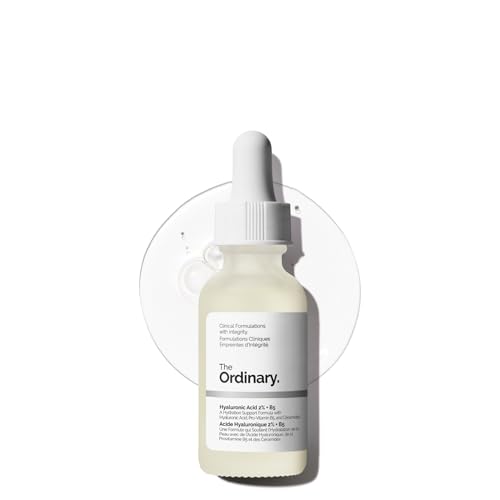
INSTANT HYDRATION: Provides immediate, long-lasting hydration for smoother, plumper, and healthier-looking skin.

[CERAMIDE-BARRIER COMPLEX FOR DRY, SENSITIVE SKIN] Formulated with 1.5% Ceramide, 0.5% Cholesterol, and 1.5% Fatty Acids to help support a weakened skin barrier, replenish moisture, and improve skin comfort for dry, sensitive skin.
Choosing Effective Ceramide-Infused Products
Although numerous ceramide products populate the market, selecting those with effective formulations requires deliberate attention to specific ceramide types, packaging, and ingredient concentrations. Prioritize products containing Ceramide 1, 3, and 6-II, as these support the skin barrier most efficiently. Inspect ingredient labels to confirm substantial ceramide presence; reputable brands often specify ceramide percentages. Choose product packaging that shields contents from light and air—opaque bottles or pump tubes maintain ceramide potency by preventing cooked conditions that degrade ingredients. Match formulations to skin type: very dry skin benefits from ceramides combined with emollients to enhance hydration and minimize moisture loss. Dermatologists advise consulting specialists for personalized recommendations, particularly when treating eczema or psoriasis, to guarantee ceramide products effectively strengthen the skin barrier under compromised conditions. Additionally, incorporating ceramides alongside other soothing ingredients like niacinamide can further improve skin barrier function and reduce redness.
Recommended Products

CETAPHIL ECZEMA RESTORADERM SOOTHING MOISTURIZER: Daily use lotion soothes itchy, irritated skin, boosts hydration, and improves the resilience of sensitive skin over time

[ HEALING OINTMENT & SKIN PROTECTANT ] Offers cracked skin treatment and anti chafe benefits. It's a non-comedogenic healing balm that moisturizes without clogging pores, making it suitable for dry skin and eczema relief

[ ECZEMA RELIEF CREAM] Eczema treatment contains Colloidal Oatmeal, Shea Butter & Vitamin E to help relieve symptoms of eczema, such as dry, itchy, scaly patches of skin
Tips for Applying Ceramide Products for Best Results
Several precise application techniques enhance the effectiveness of ceramide products, ensuring the skin barrier gains maximum benefit from their restorative properties. Experts advise to apply ceramides on damp skin within three minutes after cleansing to lock in moisture and increase absorption. Use products formulated with emollients and humectants alongside ceramides for ideal hydration and skin barrier support. Select ceramide products in opaque tubes or jars to prevent degradation by light and air, preserving their potency. Gradually incorporate ceramides into a daily routine and observe skin responses carefully to adjust usage appropriately. Consistency remains paramount; daily application improves overall skin health, enhances the skin barrier’s resilience, and maintains hydration. Following these guidelines maximizes the products’ reparative functions, reinforcing skin integrity effectively over time. Additionally, combining ceramides with hyaluronic acid can significantly boost skin hydration and plumpness.
Recommended Products

NON-GREASY MOISTURIZER: This lightweight formula keeps the outer layer of your skin protected and hydrated without feeling greasy.
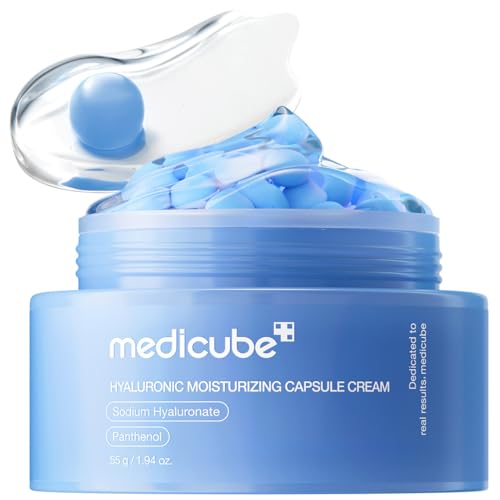
[Long Lasting Hydration Up To 120 Hours] Powered by ultra-low molecular Hyaluronic Acid capsules to deliver deep hydration to the skin, providing long-lasting moisture and visibly plump skin.

FARM RX SUPER GREENS HYALRU CERAMIDES MOISTURE CREAM (90ml/3fl oz) - A rich moisturizer formulated with a blend of 5 types of Ceramides and super nutrients like Broccoli Sprouts, Brussels Sprouts, and Green Tea, providing comprehensive hydration and protection to the skin's moisture barrier.
Frequently Asked Questions
Can Ceramides Help With Eczema or Psoriasis?
Ceramides support eczema treatment and psoriasis management by restoring the skin barrier, improving hydration levels, and reducing inflammatory response. Topical applications from various ceramide sources offer long term benefits, especially for children’s eczema and other chronic conditions.
Are Ceramides Safe During Pregnancy?
Ceramide safety during pregnancy is generally supported for topical applications, as they strengthen the skin barrier. Dermatology advice encourages expectant mothers to review ingredient research and allergy concerns within their skincare routine before selecting product recommendations.
How Quickly Do Ceramides Show Visible Skin Improvements?
Visible skin hydration improvements from ceramide products typically appear within days to weeks, depending on ceramide absorption rates and formulation variations; long-term results emphasize skin barrier restoration, irritation reduction timeline, and ceramide moisturizer efficacy across different ceramide sources comparison.
Can I Use Ceramides With Retinol or Acids?
Like a telegram in the digital age, ceramides are compatible with retinol and acids, enhancing ceramide benefits by fortifying the skin barrier. Proper product layering, formulation types, and usage frequency reduce irritation potential and boost anti-aging properties.
Do Ceramide Supplements Benefit Skin Health?
Oral ceramide supplements may support skin barrier function, improve hydration levels, and reduce inflammation, though absorption rates vary. Topical application remains more effective across skin types for moisture retention and mitigating aging effects.


