As an Amazon Associate, we earn from qualifying purchases. Some links on this site are affiliate links at no extra cost to you. Our recommendations are based on thorough research and editorial judgment.


How Antioxidants Protect Your Skin From Damage

Antioxidants protect the skin by neutralizing free radicals, unstable molecules that cause oxidative stress and collagen breakdown, accelerating aging. Experts recommend applying topical antioxidants like Vitamin C (10-20% concentration) and Vitamin E (5-10%) after cleansing for ideal absorption. These substances donate electrons to stabilize free radicals, reduce fine lines, and improve moisture retention. Combining antioxidants, such as Vitamin C with niacinamide or Ferulic Acid, enhances protection. Proper use also requires daily sunscreen application to prevent further damage. Further details explain ideal antioxidant choices and application methods.
Key Takeaways
- Antioxidants neutralize free radicals, preventing oxidative stress that damages skin cells and collagen.
- They boost collagen production, reducing wrinkles and improving skin firmness for a youthful appearance.
- Combining antioxidants like Vitamins C and E enhances UV protection and repairs environmental skin damage.
- Topical antioxidants support natural skin repair and improve hydration, texture, and tone.
- Daily antioxidant application, followed by sunscreen, protects skin from pollution, UV rays, and premature aging.
What Are Free Radicals and How Do They Affect Skin

You may be interested


Although free radicals occur naturally within the body, their overproduction is primarily triggered by external environmental stressors such as ultraviolet (UV) radiation, air pollution, and cigarette smoke. Free radicals are unstable molecules that cause oxidative stress by damaging cell structures, especially collagen, the skin’s supportive protein. This damage accelerates skin aging and contributes to photoaging, characterized by visible signs of aging like wrinkles and uneven skin tone. Experts recommend minimizing exposure to environmental stressors and incorporating antioxidants into skincare routines to neutralize free radicals effectively. Antioxidants stabilize these unstable molecules, preventing collagen breakdown and oxidative stress. To protect skin health, apply antioxidant-rich products daily and avoid excess UV exposure to reduce the cumulative damage leading to premature skin aging. Using moisturizers with antioxidant ingredients like vitamin C and niacinamide can further strengthen the skin’s defense against environmental damage.
Sources of Free Radicals in Everyday Life
When addressing skin protection, recognizing common sources of free radicals in everyday life is crucial. Free radicals arise from environmental pollutants like car exhaust and industrial waste, causing oxidative stress that impairs skin health. UV radiation from sunlight markedly increases free radical production, leading to premature aging and skin damage. Experts advise minimizing sun exposure and applying broad-spectrum sunscreen every two hours. Cigarette smoke and excessive alcohol intake also generate free radicals, accelerating skin dullness and wrinkle formation. Maintain a diet rich in dietary antioxidants—such as vitamins C and E—to neutralize free radicals and support skin repair. Dermatologist Dr. Lee states, “Consistent antioxidant intake and pollution avoidance are non-negotiable steps to defend against oxidative stress and preserve skin health in daily life.” Using serums infused with antioxidant-rich pomegranate extract can effectively combat free radicals and enhance skin vitality.
The Impact of Oxidative Stress on Skin Aging
Because oxidative stress results from an imbalance between free radicals and antioxidants, it accelerates skin aging by damaging cells and tissues. Environmental factors like UV radiation, pollution, and smoking increase free radicals, intensifying oxidative stress and harming skin health. Experts emphasize the disruption of collagen production as a critical consequence, causing wrinkles and reduced skin firmness. Dermatologist Dr. Lee explains, “Oxidative stress impairs cell turnover and hydration, leading to dull, uneven skin.” To mitigate skin aging, implement antioxidants in skincare routines, focusing on formulations with proven efficacy, such as vitamins C and E in concentrations of 10-20%. Prioritize daily protection against environmental stressors to maintain collagen integrity and overall skin health. Consistent antioxidant use is essential to counteract oxidative damage before it irreversibly ages the skin. Using vitamin C serums with stable forms like L-ascorbic acid enhances antioxidant protection and skin brightening benefits.
How Antioxidants Neutralize Free Radicals
Since free radicals are highly reactive molecules lacking a complete electron shell, antioxidants must donate electrons to stabilize these unstable compounds effectively. Antioxidants neutralize free radicals by supplying missing electrons, which prevents these molecules from causing oxidative damage to skin cells. Experts recommend incorporating antioxidants like Vitamin C and Vitamin E in skin care products to protect the skin from damage caused by environmental aggressors such as UV radiation and pollution. These antioxidants reduce oxidative stress by limiting free radical generation and supporting natural repair processes. To enhance skin resilience, apply antioxidant-containing products consistently, focusing on formulations with concentrations between 10-20% for Vitamin C and appropriate Vitamin E ratios to boost effectiveness. This targeted approach effectively protects the skin against oxidative damage, promoting healthier, more youthful skin over time. Including Ferulic Acid alongside Vitamin C and Vitamin E can further stabilize the formulation and amplify its protective benefits.
Key Antioxidants Essential for Skin Protection
Frequently, skincare professionals emphasize the critical role of key antioxidants in protecting skin from oxidative stress and environmental damage. Vitamin C and vitamin E serve as indispensable antioxidants, neutralizing free radicals that cause skin damage. Dermatologist Dr. Smith advises, “Incorporate topical vitamin C at concentrations between 10-20% daily for ideal collagen production.” Vitamin E, often paired with vitamin C, improves moisture retention and accelerates healing, reducing fine lines and scars. Anti-aging skin care regimens must also address environmental stressors; experts recommend retinoids to boost cellular turnover and niacinamide to strengthen the skin barrier. Green tea polyphenols further inhibit collagen breakdown, providing additional protection. Consistent application of these antioxidants in recommended doses effectively counters skin damage and supports sustained skin health. Additionally, choosing moisturizers with natural emollient ingredients can enhance the skin’s moisture retention and barrier function.
Recommended Products

Supercharge Your Glow: Harnessing the power of L-ascorbic acid, the industry's gold standard of vitamin C our highest concentrated serum helps brighten skin tone, reduce signs of past skin damage and minimize the appearance of fine lines & wrinkles

Supercharge Your Glow: Harness the power of L-ascorbic acid, the industry's gold standard of vitamin C, to brighten skin tone, reduce signs of past skin damage, and minimize the appearance of fine lines & wrinkles
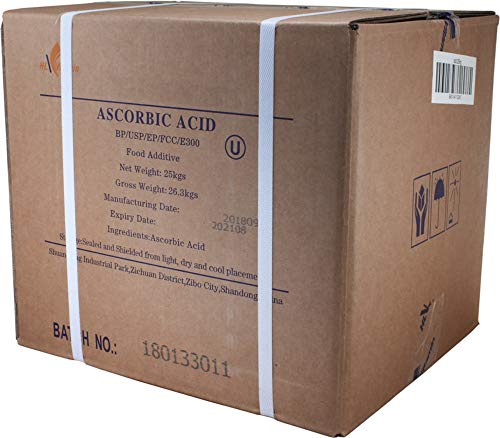
99+% Pure L-Ascorbic Acid, Chemical Formula: C6H8O6, A form of Vitamic C
The Role of Vitamin C in Skin Health
Building on the importance of antioxidants like vitamin E and green tea polyphenols, vitamin C stands out for its multifunctional benefits in skin health. As a potent antioxidant, vitamin C neutralizes free radical damage, which reduces oxidative stress and prevents premature aging. Experts recommend daily application of topical vitamin C serums with concentrations between 10-20%, which enhance collagen production, improving skin firmness and elasticity. Additionally, vitamin C inhibits melanin synthesis, promoting an even tone and reducing hyperpigmentation and dark spots. For UV protection, clinical studies confirm that vitamin C decreases UV-induced erythema and inflammation, reinforcing the skin’s defenses. To maximize benefits, apply vitamin C products to clean, dry skin before moisturizing, ensuring the formulation is stable and contains a pH below 3.5 for peak absorption and skin tone improvement. Many vitamin C serums designed for dark spot correction contain concentrations around 15%, which have been shown to deliver visible improvements within one week.
Benefits of Retinoids in Combating Skin Damage
Incorporate retinoids, derivatives of vitamin A, as essential agents to stimulate collagen synthesis, enhancing skin firmness and visibly reducing fine lines and wrinkles. Retinoids accelerate cellular turnover, promoting the removal of dead skin cells to reveal healthier, more uniform skin texture. Experts emphasize retinoids’ ability to address various skin concerns, including uneven pigmentation and surface roughness. Their antioxidant qualities bolster skin defense, increasing resilience against environmental damage that accelerates aging. Utilize retinoids consistently, starting with low concentrations of 0.25% to 0.5%, to minimize irritation while enhancing collagen production. Dermatologists recommend applying retinoids at night, followed by daily broad-spectrum sunscreen to prevent sensitivity. These agents’ anti-inflammatory properties also help reduce acne-related inflammation, further protecting against skin damage. Prioritize retinoids within antioxidant-rich regimens for thorough aging intervention. Many effective formulations also combine retinoids with hydrating ingredients like hyaluronic acid or squalane to reduce irritation and improve skin renewal.
Recommended Products

Renew Your Skin: Minimize visible signs of skin aging with our highly effective retinol cream designed with an entrapped retinol delivery system that gradually and gently releases ingredients with minimal irritation


Renew + Fortify: Hydrate with an Anti-Aging Powerhouse. Renew + Fortify products hydrate the skin and reduce the visible appearance of fine lines, wrinkles and other signs of aging.
Niacinamide and Its Effects on Skin Renewal
Niacinamide, a stable form of vitamin B3, effectively promotes skin renewal by accelerating cellular turnover, thereby improving skin brightness and evening out tone. Incorporate niacinamide in concentrations between 2%–5% to reduce fine lines and wrinkles by stimulating collagen production, which enhances skin elasticity. Dermatologist Dr. Lee emphasizes, “Consistent niacinamide use fortifies collagen synthesis, essential for maintaining skin’s structural integrity.” Address uneven skin tone by applying niacinamide serum twice daily; its anti-inflammatory properties also reduce redness and soothe irritation. For optimum results, cleanse skin thoroughly before application, ensuring absorption into deeper layers where it supports overall skin health. Avoid combining with acidic products to prevent stability loss. Regular use diminishes hyperpigmentation and fortifies the epidermis, providing both cosmetic and protective benefits, essential in antioxidant-driven skincare regimens. Some serums combine niacinamide with ingredients like zinc PCA to further enhance oil control and skin clarity.
Recommended Products

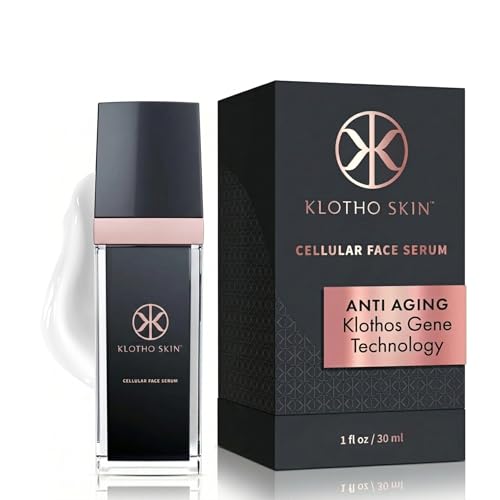
TARGETED FACE SERUM FOR VISIBLE AGING – This anti aging face serum helps improve the appearance of fine lines, wrinkles, elasticity, and texture. Designed for daily use as a concentrated anti aging serum for women and men.

Hydrating Facial Serum: Our innovative Isoplentix Technology harnesses the power of Niacinamide, Abyssinian, & Hibiscus Oils in their purest forms to help soften the appearance of fine lines & wrinkles
Enhancing Skin Barrier With Vitamin E
Three key actions define the role of Vitamin E in skin care: shielding cells from oxidative stress, enhancing moisture retention, and supporting skin elasticity. As a potent antioxidant, vitamin E protects skin by neutralizing harmful free radicals generated by UV radiation and pollution. Clinicians recommend incorporating vitamin E at concentrations of 5-10% in topical products to enhance skin barrier function effectively. This improvement in moisture retention prevents dryness and supports a resilient barrier that resists environmental damage. Experts note that vitamin E’s ability to reduce fine lines comes from its elasticity-boosting properties, which promote smoother texture. Additionally, vitamin E assists in achieving an even skin tone by aiding scar healing and reducing hyperpigmentation. Dermatologists affirm, “Use vitamin E consistently to fortify your skin’s natural defenses and maintain healthy appearance.” For optimal results, pairing vitamin E with clay cleansers can support detoxification and balance of skin oils, enhancing overall skin health.
Combining Antioxidants for Maximum Effectiveness
When multiple antioxidants are combined in skincare formulations, their protective effects against environmental damage increase considerably, as each compound targets oxidative stress through distinct mechanisms. Combining antioxidants like vitamin C and E enhances protective effects against UV damage since vitamin E stabilizes vitamin C, improving its efficacy. Synergistic benefits also emerge when niacinamide pairs with vitamin C, visibly enhancing skin texture and tone by reducing discoloration. Experts recommend using multiple antioxidants such as green tea polyphenols and resveratrol for powerful anti-inflammatory action, maximizing effectiveness in combating oxidative stress. Prioritize formulations containing at least 5% vitamin C with complementary antioxidants to guarantee peak cellular protection. Employing layered serums and creams daily boosts absorption and maximizes effectiveness, reinforcing the skin’s defense system through consistent antioxidant synergy. Incorporating rosehip oil serums rich in essential fatty acids and vitamins further enhances skin hydration and elasticity while contributing potent antioxidant support.
Proper Application Techniques for Antioxidant Skincare
Effective antioxidant skin protection requires precise application techniques to guarantee compounds penetrate deeply and retain potency. Apply topical antioxidants immediately after cleansing and toning to maximize absorption. Experts emphasize the “thinnest to thickest” layering rule, placing antioxidant serums before heavier creams or oils to prevent barrier obstruction. Use gentle patting motions rather than rubbing, avoiding friction that can irritate the skin’s surface and accelerate aging. Apply serums with an upward motion to counteract gravitational pull and support skin firmness. Following antioxidant application, always use a broad-spectrum sunscreen to enhance protection against UV-induced free radicals. This combination considerably reduces oxidative stress and premature skin damage. Instructive protocols prioritize timing, product consistency, and application technique to optimize skin care product efficacy and extend antioxidant benefits.
Nutritional Sources of Antioxidants for Skin Support
Although topical antioxidants offer direct skin benefits, incorporating antioxidant-rich foods considerably supports skin health from within by providing essential vitamins and compounds, such as vitamin C, E, and beta carotene, critical for collagen synthesis, hydration, and protection against environmental damage. Experts emphasize consuming red bell peppers and papayas daily, as these foods contain high levels of vitamin C and carotenoids, which protect skin from oxidative stress and improve hydration. Include sweet potatoes and spinach to supply beta carotene and vitamins that promote collagen production and enhance skin elasticity. Blueberries deliver antioxidants found effective in neutralizing free radicals, thereby defending skin from environmental harm. Consistent intake of these foods supports skin health effectively, reinforcing the skin’s natural defenses and sustaining youthful appearance over time.
Frequently Asked Questions
How Do Antioxidants Protect Skin From Damage?
Antioxidants, absorbed through skincare products and dietary impact, act like shields against free radicals, enhancing collagen production and UV protection while reducing inflammation. These potent antioxidant sources maintain skin’s resilience and robustness, preventing visible damage effectively.
What Is the Most Powerful Antioxidant for Skin?
Vitamin C is regarded as the most powerful antioxidant for skin, with synergistic effects enhanced by Vitamin E. Resveratrol benefits and Green tea polyphenols complement Coenzyme Q10, Anthocyanins effects, Curcumin properties, and Niacinamide uses for ideal protection.
What Is the Role of Antioxidants in the Skin?
Antioxidants act as vigilant guardians, shielding skin from free radicals that accelerate skin aging. Through dietary sources and topical applications, they enhance cellular health, sun protection, inflammation reduction, and skin hydration, preserving youthful radiance.
Do Antioxidants Repair Damage?
Antioxidants provide significant benefits by promoting cellular repair and neutralizing free radicals. Topical applications enhance skin health, reduce inflammation, support skin hydration, and slow the aging process, collectively facilitating effective skin damage repair.


