As an Amazon Associate, we earn from qualifying purchases. Some links on this site are affiliate links at no extra cost to you. Our recommendations are based on thorough research and editorial judgment.


The Complete Guide to Niacinamide Benefits and Uses

Niacinamide, a water-soluble form of vitamin B3, strengthens skin’s lipid barrier, reduces inflammation, regulates oil production, and fades dark spots at 2–10% concentrations. Experts advise starting with 2–3% for sensitive skin and applying after cleansing, before moisturizer and sunscreen. Avoid combining with strong AHAs/BHAs to prevent irritation. Use hypoallergenic, fragrance-free formulas and conduct patch tests. Following these guidelines enhances collagen stimulation and pore control. Additional detailed insights clarify ideal use and precautions.
Key Takeaways
- Niacinamide strengthens the skin barrier and neutralizes free radicals to prevent premature aging.
- It reduces fine lines, fades dark spots, and promotes an even skin tone by boosting collagen and inhibiting melanin.
- This vitamin B3 form calms inflammation, regulates oil, and minimizes pores, aiding acne and sensitive skin.
- Apply 2-10% niacinamide serums after cleansing and toning, layering under moisturizers and sunscreen.
- To avoid irritation, patch test first, avoid mixing with strong AHAs/BHAs, and use hypoallergenic, fragrance-free formulas.
What Is Niacinamide?

You may be interested


Niacinamide, also called nicotinamide, is an essential water-soluble form of vitamin B3 important for skin health and metabolic functions. Experts confirm niacinamide supports the skin barrier by strengthening lipids that protect against environmental damage. It is antioxidant-rich, helping neutralize free radicals that accelerate aging. Dermatologists emphasize its role in reducing inflammation and regulating oil production, which is vital for managing skin conditions like acne and rosacea. Clinical studies demonstrate that topical niacinamide, typically at concentrations from 2% to 10%, is well-tolerated across diverse skin types. Additionally, niacinamide effectively targets hyperpigmentation, promoting a more even complexion. For best results, incorporate niacinamide into daily skincare routines to improve skin texture and bolster natural defenses, adhering strictly to recommended concentrations to prevent irritation. Higher concentrations between 10% and 20% provide rapid pore reduction and breakout control with consistent use over several weeks.
Key Benefits of Niacinamide for Skin

Because maintaining skin health requires addressing multiple concerns simultaneously, dermatologists recommend incorporating niacinamide-based products that provide wide-ranging benefits with minimal irritation. Niacinamide reduces fine lines by stimulating collagen production, which firms skin and supports a youthful texture. It effectively fades dark spots by inhibiting melanin synthesis, resulting in an even skin tone with regular use. Suitable for sensitive skin, it calms inflammation and redness, beneficial in conditions like acne and rosacea. This ingredient hydrates by boosting ceramide levels, strengthening the skin barrier for improved moisture retention. In addition, niacinamide regulates oil production, minimizing large pores and reducing breakouts. Experts advise selecting formulations containing 2–5% niacinamide concentration; higher levels may increase irritation. Consistent application delivers cumulative benefits critical to thorough skin health management. For optimal results, many serums combine niacinamide with complementary ingredients such as zinc and hyaluronic acid to enhance hydration and oil control.
Recommended Products

ACHIEVE FLAWLESS COMPLEXION: Enhanced with 5% Vitamin B3, this luxurious serum not only tightens pores for a visibly smoother complexion but also intensely hydrates & removes dark spots. Say goodbye to uneven skin tones and dark spots with every application, paving the way for balanced, flawless skin. Perfect for those seeking a one-stop solution to achieve a radiant and youthful appearance.

All-in-One Glow Serum - Uneven skin tone, hydration, and skin texture care with 10-layer hyaluronic acid, Panthenol, and Betaine.

KOREAN GLASS GLOW SKIN: This pink glow serum targets dull skin and boosts elasticity, helping to prevent future breakouts while enhancing the skin's glow and resilience.
How to Incorporate Niacinamide Into Your Skincare Routine

Incorporate niacinamide into skincare routines by applying serums containing 5–10% concentration after cleansing and toning to maximize absorption. Experts advise starting with a niacinamide serum at lower concentrations (2–3%) for sensitive skin, gradually increasing to higher concentrations as tolerance builds. Apply niacinamide after water-based products and before heavier creams or oils, guaranteeing full absorption to enhance layering. Use this ingredient both morning and evening, layering beneath moisturizers and sunscreen for improved skin barrier protection. Combine niacinamide with complementary ingredients such as hyaluronic acid or peptides to boost benefits, but avoid pairing it directly with strong AHAs or BHAs to prevent irritation. This precise sequencing within a skincare routine guarantees the most effective application and promotes superior absorption across diverse skin types. For optimal results, it is essential to cleanse with pH-balanced cleansers that maintain the skin’s natural barrier before applying niacinamide.
Recommended Products

BOOSTS BRIGHTNESS & SMOOTHNESS: Niacinamide 10% + Zinc 1% visibly improves skin radiance and smooths texture in one week.

CLINICALLY SHOWN RESULTS: Our concentrated niacinamide serum is high-quality, formulated with pure 12% niacinamide and 2% zinc PCA, clinically shown to reduce the appearance of dark spots, pores, fines lines & wrinkles

KOREAN GLASS GLOW SKIN: This pink glow serum targets dull skin and boosts elasticity, helping to prevent future breakouts while enhancing the skin's glow and resilience.
Suitable Skin Types and Sensitivities for Niacinamide Use
Although suitable for a broad range of skin types, niacinamide requires tailored application based on individual skin characteristics and sensitivities to enhance results. Niacinamide is suitable for all skin, including oily, dry, sensitive, and aging skin, due to its ability to reinforce a healthy skin barrier and moisture barrier. Use niacinamide to reduce redness and calm sensitive or acne-prone skin by leveraging its anti-inflammatory properties. For aging skin, apply as directed to support improving elasticity and reduce appearance of fine lines and age spots by stimulating collagen synthesis. To achieve these benefits of niacinamide, use products containing 5% concentration or less daily, integrating gently with existing skincare. Experts advise adjusting frequency if irritation arises, ensuring ideal barrier restoration without compromising skin integrity. When choosing a niacinamide product, consider hypoallergenic, fragrance-free formulations to minimize irritation and maximize benefits for sensitive skin.
Recommended Products

REFINE TEXTURE & MINIMIZE PORES: 10% niacinamide serum that refines the look of skin texture and improves the appearance of enlarged pores.

DAILY FACIAL MOISTURIZER: This moisturizing face cream delivers a powerful boost of hydration to nourish and plump skin for a firmed-up, bouncy complexion with a luminous finish that lasts all-day and feels soft.

[3-STEP MELANIN DEFENSE – MULTI-TARGET BRIGHTENING] More than just niacinamide. Step 1: 20% Niacinamide (Vitamin B3) helps block melanin from surfacing. Step 2: Tranexamic Acid (TXA) helps calm discoloration at the source. Step 3: Glutathione + Hexylresorcinol help brighten dullness and dark spots. Together, they target the look of stubborn discoloration, post-blemish marks, and uneven tone for a clearer, more radiant complexion.
Common Side Effects and Safety Tips
Numerous users tolerate niacinamide well, yet experts emphasize exercising caution during initial application, especially with higher concentrations above 5%. Common side effects include mild irritation, tingling, or redness, particularly in those with sensitive skin or when exceeding recommended concentrations. Perform a patch test on a small skin area before widespread use to detect potential adverse reactions. Use niacinamide in concentrations between 2-10%, balancing efficacy and safety. Avoid layering niacinamide with strong AHAs or BHAs on the same day to minimize irritation. Incorporate niacinamide gradually into routines containing other skincare ingredients. Follow these safety tips to reduce side effects while promoting visible improvements, typically after 6 to 8 weeks. Experts assert: adherence to proper concentration and testing safeguards user skin health during niacinamide treatment. Selecting dermatologist-tested products can further ensure safety and compatibility with sensitive skin.
Recommended Products

GENTLE PORE & TEXTURE CARE: 5% niacinamide serum with ectoin that refines the look of texture and minimizes the look of pores.

FADE DARK SPOTS: Formulated with 5% niacinamide to reduce the appearance of dark spots on the face and body, promoting a more even looking skin tone in just 3 weeks.

🍉Freshing Juicy Glow Skincare Routine - Discover your new skincare essentials with the QUIYUM Skincare Set. This 5-in-1 set includes Watermelon Serum 1 fl oz, Cleanser 3.53 oz, Toner 5.41 fl oz, Eye Cream 0.71oz and Moisturizing Face Cream 1.76 oz. Refreshing skin care without stickiness
Best Practices for Maximizing Niacinamide Results
Maximize niacinamide’s effectiveness by applying it consistently twice daily, during morning and evening skincare routines, to address inflammation and enhance skin texture. Experts recommend starting with 2-5% niacinamide concentration to assess tolerance before increasing to 10-20%. Always apply on clean skin, following cleansing and toning, but before heavier moisturizers, ensuring ideal absorption. Incorporate complementary ingredients like hyaluronic acid to boost hydration and reinforce the healthy barrier. Consistency is key; visible signs of improvement in skin texture, elasticity, and reduced fine lines require at least 6-8 weeks of regular use. Skincare products should be layered carefully to prevent irritation and maximize benefits. Dermatologists emphasize, “Maintain routine discipline to fully realize niacinamide’s anti-aging and brightening advantages.” Avoid skipping applications for sustained outcomes. Using formulations that are fragrance-free and non-comedogenic can further enhance niacinamide’s benefits by reducing potential irritation and clogging during daily use.
Recommended Products

Advanced Niacinamide & Hyaluronic Acid: Hydrate and refresh your skin with every application of our advanced formula that elevates your routine.

HYDRATING FACE SERUM: Get your bounce back and add an unparalleled boost of hydration to your skincare routine. This gel face serum is supercharged with 1.7% hyaluronic acid, plus squalane and niacinamide, to help deliver maximum hydration.
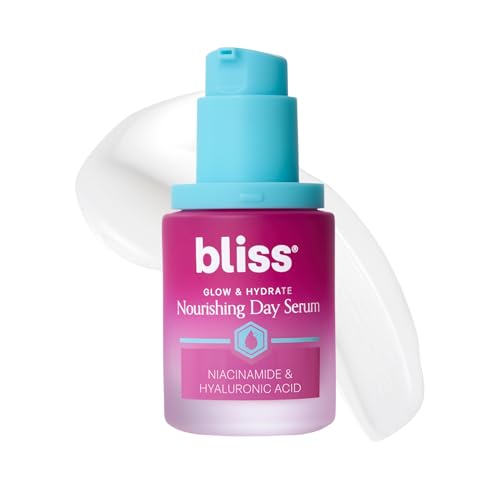
MULTI-ACTION GLOW & HYDRATION: Bliss Glow & Hydrate Serum combines niacinamide, hyaluronic acid, and vitamin E to help boost skin’s natural glow while supporting hydration and overall skin resilience for a smoother, more radiant complexion.
Frequently Asked Questions
Can Niacinamide Help With Hair Health or Scalp Conditions?
Niacinamide acts as a gardener, tending roots to nourish growth and soothe scalp inflammation. It promotes follicle health through scalp hydration, oil control, and dandruff treatment, enhancing product absorption, scalp exfoliation, and reducing hair loss.
Does Niacinamide Interact With Sunscreen Effectiveness?
Niacinamide does not interfere with sunscreen absorption or broad spectrum sun protection. Its formulation compatibility supports vitamin interactions without increasing skin irritation. Proper application tips and product layering suit various skin types in a daily routine.
Can Niacinamide Be Used Around the Delicate Eye Area?
Niacinamide can be used around the delicate eye area due to its low irritation potential. Its antioxidant properties support skin barrier health, enhancing skin hydration, reducing wrinkles, dark circles, and allowing safe product layering within proper cleaning routines.
How Does Niacinamide Compare to Other B Vitamins in Skincare?
Like a radiant beacon amidst a vitamin B complex, niacinamide surpasses riboflavin and biotin in absorption rates, delivering targeted skin benefits. Its synergy with topical antioxidants enhances effects, distinguishing it in skincare ingredient comparisons and dosage guidelines.
Is Niacinamide Effective for Men and Women Equally?
Niacinamide gender effects show similar efficacy for men and women, supported by clinical studies. Absorption rates, product compatibility, and formulation variations influence outcomes, while dosage recommendations, skin types, and seasonal usage guide effective skincare routine integration for target demographics.


