As an Amazon Associate, we earn from qualifying purchases. Some links on this site are affiliate links at no extra cost to you. Our recommendations are based on thorough research and editorial judgment.


Understanding AHAs vs. BHAs for Exfoliation

Alpha Hydroxy Acids (AHAs) exfoliate the skin surface by dissolving dead cells, recommended at 5-10% concentrations for evening use to improve texture and hydration. Beta Hydroxy Acids (BHAs), primarily salicylic acid at 0.5-2%, penetrate pores to reduce oil and acne with anti-inflammatory effects. Experts advise starting with low frequency, applying at night after cleansing, and always using SPF 30+ post-application to prevent irritation and photosensitivity. Proper use avoids barrier damage and enhances results. Below covers safe combined use and skin care steps.
Key Takeaways
- AHAs are water-soluble acids that exfoliate the skin surface by dissolving dead skin cell bonds, improving texture and tone.
- BHAs are oil-soluble, penetrate pores deeply, and effectively treat acne and oily skin with anti-inflammatory benefits.
- AHAs commonly include glycolic, lactic, and mandelic acids, best used in 5-10% concentrations during evening routines.
- BHAs mainly use salicylic acid at 0.5-2% for daily exfoliation, targeting blackheads and pore congestion.
- Alternate AHAs and BHAs 2-3 times weekly, followed by sunscreen, to avoid over-exfoliation and skin irritation.
What Are AHAs?

You may be interested


Alpha-hydroxy acids (AHAs) are a class of water-soluble acids derived from natural sources, including sugarcane, milk, and various fruits, that function primarily as chemical exfoliants in skincare. AHAs work by dissolving the bonds between dead skin cells, thereby facilitating their removal and revealing fresher skin beneath. Experts recommend using products containing glycolic acid, a potent AHA known for effective skin penetration and enhanced exfoliating action. Apply glycolic acid formulations starting at concentrations of 5-10% to minimize irritation, increasing gradually as tolerated. These acids specifically address surface concerns such as uneven tone, fine lines, and sun-induced damage. Instruct users to cleanse skin thoroughly, apply AHA products evenly, and follow with sunscreen, as AHAs increase photosensitivity. Consistent use promotes cell turnover, improves texture, and hydrates the skin through enhanced moisture retention. For best results, pairing AHAs with hydrating ingredients like hyaluronic acid can help maintain the skin’s moisture balance.
Common Types of AHAs

Various types of AHAs provide differing benefits and potency levels, requiring careful selection based on skin type and treatment goals. The common types of AHAs include glycolic acid, lactic acid, mandelic acid, citric acid, and malic acid. Glycolic acid, with its small molecular size, penetrates deeply to exfoliate effectively and prevent acne. Dermatologist Dr. Susan Lee advises, “Use glycolic acid-based products at concentrations between 5% and 10% for daily use, adjusting based on tolerance.” Lactic acid exfoliates gently while enhancing hydration, making it ideal for dry or sensitive skin. Mandelic acid’s larger molecules reduce irritation risks but act slower. Citric acid offers brightening effects alongside antioxidant protection. Professionals recommend starting with lower concentrations (around 5%) and increasing gradually to monitor skin response and avoid adverse reactions. Following usage guidelines closely, especially regarding sunscreen application, is important since AHAs can increase photosensitivity.
Recommended Products

EXFOLIATING TONER: Smoothes skin texture, visibly evens tone, and enhances luminosity with daily use.

EXFOLIATING TONER: Smoothes skin texture, visibly evens tone, and enhances luminosity with daily use.

Glycolic acid toner for radiant skin. This face toner with glycolic acid gently resurfaces skin and helps reveal a brighter and smoother complexion.
How AHAs Benefit the Skin

Maximize skin renewal by incorporating AHAs, such as glycolic and lactic acid, which dissolve the bonds between dead skin cells on the surface to enhance texture and tone. AHAs target the skin’s outer layer, accelerating exfoliation and promoting increased cell turnover for visibly smoother skin texture. Experts recommend using formulations containing 5-10% AHAs to effectively reduce fine lines and stimulate hydration by attracting moisture molecules. Consistent application fades hyperpigmentation and dark spots, resulting in a more even skin tone and improved radiance. Dermatologists emphasize applying AHAs during evening routines, followed by daily broad-spectrum sunscreen, to protect newly revealed skin. Avoid overuse, as concentrations above 10% demand professional supervision to prevent irritation and sensitivity. Proper AHA exfoliation restores a healthier complexion by refining skin texture and enhancing overall surface clarity. For optimal skin health, pairing AHA use with hyaluronic acid moisturizers can provide effective hydration and barrier support.
What Are BHAs?
Unlike AHAs that work on the skin’s surface, beta-hydroxy acids (BHAs) penetrate deeper into pores due to their oil-soluble nature. BHAs, primarily salicylic acid, effectively dissolve excess oil and debris within pores, making them indispensable for oily skin management. Dermatologists recommend introducing BHAs at concentrations between 0.5% and 2%, applying once daily to minimize irritation while controlling acne and clogged pores. BHAs not only exfoliate but also provide anti-inflammatory and antibacterial benefits, reducing redness and calming breakouts. Experts emphasize avoiding overuse, as excessive application may cause dryness or sensitivity. Individuals with oily skin should integrate BHAs into their routine after cleansing, followed by moisturizer and sun protection. This regimen guarantees peak pore cleansing and supports clearer, smoother skin. For best results, it is crucial to patch-test new treatments to monitor for potential irritation before regular use.
Salicylic Acid and Its Role
Salicylic acid, the primary beta-hydroxy acid used in skincare, penetrates deeply into pores due to its oil-soluble properties, effectively exfoliating and clearing blackheads and whiteheads. This BHA dissolves excess oil, dead skin cells, and debris, making it essential for oily and acne-prone skin types. Dermatologist Dr. Lee emphasizes, “For effective pore cleansing, use products with 1-2% salicylic acid.” Derived naturally from willow bark yet often synthetically produced for consistency, salicylic acid also provides anti-inflammatory benefits, reducing redness and calming skin irritations typical of acne. To optimize results, experts recommend applying salicylic acid-based exfoliants once daily, avoiding overuse that can cause dryness. Confirm formulations contain at least 0.5% BHA concentration for visible improvements in skin texture and reduced comedones, especially if targeting oily, acne-prone skin concerns. Many effective cleansers contain up to 2% salicylic acid and often include additional soothing ingredients like tea tree oil to balance exfoliation with calming benefits.
Recommended Products

ACNE CLEANSER FOR ACNE-PRONE SKIN Looking for a daily facial cleanser for acne-prone skin? Formulated to support daily blemish care while helping maintain balanced-looking skin

[ACNE FACE WASH WITH SALICYLIC ACID] This salicylic acid cleanser gently exfoliates, reducing blackheads and minimizing pores. It helps prevents acne making it an effective face wash for acne.
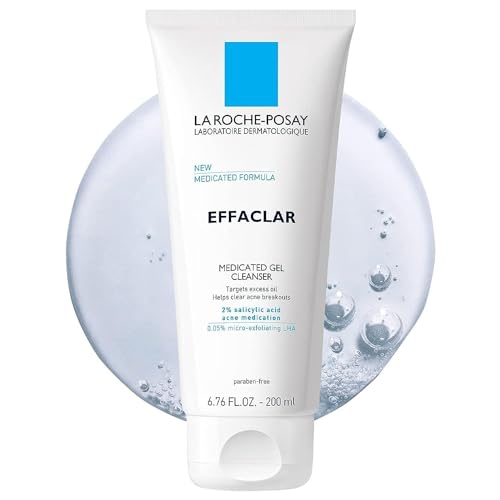
This salicylic acid face wash for oily skin is formulated with 2% salicylic acid and lipo-hydroxy acid to remove impurities without harsh scrub particles that may irritate skin
How BHAs Improve Skin Health
Although often associated primarily with acne treatment, beta-hydroxy acids (BHAs) serve a broader role in improving skin health through their unique oil-soluble properties. Salicylic acid can help deeply penetrate pores to dissolve excess oil and debris, effectively preventing blackheads and whiteheads, especially in acne-prone skin. BHAs are generally recommended for oily, blemish-prone skin types due to their anti-inflammatory and anti-bacterial effects, which soothe redness and reduce swelling. Experts assert that consistent use promotes cell turnover, improving skin texture and clarity over time. Dermatologists advise applying products with 1-2% salicylic acid concentration daily or every other day, emphasizing patch tests to avoid irritation. Additionally, BHAs calm irritated skin and regulate oil production, making them essential in managing both acne and conditions like rosacea. Many effective treatment options combine salicylic acid with soothing ingredients like witch hazel and aloe for gentle yet thorough exfoliation and pore cleansing, as seen in salicylic acid treatments.
Differences Between AHAs and BHAs
AHAs and BHAs differ fundamentally in their chemical properties and skin effects, guiding their appropriate use in skincare routines. AHAs are water-soluble acids, such as glycolic acid from sugarcane, designed to exfoliate the skin’s surface by breaking down dead cells, improving fine lines and texture. BHAs, like salicylic acid, are oil-soluble, enabling deeper pore penetration for exfoliation, effective in treating acne and clogged pores. Dermatologist Dr. Lee emphasizes, “Choose AHAs for surface renewal; use BHAs to target deeper impurities.” AHAs typically have smaller molecules, allowing faster surface absorption, while BHAs offer milder but deeper action. Apply exfoliants with 5-10% AHA or 1-2% BHA concentration, avoiding overuse to prevent irritation. Follow product instructions carefully, and monitor skin responses regularly to optimize exfoliation benefits. For enhanced skincare results, using antioxidant moisturizers after exfoliation can protect and hydrate the skin effectively.
Recommended Products

AHA BHA PHA TONER FOR BLEMISH-PRONE SKIN Looking for a toner for blemish-prone skin? Formulated with AHA, BHA, and PHA to support daily blemish care and smoother-looking skin.

GENTLE NON-ABRASIVE LEAVE-ON EXFOLIANT: With 2% BHA (Beta hydroxy acid), to unclog & diminish enlarged pores, exfoliate dead skin cells, smooth wrinkles, and brighten and even out skin tone. Combats redness, wrinkles, aging, enlarged pores, and blackheads.

Exfoliates and Refines Pores - Perfect for those concerned about enlarged pores, seeking smoother skin, battling greasy skin from excess sebum
Choosing AHAs or BHAs Based on Skin Type
When determining the appropriate exfoliant based on skin type, consult dermatologist guidelines that recommend selecting acids to match individual skin characteristics precisely. For normal to dry skin types, AHAs like glycolic and lactic acid serve best by exfoliating surface layers and addressing texture, pigmentation, and aging signs. For oily or acne-prone skin, BHAs, particularly salicylic acid, penetrate deeply to clear pores and reduce breakouts. Sensitive skin requires starting with lower concentrations of either AHA or BHA, increasing usage gradually to track tolerance and avoid irritation. Experts advise choosing:
- AHAs for uneven tone or fine lines
- BHAs for blackheads and acne-prone skin
Adhering strictly to these product selections based on skin type optimizes exfoliation benefits and minimizes adverse effects. It is also crucial to follow the recommended application frequency to prevent irritation and maintain skin health.
Recommended Products

[ EXFOLIATING FACE WASH ] Salicylic acid, a beta hydroxy acid (BHA), serves as a gentle facial exfoliator, removing dead skin cells and enhancing radiance. This salicylic acid face wash is less abrasive than traditional exfoliating cleansers like scrubs

CETAPHIL GENTLE EXFOLIATING SA CLEANSER: Gently cleanses and exfoliates to promote surface skin cell renewal for smooth, even and radiant-looking skin after just 1 use
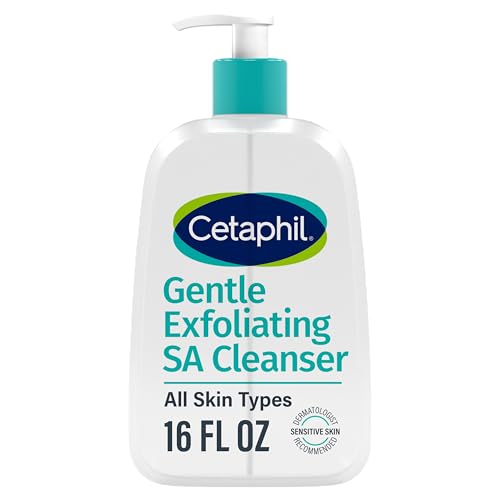
CETAPHIL GENTLE EXFOLIATING SA CLEANSER: Gently cleanses and exfoliates to promote surface skin cell renewal for smooth, even and radiant-looking skin after just 1 use
Using AHAs and BHAs Together Safely
Implement a cautious strategy when integrating AHAs and BHAs into a skincare routine by initially using one product exclusively to evaluate individual skin tolerance and minimize irritation risks. Dermatologists advise alternating exfoliation methods, for example, using AHAs one day and BHAs the next, to benefit fully from both without overwhelming the skin’s protective barrier. Utilize blended formulations containing specific concentrations of AHAs and BHAs only if designed for combined use, typically maintaining total acid concentration below 10% to reduce irritation risks. Monitor skin response daily; reduce application frequency or concentration if redness or peeling occurs, as this signals over-exfoliation. Consistent application of broad-spectrum sunscreen is mandatory after using AHAs and BHAs since these acids increase photosensitivity and risk of UV damage. Additionally, incorporating a gentle cleansing product like a calming cleansing balm can help maintain skin barrier integrity while exfoliating.
Application Tips for Chemical Exfoliants
A limited frequency of chemical exfoliant use is recommended initially to assess skin tolerance, generally applying products with lower concentrations two to three times per week. Experts advise starting with one exfoliant, either an AHA or BHA, to observe skin response before combining types. Apply chemical exfoliants at night to reduce sun sensitivity risks, and always follow with broad-spectrum sunscreen the next morning. Use these application tips: cleanse and dry skin thoroughly, then apply a thin, even layer of exfoliant. Avoid concurrent use with harsh ingredients like retinoids or physical scrubs. When alternating AHAs and BHAs, use one exfoliant per night on non-consecutive days to prevent over-exfoliation. Consistent careful application guarantees effective, safe exfoliation without irritation.
Recommended Products
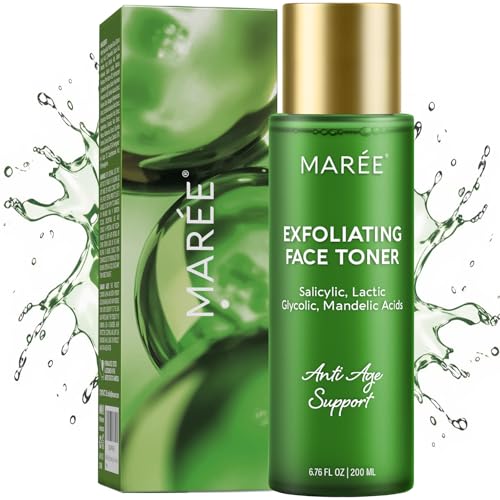
Exfoliating Salicylic Acid Toner — A lightweight AHA BHA exfoliant that helps sweep away dull surface cells for smoother-looking, more even skin. A perfect face exfoliant and exfoliante facial to refresh and upgrade your daily routine.

NEW LOOK, SAME TONER FORMULA: This isn’t any ordinary toner! Thayers Exfoliating 2% AHA Toner is a glycolic acid toner featuring plant extracts and derm actives: glycolic acid, lactic acid, and witch hazel. This AHA exfoliant softens texture in one week, refines visible pores, and enhances skin luminosity
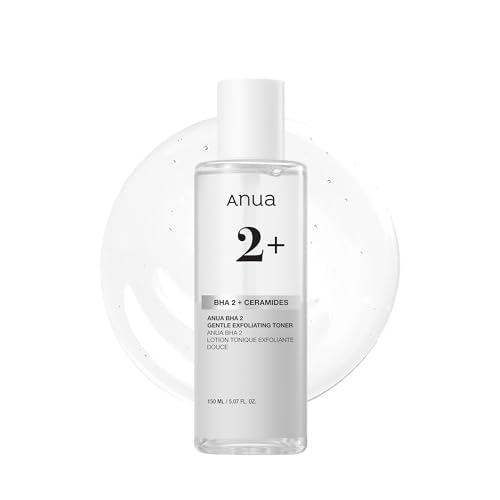
[Deep Pore Exfoliation] Formulated with 2% BHA (salicylic acid) to help remove excess sebum and dead skin cells, improving the look of blackheads and enlarged pores for clearer-looking skin.
Expected Timeline for Results
Several weeks of consistent application are necessary to observe visible improvements from alpha hydroxy acids (AHAs) and beta hydroxy acids (BHAs) due to the skin’s natural turnover cycle, which lasts approximately 28 to 45 days depending on age, health, and other individual factors. Experts advise applying AHAs 2-3 times weekly at 5-10% concentration to achieve smoother texture and reduced fine lines within this timeline. BHAs, typically salicylic acid at 1-2%, can start clearing pores and reducing breakouts after 2-4 weeks of use. The timeline for enhanced radiance and diminished discoloration extends over several months with regular use. Dermatologists emphasize patience and advise monitoring skin reactions carefully, as results vary by skin type, acid formulation, and adherence to recommended frequency to optimize outcomes while minimizing irritation. For improved tolerance and absorption, applying serums with hydrating ingredients such as hyaluronic acid on clean, damp skin is recommended.
Protecting Your Skin After Exfoliation
Many skincare professionals stress the importance of applying a broad-spectrum sunscreen with at least SPF 30 immediately after exfoliating with AHAs or BHAs, as these acids increase the skin’s sensitivity to ultraviolet (UV) radiation. Use a generous amount—approximately one teaspoon—to guarantee adequate coverage on the face. Follow exfoliation with moisturizing serums or creams containing hydrating ingredients like hyaluronic acid to restore the skin barrier and prevent dryness. Avoid over-exfoliating by limiting AHA or BHA use to 2-3 times per week. Monitor for any irritation, such as redness or stinging; if present, reduce frequency or consult a dermatologist. Experts advise against combining exfoliating acids with retinol without professional guidance to minimize irritation risk. Consistent sunscreen and moisturizing routines are essential to protect and maintain skin health post-exfoliation.
Frequently Asked Questions
Is BHA or AHA Better for Exfoliating Skin?
Studies show 80% of people with acne find BHA more effective for exfoliation. AHA benefits include improved hydration and brightness, while BHA uses target clogged pores. Combining both in exfoliation routines optimizes skin health.
Which AHA Is Best for Exfoliation?
Glycolic acid is best for exfoliation due to its small molecular size, providing quick penetration and effective texture improvement. Lactic acid offers gentle exfoliation with hydration, while mandelic acid suits sensitive skin with minimal irritation.
Do BHAS Penetrate Deeper Than AHAS?
BHA absorption depth is greater than AHAs, enabling deeper pore exfoliation. While AHAs provide surface-level benefits like improved texture, exfoliation frequency recommendations suggest using BHAs sparingly to avoid irritation, especially for oily or acne-prone skin types.
Is Salicylic Acid a BHA or AHA?
Salicylic acid is a BHA. Its benefits include deep pore exfoliation, anti-inflammatory effects, and suitability for oily or acne-prone skin. It complements chemical exfoliation techniques and requires careful use based on skin type compatibility.


