As an Amazon Associate, we earn from qualifying purchases. Some links on this site are affiliate links at no extra cost to you. Our recommendations are based on thorough research and editorial judgment.


The Role of Glycerin in Hydrating Products

Glycerin functions as a potent humectant in hydrating products, attracting and binding water to the skin’s outer layer, thereby enhancing moisture retention and barrier strength. Experts recommend using formulations containing 2-5% glycerin applied on damp skin to maximize hydration and soothe irritation. Avoid high concentrations, as they may cause dryness or greasiness, especially in oily skin. Consistent use supports skin texture and facilitates deeper active ingredient absorption. Further details clarify glycerin’s critical role in skincare efficacy and safety.
Key Takeaways
- Glycerin acts as a powerful humectant, attracting moisture from the environment to hydrate the skin’s outer layers.
- It mimics the skin’s natural moisturizing factor, reinforcing the skin barrier and maintaining hydration balance.
- Glycerin soothes irritation and supports sensitive skin by reducing inflammation and improving texture.
- It enhances the penetration and effectiveness of other active ingredients by maintaining optimal skin moisture.
- Regular use of glycerin in hydrating products improves skin hydration, promotes healing, and maintains barrier function.
What Is Glycerin?

You may be interested


Glycerin, also called glycerol, is a clear, odorless, sweet-tasting liquid widely used in skincare due to its powerful humectant properties. As a humectant, glycerin attracts water from the environment and deeper skin layers, enhancing moisture retention in the outer skin. Experts confirm glycerin’s integral role within the skin’s natural moisturizing factor (NMF), essential for maintaining hydration and preventing dry skin. Skincare products formulated with glycerin improve skin texture while soothing irritation, making it suitable for sensitive skin when used in diluted concentrations (typically 2-5%). Clinicians recommend selecting glycerin-containing formulations to support the skin barrier effectively, noting its non-irritating nature and compatibility with various skin types. Consistent use of glycerin-enriched products guarantees balanced hydration without greasy residue, fundamental for achieving peak skin health. When formulated alongside ingredients like dimethicone, glycerin helps protect against trans-epidermal water loss to maintain optimal skin hydration.
How Glycerin Hydrates and Protects the Skin

A majority of effective hydrating treatments contain humectants that attract and bind water molecules to the skin’s surface, vital for reducing dryness and enhancing moisture retention. Glycerin, a potent humectant, actively draws moisture from the environment into the skin’s outer layers, significant for hydration and forming a protective layer. Experts emphasize that glycerin mimics the skin’s natural moisturizing factor, thereby strengthening skin barrier function and shielding against irritants. Additionally, glycerin’s anti-inflammatory properties soothe dry or irritated skin, promoting quicker recovery. It also enhances penetration, increasing efficacy of other actives by maintaining ideal moisture levels. To maximize skin health, incorporate glycerin-containing products with 5-10% concentration for consistent hydration without clogging pores. Dermatologists recommend daily application to maintain moisture balance, improve texture, and support skin’s protective function effectively. Many fragrance-free moisturizers containing hyaluronic acid and ceramides complement glycerin’s effects by offering long-lasting hydration and skin barrier support.
Recommended Products

24-hour results: Clinically proven to help moisturize dry skin for 24 hours** with Pro-Ceramide and glycerin, this hydrating lotion helps strengthen your skin’s natural moisture barrier for healthier-looking, hydrated skin

16-fluid ounce bottle of Lubriderm Fragrance Free Daily Moisture Lotion + Pro-Ceramide, Shea Butter and Glycerin to help restore skin's moisture barrier for healthier-looking skin

2-ounce fragrance-free Neutrogena Norwegian Formula Hand Cream delivers concentrated hydration to help moisturize and soothe rough, dry hands, making skin feel softer and smoother.
Skincare Benefits of Glycerin

Beyond its hydrating and protective roles, glycerin delivers multiple skincare benefits that enhance overall skin health. Recognized as the most effective humectant, glycerin attracts and retains moisture, reinforcing the skin’s moisture barrier to maintain peak hydration. Incorporate glycerin in moisturizers for all skin types, including acne-prone skin, because it hydrates without clogging pores. Experts recommend using glycerin-based skin care products to accelerate wound healing and manage skin conditions such as eczema and psoriasis by supporting barrier repair. Additionally, glycerin improves the penetration of active ingredients in formulations, increasing the efficacy of combined treatments. Prioritize moisturizers containing 2-5% glycerin for daily use to maximize hydration and skin barrier function. The benefits of glycerin are well-documented and essential in formulating effective hydrating skin care products. Combining glycerin with other key ingredients like ceramides and hyaluronic acid can further enhance barrier repair and hydration.
Recommended Products
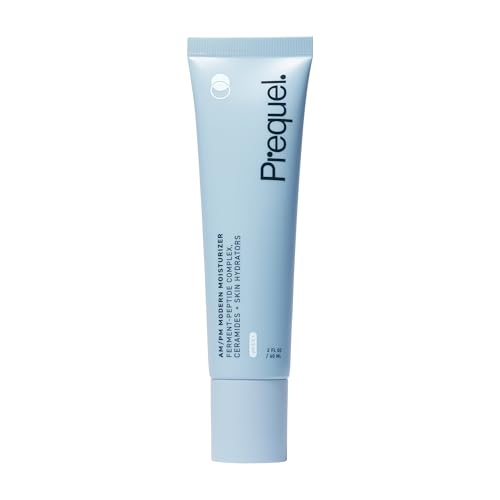
ESSENTIAL HYDRATION: Ferment-Peptide Complex supports microbiota balance and skin barrier strength, helping skin retain moisture, reduce the appearance of dryness, and improve resilience.

MULTI-PURPOSE AND VERSATILE SKIN CARE: Pure vegetable glycerin is an outstanding moisturizer and skin cleanser that also provides softening and lubricating benefits

Designed for Sensitive Skin: Vanicream is the #1 Dermatologist Recommended Brand for Sensitive Skin*. Carefully formulated to be non-comedogenic, this moisturizer helps support skin prone to sensitivity or eczema
Potential Side Effects and Precautions
Although glycerin is widely regarded as safe for topical use, careful attention must be paid to potential side effects and precautions to guarantee skin health is not compromised. Glycerin may cause irritation or allergic reactions in sensitive individuals, manifesting as redness, itching, or rash. Experts insist on performing a patch test before using glycerin-containing skincare products to identify adverse responses. High concentrations of undiluted glycerin, especially in low humidity, can ironically lead to dehydration by drawing moisture from deeper skin layers. Caution is advised when selecting products for oily skin, as glycerin may increase greasiness or promote breakouts. Dermatologists recommend consultation for personalized guidance, particularly for those with known sensitivities or persistent side effects. Prioritize formulations with balanced glycerin concentration to maintain moisturizing benefits while minimizing risks. Additionally, incorporating hypoallergenic formulations can help reduce the likelihood of irritation for sensitive skin types.
Recommended Products

100% VEGETABLE GLYCERIN - Our vegetable glycerin contains no additives, fillers, dilutants, or other ingredients. Proudly Made in USA. Quality assured. Not made from Palm oil; sourced from vegetable oils primarily from North American seed..
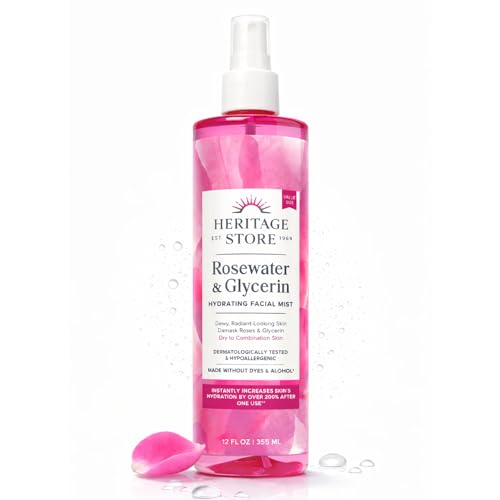
Glow to Go: Perfect for any skin care regimen, Heritage Store Rosewater & Glycerin hydrating face mist soothes and refreshes for smooth, radiant-looking skin and a beautiful glow.

DEEP, LONG-LASTING HYDRATION WITHOUT HEAVY FEEL: Formulated with 99.5% pure, vegetable-derived glycerin, this liquid moisturizer works as a powerful humectant that helps draw moisture to the skin and lock it in throughout the day. The lightweight, non-greasy texture leaves skin feeling smooth, soft, and comfortably hydrated without clogging pores or feeling sticky.
Incorporating Glycerin Into Your Skincare Routine
Effective incorporation of glycerin into a skincare routine hinges on proper application techniques and product selection tailored to individual skin types. Apply glycerin-based products on damp skin to maximize their humectant ability to attract and hold water, boosting hydration and reinforcing the skin barrier. Select formulations with glycerin, also labeled glycerol or glycerine, as an active ingredient to guarantee moisturizing benefits. Experts recommend lightweight glycerin products for oily or acne-prone skin and richer emollients for dry types to lock in moisture effectively. Introduce glycerin gradually, increasing frequency over several days to monitor tolerance and skin response. Pair glycerin with complementary hydrating agents like hyaluronic acid or rosewater to enhance overall hydration. Maintain consistency in the skincare routine to achieve and sustain the best hydration and skin barrier support. Choosing products with mild pH levels between 5.0 and 6.0 helps protect the skin’s natural acidity while using glycerin for optimal results.
Recommended Products

ULTRA HYDRATING SERUM: This rich, concentrated hydrating face serum combines 30% glycerin and polyglutamic acid to deliver deep, long-lasting moisture. It instantly quenches even the driest skin, leaving it plump, smooth, and hydrated all day.

[MOIRA BEAUTY] Straight forward products that eliminate the fuss. You are reaching for confidence and self-discovery to shape your destiny.

BARRIER BOOSTING: This hydrating serum features our barrier boosting Tri-Ceramide Complex (ceramides, cholesterol, fatty acids) combined with a powerhouse pairing of squalane & glycerin delivers a boost of instant hydration with long-lasting results
Glycerin in Professional Skincare Formulations
Glycerin, a highly effective humectant, is a fundamental ingredient in professional skincare formulations designed to optimize skin hydration and barrier function. Experts stress that glycerin reliably attracts and retains moisture, enhancing the skin’s suppleness and resilience. Incorporate glycerin at concentrations of 5-10% to maximize hydrating effects without irritation. Its presence improves penetration of other active ingredients, increasing overall efficacy. Formulators select sustainably sourced glycerin to minimize environmental impact, aligning with green chemistry principles. Its soothing properties support sensitive and compromised skin types, including eczema and psoriasis. Additionally, glycerin is non-comedogenic, ensuring hydration without pore blockage, suitable for oily and acne-prone skin. To optimize results, pair glycerin with occlusives and emollients. Avoid excessive use above 15%, as it may cause stickiness and potential irritation. Always prioritize glycerin in professional skincare for balanced moisture and skin health. Furthermore, combining glycerin with hyaluronic acid can significantly boost skin hydration and plumping effects.
Recommended Products

SUPER HYDRATION SERUM - Concentrated facial serum with 30% glycerin delivers intensive moisture saturation for a dewy, plump look while supporting smoother, hydrated skin and long lasting comfort
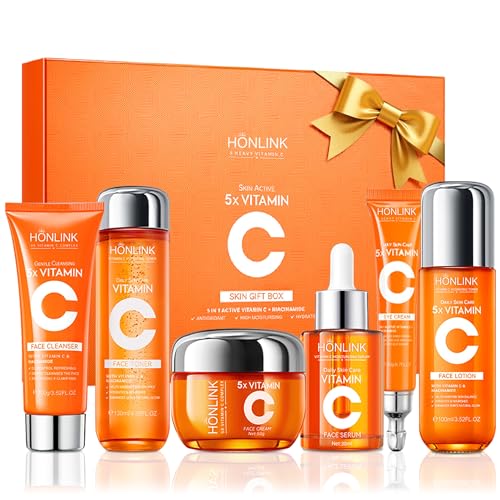
Multi-Ingredient Daily Skincare System : Featuring Vitamin C, Niacinamide, Collagen and Centella Asiatica, this thoughtfully designed skincare routine combines carefully selected ingredients across six essential daily care steps.

[Daily Korean Serum] Formulated with 3% Niacinamide and Arbutin to hydrate and balance skin, helping achieve a clear, refreshed look like washing with rice water, suitable for sensitive skin.
Frequently Asked Questions
Does Glycerin Help With Hydration?
Glycerin benefits hydration by enhancing skin absorption and moisture retention due to its natural humectant properties. In product formulations, ingredient synergy with glycerin sources strengthens the skin barrier, improving hydration levels in cosmetic applications.
What Is the Purpose of Glycerin in Moisturizer?
The purpose of glycerin in moisturizer is to leverage its natural humectant properties, enhancing hydration through improved skin absorption. Its inclusion guidelines emphasize glycerin benefits from various sources, optimizing product formulation and supporting consumer awareness in skincare applications.
Is Glycerin More Hydrating Than Hyaluronic Acid?
Glycerin vs hyaluronic acid reveals nuanced results: efficacy studies comparison highlights glycerin’s superior skin moisture retention and skin barrier function, while hydration science reviews value hyaluronic acid’s surface hydration. Dermatological recommendations emphasize product formulation insights for ideal natural humectant benefits.
Why Does Every Dermatologist Love Glycerin?
Every dermatologist loves glycerin for its moisture retention and skin barrier enhancement. Academic studies and patient experiences highlight glycerin benefits in topical applications. Its versatility in product formulations surpasses glycerin vs. oils, supporting skincare routines effectively.


