As an Amazon Associate, we earn from qualifying purchases. Some links on this site are affiliate links at no extra cost to you. Our recommendations are based on thorough research and editorial judgment.


The Truth About Natural vs. Synthetic Ingredients

Natural ingredients originate from plants or animals but vary widely in potency and safety, requiring strict dose control and testing. Synthetic compounds undergo standardized evaluation for toxicity, stability, and efficacy, often outperforming natural extracts in consistency and shelf life. Use 2–5% stabilized vitamin C and 3–10% niacinamide for ideal benefits, combining with purified botanicals for reproducible results. Prioritize ingredient safety by dose and toxicology rather than origin to guarantee effective skincare. Further details clarify these principles thoroughly.
Key Takeaways
- Natural ingredients can pose health risks and vary in potency due to environmental factors, challenging their safety and consistency.
- Synthetic ingredients undergo rigorous safety testing and standardized dosing to ensure consistent efficacy and minimized toxicity.
- The safety of skincare ingredients depends on dose and toxicology, not whether they are natural or synthetic.
- Combining natural and synthetic ingredients can optimize skincare effectiveness and reproducibility.
- Synthetic compounds like lab-engineered hyaluronic acid and stabilized vitamin C often outperform natural counterparts in stability and moisture retention.
Defining Natural and Synthetic Ingredients

You may be interested

A clear understanding of natural and synthetic ingredients begins with their precise definitions, which focus strictly on origin rather than safety or efficacy. Natural ingredients derive directly from plants, minerals, or animals with minimal alteration, whereas synthetic ingredients are chemically manufactured or lab-modified compounds. Experts advise reading the ingredient list carefully, recognizing that origin does not determine safety. Consider these key points:
- Evaluate ingredient safety based on dose, toxicology, and scientific data, not origin alone.
- Recognize that some natural ingredients, like arsenic or cyanide contaminants, pose health risks.
- Appreciate synthetic ingredients’ ability to provide consistent purity and stability.
- Decode complex chemical names; for example, tocopherol (Vitamin E) is beneficial despite its scientific label.
Additionally, many effective skincare treatments utilize active ingredients such as retinol, peptides, and hyaluronic acid, which can be either naturally derived or synthetically produced to optimize skin health.
Common Misconceptions About Natural Ingredients

Although natural ingredients are often presumed safe, experts emphasize this assumption is misleading and potentially hazardous. Not all natural ingredients are benign; some, like essential oils, can cause allergic reactions or even be toxic. Dermatologists advise caution: always perform patch tests before use. The term “natural” acts mostly as a marketing term and does not guarantee purity or safety, as these ingredients may contain impurities, including heavy metals. Variability in plant sources causes inconsistent potency and efficacy, complicating their use compared to synthetic skincare, which undergoes standardized testing for safety. Experts recommend analyzing ingredient labels carefully, considering individual skin type sensitivity, and consulting professionals before switching to all-natural products to avoid adverse effects and ascertain effective skincare results. Additionally, choosing products with certified organic ingredients can help ensure higher quality and safety standards.
Debunking Myths Surrounding Synthetic Ingredients

When evaluating synthetic ingredients in skincare, experts emphasize the importance of evidence-based assessment rather than dismissing these compounds due to their laboratory origins. Synthetic ingredients, such as lab-engineered hyaluronic acid, often outperform natural sources by offering superior moisture retention. Dermatologists assert, “Assess the chemical structure, not the source.” Note that synthetic ascorbic acid is chemically identical to natural Vitamin C, debunking assumptions of harm. Always recognize that synthetic preservatives like sorbic acid prevent microbial growth, ensuring product safety and shelf life. Experts advise: prioritize ingredient stability and penetration capability; synthetic compounds frequently outperform natural ones in consistency and efficacy. To evaluate skincare formulations, examine ingredient purity, regulatory compliance, and empirical safety data rather than relying on origin-based biases. This approach enhances scientific rigor in choosing effective, safe skincare solutions. Additionally, combining synthetic ingredients with hydrating and soothing agents, such as hyaluronic acid and niacinamide, can improve product tolerance and skin benefits.
The Importance of Dose and Toxicology in Safety
Since any substance can become harmful depending on the amount used, skincare formulators must rigorously evaluate dose and toxicology to confirm product safety. Experts emphasize that natural ingredients can cause adverse effects at high doses, while synthetic ingredients are often engineered for controlled safe use. Adhere to strict dose-response evaluations, measuring ingredient concentrations carefully to avoid toxicity. Monitor microbial contamination diligently, as it compromises product safety regardless of ingredient origin. For example, vitamin E is safe at concentrations below 1%, but higher amounts may irritate sensitive skin. Regulatory guidelines mandate detailed toxicological profiles, analyzing both acute and chronic exposure risks. Follow these steps precisely: validate ingredient purity, quantify dosage accurately, perform stability and safety tests, and implement microbial limits. Thorough toxicology confirms safe products by balancing efficacy with minimal adverse effects. Additionally, starting with lower concentrations, such as 0.1% in adapalene treatments, helps minimize irritation and ensures safety during use, especially for sensitive skin types application guidelines.
Stability and Consistency in Skincare Formulations
Because natural ingredients vary in potency due to climate, soil, and harvesting methods, formulators must address their inherent instability to secure consistent skincare performance. Experts emphasize that stability and consistency in natural and synthetic formulations are critical for product reliability. Synthetic formulations typically offer better control, securing precise dosages and prolonged shelf life by resisting microbial contamination. Conversely, natural ingredients often lack preservatives, risking degradation and variable outcomes. Dermatologist Dr. Lisa Chen advises, “Incorporate stabilizers and standardized extracts to minimize fluctuations in active compounds.” To enhance stability and consistency, skincare developers should:
- Utilize encapsulation technologies for natural ingredients
- Employ preservatives compatible with natural formulations
- Conduct rigorous stability testing on each batch
- Favor synthetic alternatives when consistent potency is essential
Such practices guarantee that products meet efficacy and safety standards without compromise. Additionally, packaging choices like UV-protected bottles help maintain the integrity of natural oils by preventing light damage.
The Role of Scientific Research and Regulation
Maintaining stability and consistency in skincare formulations demands rigorous scientific research and strict regulatory oversight to verify ingredient safety and efficacy. Experts emphasize that scientific research must evaluate both natural ingredients and synthetic ingredients through controlled studies and clinical trials, testing for safety, potency, and side effects. Regulatory oversight is imperative; synthetic ingredients often face more stringent FDA-guided protocols, ensuring purity and performance consistency. Meanwhile, natural ingredients require standardized testing to detect contaminants like heavy metals and pesticides, preventing consumer harm. Industry authorities caution against trusting ambiguous “natural” or “clean beauty” labels without verified safety data. Follow these guidelines: demand transparent ingredient sourcing, insist on third-party testing results, prioritize formulas with evidence-based efficacy, and adhere strictly to regulatory standards to maintain consumer trust and product integrity. Additionally, selecting products that are dermatologist-tested often ensures higher standards of safety and efficacy, reducing the risk of irritation and adverse reactions.
When Synthetic Ingredients Outperform Natural Alternatives
How do synthetic ingredients surpass natural alternatives in skincare efficacy and safety? Synthetic ingredients such as lab-engineered hyaluronic acid outperform natural hydrators by retaining moisture more effectively, essential in skincare formulations targeting hydration. Retinol, a synthetic vitamin A derivative, proves superior for anti-aging, reducing fine lines and improving texture beyond natural options like bakuchiol. Experts recommend prioritizing synthetic preservatives like parabens to enhance product safety by preventing microbial growth and extending shelf life. Additionally, synthetic compounds offer greater stability and skin penetration, ensuring consistent potency over time. Reliable results demand the use of well-formulated synthetics. To maximize benefits, select products with clinically tested synthetic ingredients, verify concentration levels (e.g., 0.3–1% retinol), and trust formulations designed for targeted treatment, which natural extracts frequently lack due to their variability and instability. Starting with lower concentrations and gradually increasing use frequency is advised to minimize irritation when using retinol, a step often incorporated into synthetic retinol regimens to improve tolerance and results through gradual introduction.
Recommended Products

TARGETS MULTIPLE SIGNS OF AGING: Visible Line Reduction, Firmness, Even Tone, Strengthening, Hydration, Radiance, Antioxidant Protection. Our #1 face serum visibly reduces multiple signs of aging for healthier-looking skin

Cell Service Growth Factor + Peptide Complex – Signals skin to boost natural collagen and speed cell renewal, visibly firming contours and smoothing fine lines.

Platinum peptide complex, Collagen peptide complex, Hexapeptide complex, and Hyaluronic acid - A powerful blend of anti-aging ingredients that work together to reduce wrinkles, improve elasticity, and even out skin tone. Advanced Anti-Aging Complex for Visibly Youthful Skin Formulated with platinum peptides, collagen peptides, and hexapeptides, this luxury serum reduces fine lines, improves elasticity, and evens skin tone for a firmer, more sculpted look.
Variability and Risks Associated With Botanical Extracts
Botanical extracts exhibit significant variability in their potency and safety, influenced by factors such as climate conditions, geographic location, and harvest timing. This variability affects the concentration of active compounds, causing inconsistent efficacy in skincare products. Experts emphasize rigorous testing of botanical extracts for purity and potency before formulation. Avoid using extracts without verified heavy metal and pesticide screening, as these contaminants pose serious safety risks. Additionally, natural products lacking preservatives demand strict storage conditions to prevent microbial growth, which compromises product safety. Manufacturers must implement standardized extraction protocols to guarantee consistent concentrations of active compounds. Regulatory oversight remains limited, increasing variability and safety concerns in botanical extracts. Follow established quality control measures, including batch testing and contaminant analysis, to mitigate variability and protect consumer health. Incorporating calming ingredients known to soothe skin, such as licorice extract and oat kernel extract, can help minimize irritation associated with botanical variability.
Recommended Products

PROPRIETARY INFUSION PROCESS: Ensures the maximum amount of Blushwood Berry EBC-46 (Hylandia Dockrillii tigilanol tiglate) extract for the highest potency immune, inflammation, and cell-supporting health benefits. Our Blushwood Berry is 100% raw and sun-dried. All Aussie Pure tinctures are in a pleasant-tasting and sustainable non-GMO plant glycerin base and contain no alcohol.

HYDRATING FACE SERUM: This is one of the most suitable facial skin care products you can have to treat contour around the eyes, face, and neck area by hydrating them in the right and appropriate way. We’ve specially designed wilma schumann european skin care face serum for women and face serum for men with botanical formulations.

Complete 4-in-1 care set: Includes two gentle foaming cleansers, a lightweight scalp tonic, and a refreshing leave-on spray designed to support a cleaner, fresher daily skin and scalp routine.
Combining Natural and Synthetic for Optimal Results
Variability in natural botanical extracts underscores the necessity of incorporating synthetic ingredients to achieve reproducible skincare outcomes. Experts assert that combining natural ingredients are always beneficial when paired with synthetic ingredients like stabilized vitamin C and niacinamide, which offer enhanced stability and greater bioavailability. To formulate personal care products targeting multiple skin concerns, rigorous scientific testing and transparent sourcing must guide ingredient selection. Follow these directives for ideal results:
- Use synthetic ingredients at concentrations of 2-5% for vitamin C derivatives and 3-10% niacinamide, complementing 1-3% botanical extracts.
- Prioritize formulations with verified potency and consistent purity.
- Verify third-party testing validates product stability and safety.
This blended approach balances efficacy and consistency, enabling superior, personalized skincare outcomes beyond marketing-driven choices. Additionally, selecting products free from parabens, sulfates, and synthetic fragrances can significantly reduce the risk of irritation and enhance formulation purity, as seen in effective serums like those with pharmaceutical-grade salicylic acid.
Recommended Products

Supercharge Your Glow: Harnessing the power of L-ascorbic acid, the industry's gold standard of vitamin C our highest concentrated serum helps brighten skin tone, reduce signs of past skin damage and minimize the appearance of fine lines & wrinkles
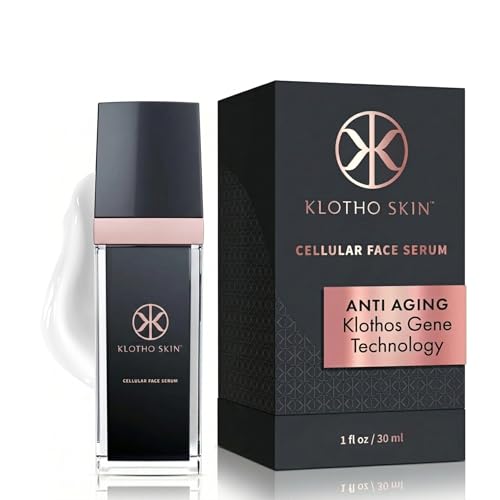
TARGETED FACE SERUM FOR VISIBLE AGING – This anti aging face serum helps improve the appearance of fine lines, wrinkles, elasticity, and texture. Designed for daily use as a concentrated anti aging serum for women and men.

ADVANCED AGE-DEFYING SERUM FOR RADIANT SKIN: A high-performance treatment serum designed to visibly smooth fine lines, improve the look of wrinkles, and brighten the complexion. This lightweight face serum supports healthy-looking skin while helping defend against daily environmental stressors.
Understanding Ingredient Names and Their Safety Profiles
When evaluating skincare formulations, recognize that chemical names in ingredient lists often denote beneficial compounds, such as tocopherol (Vitamin E) and ascorbic acid (Vitamin C), irrespective of their natural or synthetic origin. Experts emphasize that complex chemical names do not imply unsafe ingredients; instead, assess safety by reviewing toxicology data, dosage, and product formulation. Regulatory agencies mandate rigorous testing for synthetic chemicals to guarantee they are safe for skin contact. Natural substances can vary in purity and concentration, impacting their safety and effectiveness. Follow these guidelines:
- Verify ingredient approval by regulatory agencies.
- Assess ingredient concentration within recommended limits.
- Avoid assumptions based on chemical name complexity.
In particular, skincare products formulated with niacinamide concentrations between 2-5% have been shown to effectively enhance skin clarity and reduce pores without irritation.
Recommended Products

Complete Glow Ritual for Radiant Skin: Elevate your skincare with the LúmEnvy Bundle—an advanced 3-in-1 system designed to maintain brilliance between treatments or as a luxurious daily self-care ritual.

The Brightening Mask - Our Derm Revival facial masks help to achieve more even-looking skin and diminishes the look of discoloration and sun spots from your skin barrier's surface.

【MOISTURIZING OIL CLEANSER】Completely removes makeup, dirt, oil, and impurities; this gentle but effective 2 in 1 formula transforms from an oil to a foam, leaving your skin perfectly cleansed and prepared for the next steps.
Historical Perspectives on Chemical Safety in Skincare
How has chemical safety understanding evolved in skincare? Historical perspectives emphasize Paracelsus’s principle: “All things are poison; only the dose makes it not a poison.” This foundational idea clarifies that both natural vs synthetic ingredients require safety assessment based on exposure levels, not origin. Experts mandate rigorous toxicology testing for long-term effects, reflecting lessons from past failures. Chemical safety today prioritizes quantifiable exposure limits, clear labeling, and thorough ingredient analysis to protect consumers. Follow these essential steps:
- Evaluate ingredient doses precisely, under 0.01% for known irritants.
- Refer to safety databases covering natural and synthetic compounds.
- Implement standardized risk assessment protocols per regulatory guidelines.
Ultimately, historical insight reveals that neither natural nor synthetic substances are inherently safe; strict evaluation maintains product safety through science-based regulation.
Frequently Asked Questions
What Are the Three Ingredients to Avoid in Food?
The three ingredients to avoid in food are artificial sweeteners, harmful preservatives, and food dyes. These components often contribute to negative health effects, while unhealthy fats further exacerbate risks such as heart disease and metabolic disorders.
Is Natural Always Better Than Synthetic?
Natural product efficacy varies, sometimes causing irritation; synthetic ingredient safety often guarantees consistency and purity. Health benefits comparison reveals neither is inherently superior, prompting a consumer perception shift toward science-based evaluation rather than origin bias.
Do Dermatologists Recommend Natural Products?
Dermatologist opinions vary, but many recommend natural products when backed by safety evaluations and reliable ingredient sourcing. Natural product effectiveness is considered alongside synthetic options, emphasizing balanced formulations rather than exclusive use of either ingredient type.
What Is the 1% Rule in Skincare?
The 1% rule in skincare acts as a beacon, guiding ingredient concentration for skincare effectiveness. It suggests that a product needs at least 1% active content, though product formulation ultimately shapes overall results.


